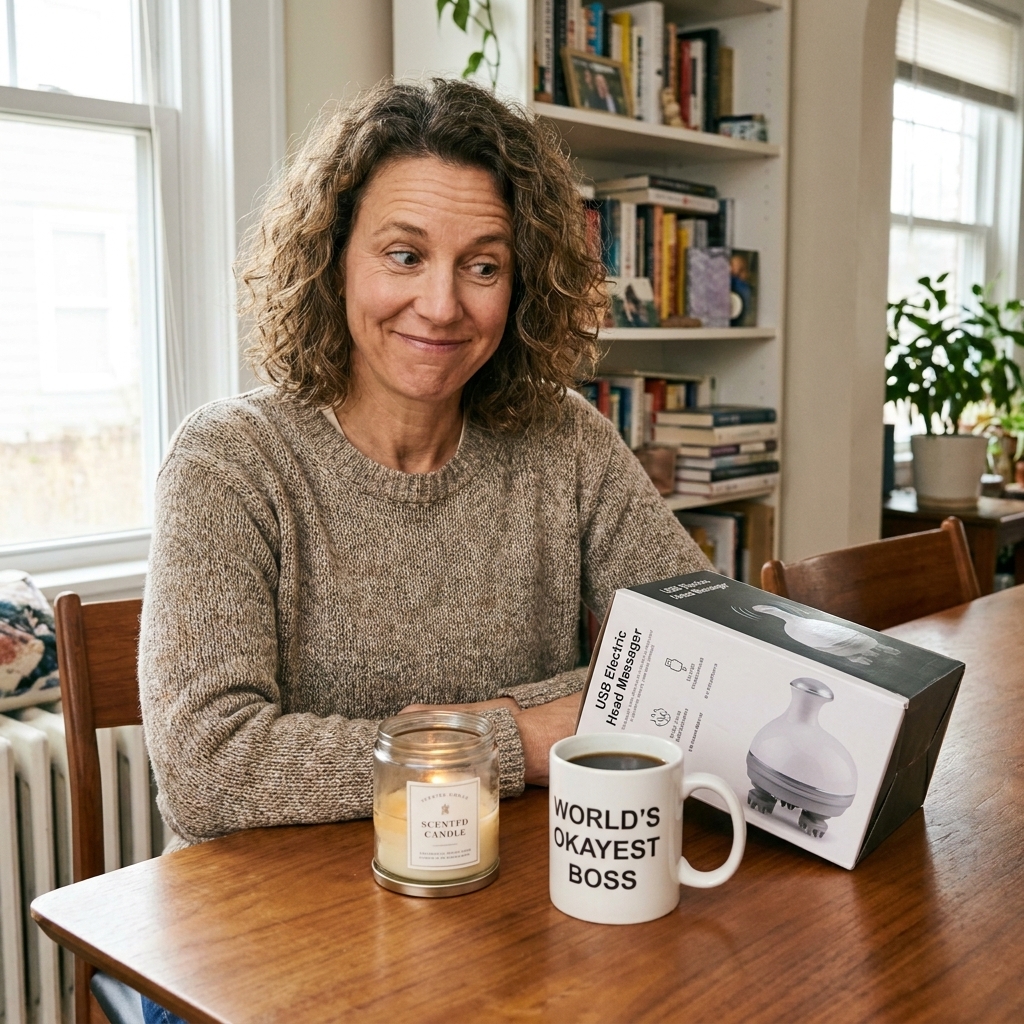
If you have ever stood in your hallway holding a random object (a tangled phone charger, a “maybe” sweater, a kitchen gadget you swear you used once) and thought, What am I even supposed to do with this? you are my people.
I am a reformed messy person, which means I have made every mistake possible: saving “good” things for a fantasy donation trip, listing low-value items online and burning an entire weekend, and keeping broken stuff because I felt guilty throwing it away. This guide is the system I wish I had earlier: a quick decision tree that helps you move clutter out ethically and efficiently, without turning your home into a long-term sorting center.
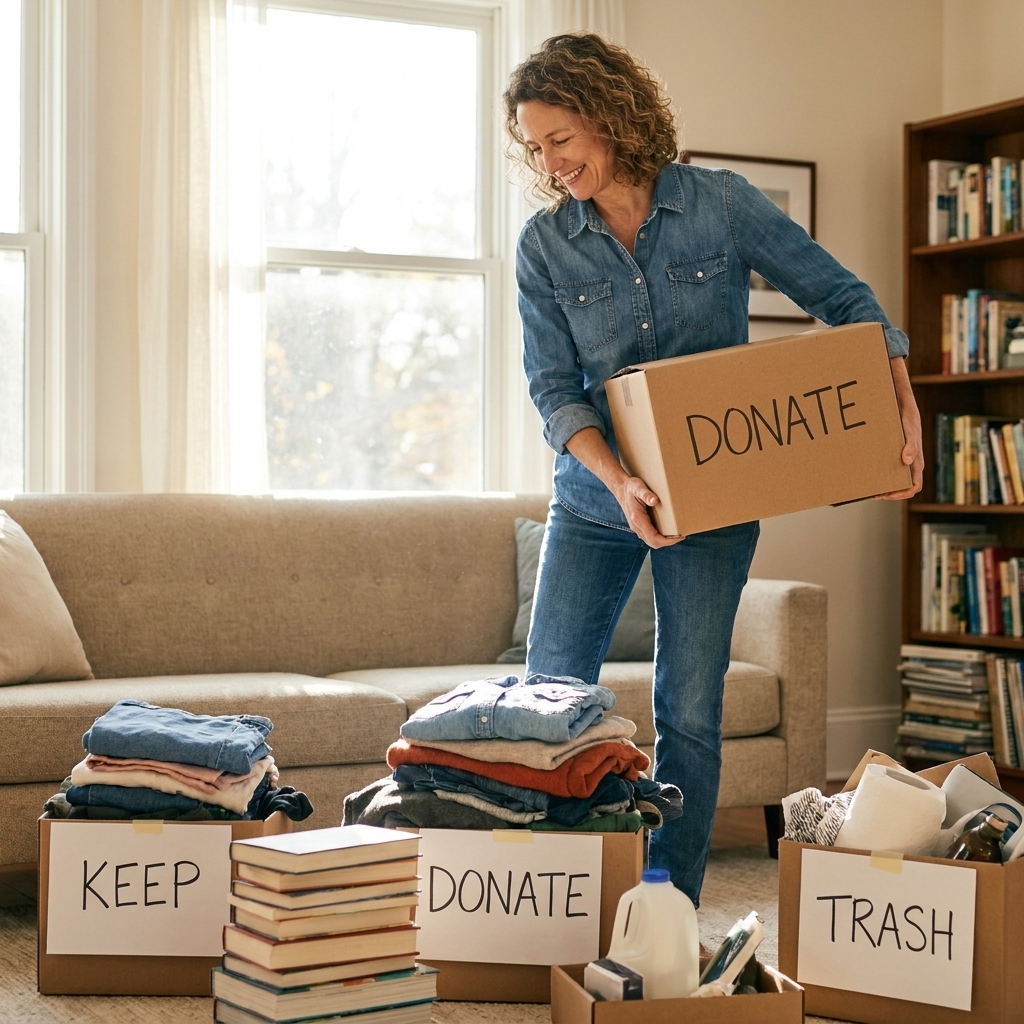
The decluttering decision tree (use this every time)
Run each item through these questions in order. Do not skip ahead. The whole point is to stop negotiating with clutter.
1) Is it trash right now?
If it is moldy, pest-infested, wet-damaged, mildewed, visibly soiled, or has bodily fluid contamination, it is trash. Same goes for items with a strong odor that does not wash out. Most donation centers cannot safely process those items, and passing them along just pushes the problem onto someone else.
- Yes: Trash it (or dispose as hazardous waste if needed).
- No: Keep going.
2) Is it recalled or unsafe?
Check quickly for recalls if it is a baby item, space heater, dehumidifier, toy, crib mattress, or anything electrical that runs hot.
- Yes: Follow recall instructions (refund, repair, disposal). Do not donate recalled items.
- No: Keep going.
3) Does it work as intended and have all the essential parts?
This is the biggest fork in the road. “Almost works” is not a category your home needs.
- No: Decide between recycling, specialty donation, or trash (more on that below).
- Yes: Keep going.
4) Is it clean enough that you would feel good giving it to a friend today?
You do not have to deep-clean everything like you are staging a house, but basic respect matters.
- No: Either clean it now (set a 10-minute timer) or trash it if cleaning is unrealistic.
- Yes: Keep going.
5) Is it worth selling?
I use a simple rule: If it will net you at least $20 (or it is a single big-ticket item), selling can be worth it. If it is going to net $5, donate it and buy back your time. Adjust the number to your life and bandwidth. $20 is just my default threshold for “worth the hassle.”
- Yes: Sell.
- No: Donate, recycle, or trash depending on the material and condition.
6) Do you have a deadline for it leaving your house?
This is how you avoid the dreaded “donation pile that becomes furniture.”
- Need it gone in 24 to 72 hours: Donate locally, schedule a pickup, or use a neighborhood giveaway.
- You can wait up to 2 weeks: Sell, but only with a firm end date.
Quick pick: Sell vs donate (my sanity-first rules)
If you are stuck, use these shortcuts. They are not perfect, but they are realistic.
Sell it if…
- It is in-demand and easy to verify (brand-name clothing, popular toys, current electronics, small furniture).
- You can photograph it in 2 minutes and describe it in 2 sentences.
- You can store it neatly in a single “for sale” bin or one shelf, not scattered around the house.
- You can ship it or arrange pickup without a bunch of back-and-forth messages.
Donate it if…
- It is usable, clean, and common (dishes, basic clothing, books, linens, home decor).
- You are tempted to “price check” it for an hour. That is usually a donate sign.
- You need quick momentum and fewer decisions.
- You want the item to help someone locally more than you want maximum dollars.
Trash (or recycle) it if…
- It is broken, unsafe, missing crucial parts, or too worn to be useful.
- It would put the burden of disposal onto a donation center or the next person.
- You have been keeping it out of guilt for more than a month.
Best apps and platforms for reselling (what to use and when)
Here is the good news: you do not need to list everywhere. Choose the platform that matches the item and your energy level.
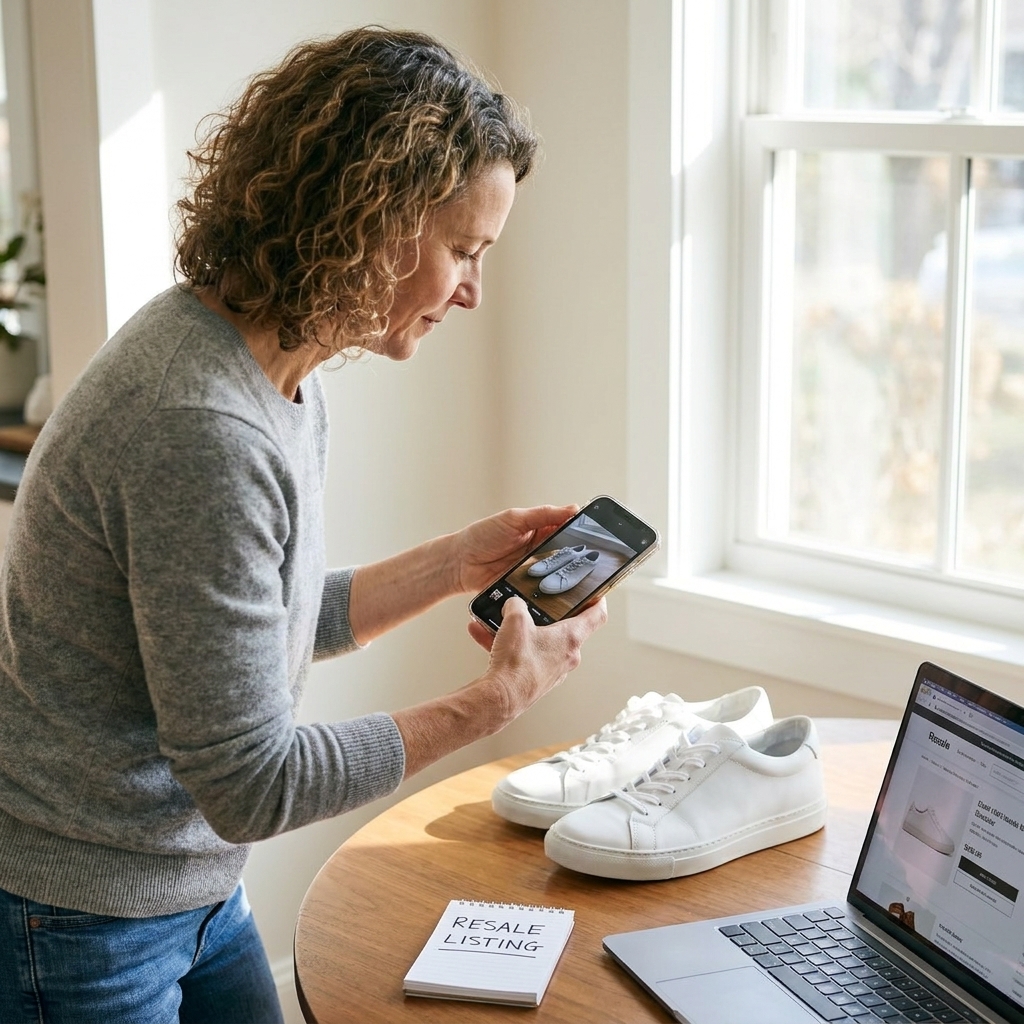
Facebook Marketplace (best for local, bulky items)
- Great for: Furniture, kids gear, exercise equipment, home goods, tools.
- Why it works: Local pickup means no shipping and fast turnover.
- My tip: Use porch pickup when possible. If porch pickup is not an option, meet in a public place (and bring a friend for bigger items). Accept cashless payments you trust.
OfferUp (best for local variety in many cities)
- Great for: Furniture, decor, small appliances, electronics.
- My tip: Keep listings short, set a firm pickup window, and do not hold items for days unless you choose to.
Poshmark (best for clothing and accessories, shipping-based)
- Great for: Mid-range to brand-name clothing, shoes, bags.
- Good to know: You ship, and platform fees apply. Budget time for packing.
- My tip: Batch list 10 items at once. Single-item listing is where motivation goes to die.
eBay (best for niche items and collectibles)
- Great for: Collectibles, specialty tools, older electronics, parts, hobby gear.
- My tip: Check sold listings before you list so you do not overprice and sit on it forever.
Mercari (best for lightweight household items)
- Great for: Small home goods, toys, clothing bundles.
- My tip: Use bundles to move more at once and reduce shipping headaches.
ThredUp and buy/sell stores (best for “I want it gone”)
- Great for: Everyday clothing where convenience matters more than profit.
- Reality check: Payouts can be modest, but it is a very efficient exit route.
Consignment (best for higher-end items)
- Great for: Designer pieces, nicer furniture, decor.
- My tip: Ask about timelines, fees, markdown schedules, and what happens to unsold items.
My two-week selling rule
If an item does not sell in 14 days, I drop the price once. If it still does not move, I donate it. This is how selling stays a decluttering tool instead of a clutter delay tactic.
Donation done right (what most places actually accept)
Donating is wonderful, but donation centers are not repair shops. The fastest way to declutter ethically is to donate items that are truly ready for a second life.
Generally safe bets
- Clean clothing with no holes, heavy pilling, set-in stains, or broken zippers
- Pairs of shoes that are wearable and not falling apart
- Working small appliances with cords intact
- Dishes and glassware without chips
- Books in decent condition (no mold, no heavy odor)
- Linens that are clean and not threadbare
What not to donate (common myth items)
- Used underwear and worn-out socks
- Open personal care items (lotions, makeup, toiletries)
- Used bed pillows and heavily used mattress toppers (many places cannot take them)
- Anything moldy, smoky, mildewed, or pest-infested
- Broken items, missing cords, or “it probably works” electronics
Items that are often restricted (call first)
- Car seats: Many places do not accept them due to expiration dates and unknown safety history.
- Cribs and some baby gear: Safety standards change. Many centers limit what they take.
- Mattresses and bed pillows: Often not accepted for hygiene reasons.
- Open personal care items: Usually not accepted.
- Large furniture: Some stores accept only certain pieces based on space and condition.
Where to donate besides the usual thrift store
- Women’s shelters and family shelters: Often need towels, bedding, basic clothing, kitchen items.
- Refugee resettlement and community support groups: Household basics can be life-changing.
- Schools and daycare centers: Art supplies, books, storage bins, kid-friendly furniture.
- Animal shelters: Towels and blankets are commonly needed (must be clean).
- Libraries: Some accept book donations or have specific sale programs.
- Habitat for Humanity ReStore: Great for building materials, fixtures, cabinets, usable hardware.
My “bag it and go” donation system
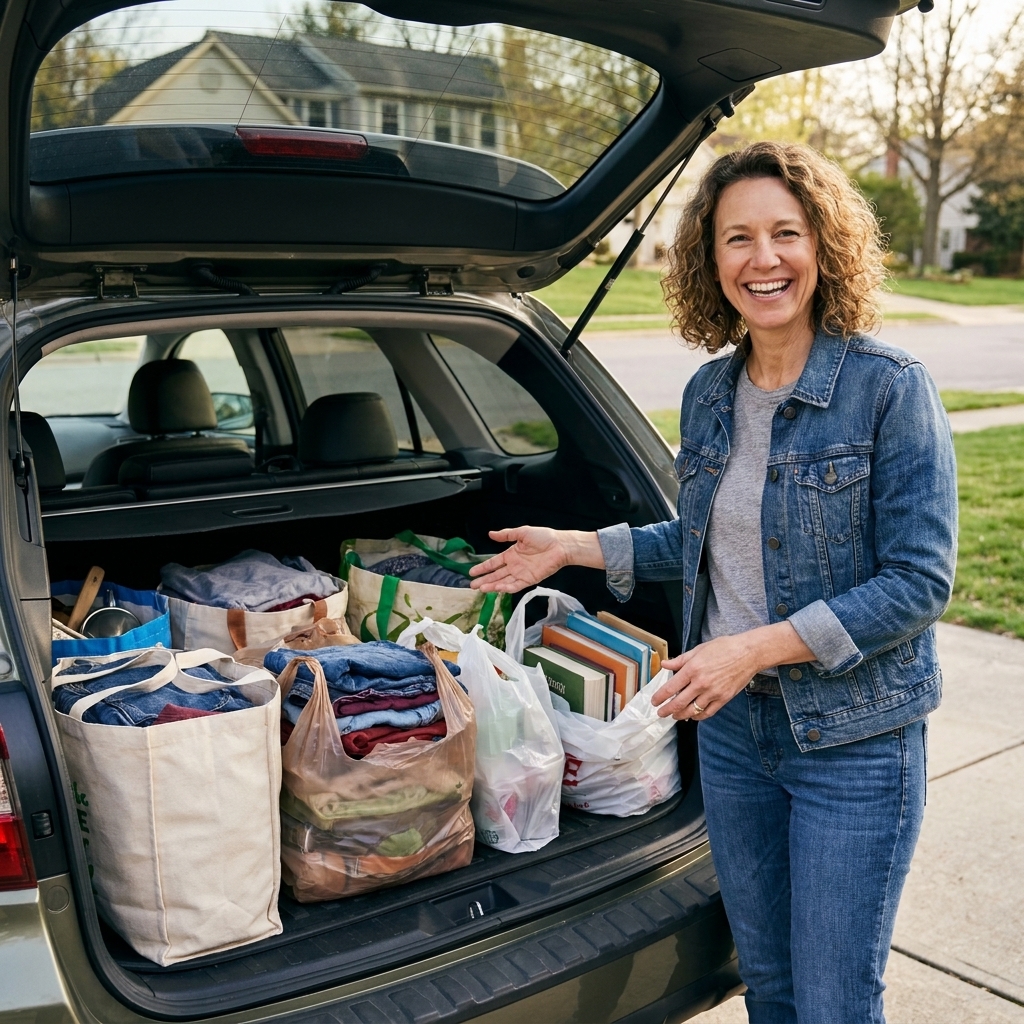
Keep one sturdy bag or bin labeled DONATE in a spot you can reach. When it is full, it goes to the car. When you run errands, you drop it off. You do not need a full-day donation mission to be a person who donates.
Recycle or trash? Real-world recycling rules (without the wish-cycling)
Most of us want recycling to be the guilt-free answer. I get it. But wish-cycling is when we put non-recyclable things in the bin hoping it works out. It often contaminates loads and can send more to the landfill.
Before you recycle anything, do these three checks
- Check your local program: Rules vary by city and hauler. When in doubt, follow your local guidelines over generic advice.
- Clean and dry: Food residue and grease are common deal-breakers.
- Loose vs bagged: Most curbside single-stream programs want items loose in the cart, not bagged. Some drop-off or multi-stream programs differ, so check your hauler.
Common household items and what to do with them
Cardboard and paper
- Recycle: Clean cardboard, paper, mail, cereal boxes.
- Trash (in many programs): Greasy pizza boxes (unless the clean top separates), paper towels, napkins, oily paper.
Plastic containers
- Recycle (often): Rigid bottles, jugs, tubs if your local program accepts them and they are rinsed.
- Trash (often): Plastic film, cling wrap, chip bags, and many flexible plastics unless you use a store drop-off program.
Plastic bags and film
- Best option: Store drop-off recycling where available.
- If no drop-off: Trash. Loose film in curbside recycling is a common contamination issue.
Glass
- Recycle (often): Bottles and jars, rinsed.
- Trash (often): Broken glass, drinking glasses, ceramics, Pyrex-style cookware in many programs, unless your local drop-off specifically accepts them. These can be different materials than bottles and jars.
Metal
- Recycle (often): Aluminum cans, steel food cans, clean foil if accepted locally.
- Trash: Anything with heavy food residue you cannot reasonably clean.
Textiles
- Donate: Wearable clothing and shoes.
- Textile recycling: Ripped or stained fabric may be accepted by textile recyclers or drop boxes in some areas.
- Trash: Moldy textiles or anything contaminated.
Electronics (e-waste)
- Do not curbside recycle: Electronics typically require special handling.
- Use: Local e-waste events, retailer take-back programs, or municipal drop-offs.
- Data tip: Wipe devices before you drop them off when possible.
Batteries
- Do not trash loose lithium batteries: They can be a fire risk.
- Use: Battery recycling drop-offs or household hazardous waste programs.
Paint, chemicals, propane, and hazardous items
- Use: Household hazardous waste facilities or scheduled collection events.
- Do not: Pour down drains or toss into regular trash unless your local program explicitly allows it.
Medications and sharps
- Medications: Use a drug take-back kiosk or event when possible. Many pharmacies and some police stations offer drop boxes, and your local health department usually lists options.
- Sharps (needles, lancets): Use an approved sharps container and follow your local disposal rules. Do not toss loose needles into the trash or recycling.
When you are truly unsure: If your local recycling guide does not list it, it is often safer to trash it than contaminate recycling.
What to do with “in-between” items (the ones that stall you)
These are the items that love to linger in a doom pile: not exactly trash, not exactly donation-ready, not exactly worth selling.
Broken but possibly fixable
- If you will fix it this week: Put it in one small “REPAIR” bin with a date on your calendar.
- If you will not: Recycle or trash it. Keeping it is just outsourcing the decision to Future You.
Missing pieces
- Try a 5-minute search for the missing part.
- If it does not show up, decide: can it be donated as-is honestly (some craft supplies and toys can), or is it trash?
Sentimental clutter
- Keep a small memory box per person, not a memory closet.
- Photograph items you do not have space for but want to remember.
- If you keep it, store it like you mean it: contained, labeled, protected.
Duplicates
Duplicates are sneaky. If you own three spatulas, you probably have a favorite. Keep the favorite, donate the others. Your drawer will immediately feel calmer.
Fast lanes: when you want clutter gone today
Sometimes you do not need the perfect ethical answer, you need your floor back.
The 30-minute “exit strategy”
- Grab three bags: SELL, DONATE, TRASH.
- Set a timer for 30 minutes.
- Work in one small area only (one shelf, one drawer, one corner).
- Trash goes out immediately.
- Donation bag goes to the car immediately.
- Sell bag goes to one contained spot with a two-week deadline.
Neighborhood giveaway (great for awkward items)
For items that are usable but not worth the effort to sell, a local buy-nothing group or neighborhood page can be amazing. I like posting as a “porch pickup” bundle to reduce messaging and keep it moving.
Mini decision cheat sheet (save this)
- Clean + working + worth $20+ (or big-ticket): Sell.
- Clean + working + common item: Donate.
- Dirty, unsafe, or contaminated: Trash.
- Broken electronics, batteries, chemicals, meds, sharps: Specialty disposal or e-waste.
- Unsure and not listed by your local recycler: Trash to avoid contamination.
- Stuck in your house for 30+ days: Choose the fastest responsible exit route and move on.
FAQ
Should I donate things that are worn but still usable?
If it is genuinely wearable and clean, yes. If it is heavily stained, stretched out, or has broken components, it is kinder to trash or textile-recycle it (if available) than to push the burden onto a donation center.
Is it better to donate or recycle?
When an item is truly reusable, clean, and likely to be wanted locally, donation and reuse usually wins because it keeps the item in use without the processing required for recycling. If it is not usable or cannot be accepted, recycling is next best.
What if I feel guilty throwing things away?
Guilt is a normal response, but it does not make an item more usable. I remind myself: the landfill is not created by me making today’s decision. The landfill happened when the item entered my home and stopped being used. My job now is to handle it responsibly and make better buying choices going forward.
How many things should I try to sell at once?
Only what you can contain. I like one bin, one shelf, or one corner. If your selling pile spreads, it turns into a second clutter problem.
Should I get a donation receipt for taxes?
If you plan to claim donations, ask for a receipt at drop-off and keep a simple list of what you gave. The value rules vary by country and tax situation, so if you are not sure, this is a good “quick ask” for your tax professional.
What is the best way to avoid re-cluttering after decluttering?
Create an “outgoing” station (donation bag, recycling bin, trash can), and do a quick weekly reset. The decision tree gets faster the more you practice it, and your home starts to feel like it has an easy exit route for stuff.