If you have ever carried a box of family memories up to the attic and thought, “I hope this survives,” you are not alone. Attics are convenient, but they are also tough environments for anything sentimental: extreme heat and cold, humidity swings, dust, and curious pests.
The goal is not picture-perfect storage. It is keeping your memories intact and easy to find later. Below is the real-life, doable way to store keepsakes safely, even if your attic is the only extra space you have.
First, decide what belongs in an attic
I love an attic for overflow storage, but I do not love it for everything. Before you pack a single bin, sort keepsakes into two categories: attic-safe and climate-sensitive.
Generally attic-safe (with good packing)
- Kids’ artwork that is already digitized
- Holiday decor and seasonal keepsakes
- Some textiles (only if fully clean, dry, and pest-protected)
- Non-valuable memorabilia (ticket stubs, programs) stored inside sealed containers
Better kept inside the living space
- Original photographs, negatives, slides, home movies, and important documents
- Anything irreplaceable or high value (jewelry, medals, fine art)
- Wax candles, vinyl records, delicate plastics, or anything that can melt or warp
- Leather goods, fur, feathers, or items that attract pests
- Anything with sentimental value so intense you would be crushed if it was damaged
If you keep only one rule from this article, make it this: the more irreplaceable it is, the closer to your everyday climate control it should live.
And one more honest note: sealed bins help with dust, pests, and moisture swings, but they do not stop heat. If your attic bakes in summer, anything truly precious is still better off indoors.
What you are up against: heat, moisture, pests
Attics can hit very high temperatures in summer and drop cold in winter. Those swings speed up yellowing, cracking, adhesive failure, mold risk, and warping.
- Heat can soften glues, warp plastics, and fade inks and fabrics.
- Moisture swings can cause mildew, mold, rust, and paper rippling.
- Pests love cardboard, fabric, and quiet corners.
Your job is to create a mini protective environment inside each container: stable, sealed, cushioned, and clearly labeled.
Choose the right containers
I know cardboard boxes are free and easy. I used them for years. Then I opened one to find soft, sagging corners and that faint “old attic” smell on baby clothes. Never again.
To be fair, archival, acid-free cardboard boxes can be great in climate-controlled spaces. In a hot, humid attic, standard cardboard is simply risky.
Best container choices for attics
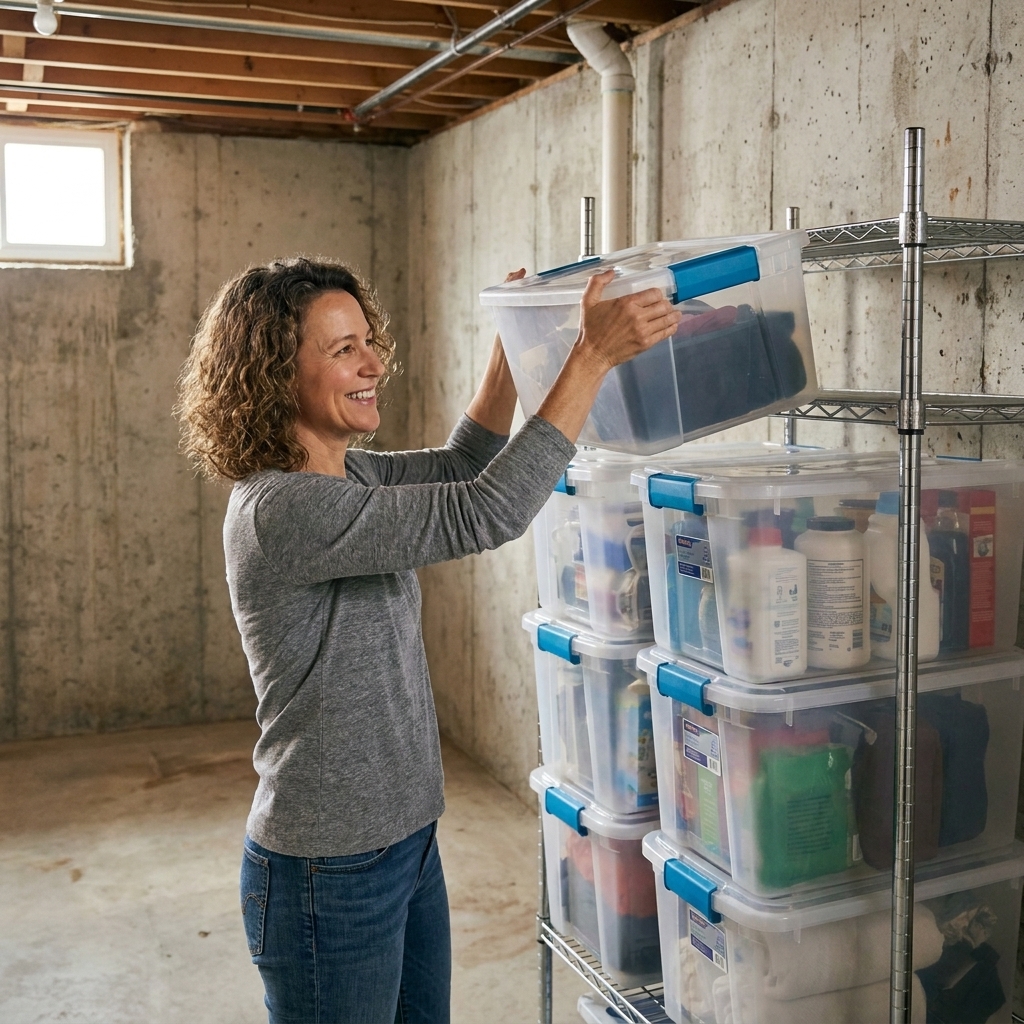
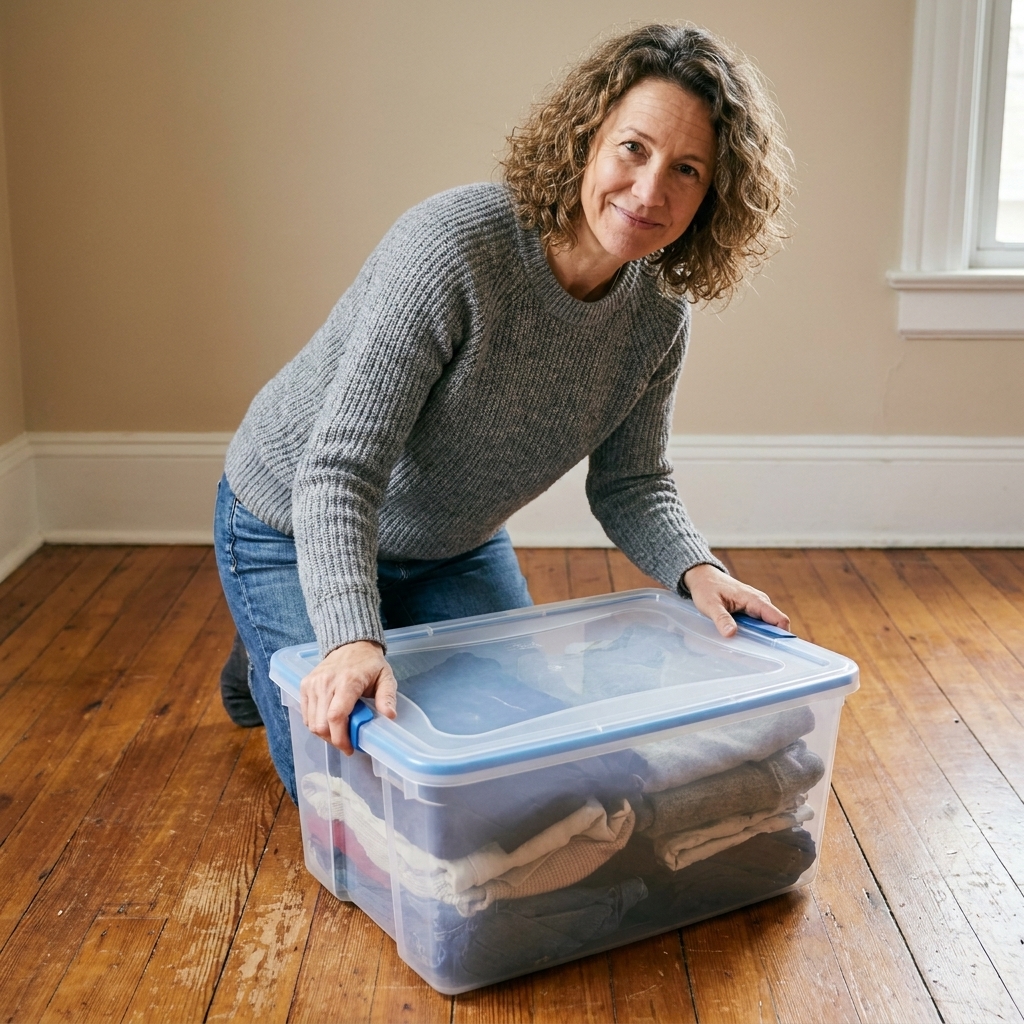
- Heavy-duty plastic totes with a gasket lid (the kind with a rubber seal). These help block humidity and pests.
- Clear bins if you want quick visual ID, but only if they are sturdy and seal well.
- Contractor-style bins for items that need extra protection from crushing.
What to avoid
- Standard cardboard (absorbs moisture, attracts pests, can collapse over time)
- Many low-cost, thin totes (more likely to crack in cold and bow under weight)
- Trash bags (often trap moisture and can lead to mildew, plus they tear easily)
Pack keepsakes for the long haul
This is the part where a little extra effort pays off massively later.
Use the right packing materials
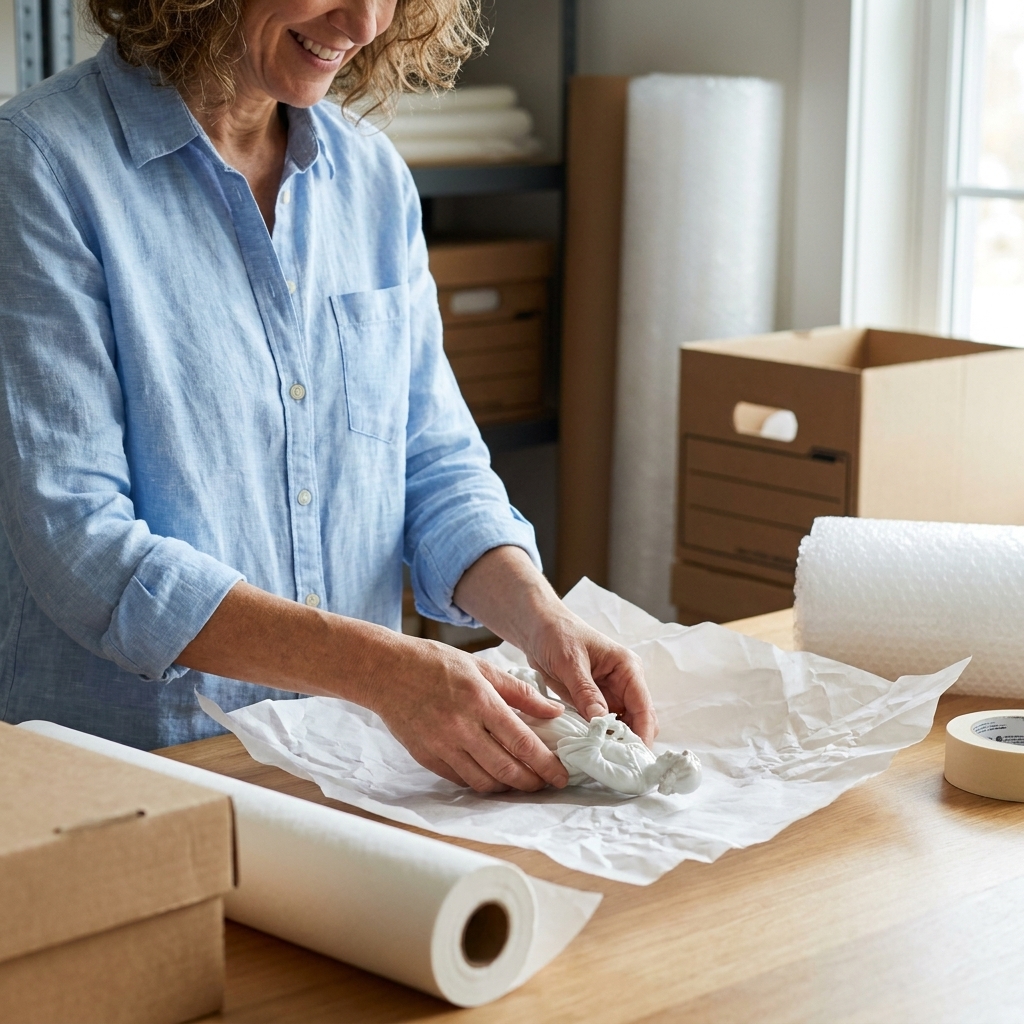
- Acid-free tissue paper for paper items, textiles, and delicate decor
- Unbuffered acid-free tissue for protein-based textiles like silk or wool
- Polypropylene or polyethylene sleeves for papers (avoid PVC)
- Bubble wrap for hard, non-porous decor, but keep it away from delicate paper surfaces and finishes
Avoid these common oops materials
- Newspaper (ink transfers and can stain)
- Regular tissue paper (can yellow and transfer color)
- Rubber bands (they degrade and stick)
- Pressure-sensitive tape on originals (adhesive fails and stains)
Golden rule: keep items clean and fully dry
Never store something you just pulled out of a damp basement or that still smells like smoke, perfume, or food. Clean gently, let it dry thoroughly, and then pack. Trapping moisture inside a sealed bin is how mold becomes a surprise.
How to store common keepsakes
Childhood artwork and school papers
If you have a mountain of art, you do not need to store every single macaroni masterpiece. Pick your favorites and store the rest digitally.
- Photograph or scan the pile first.
- Store originals flat when possible, inside acid-free folders.
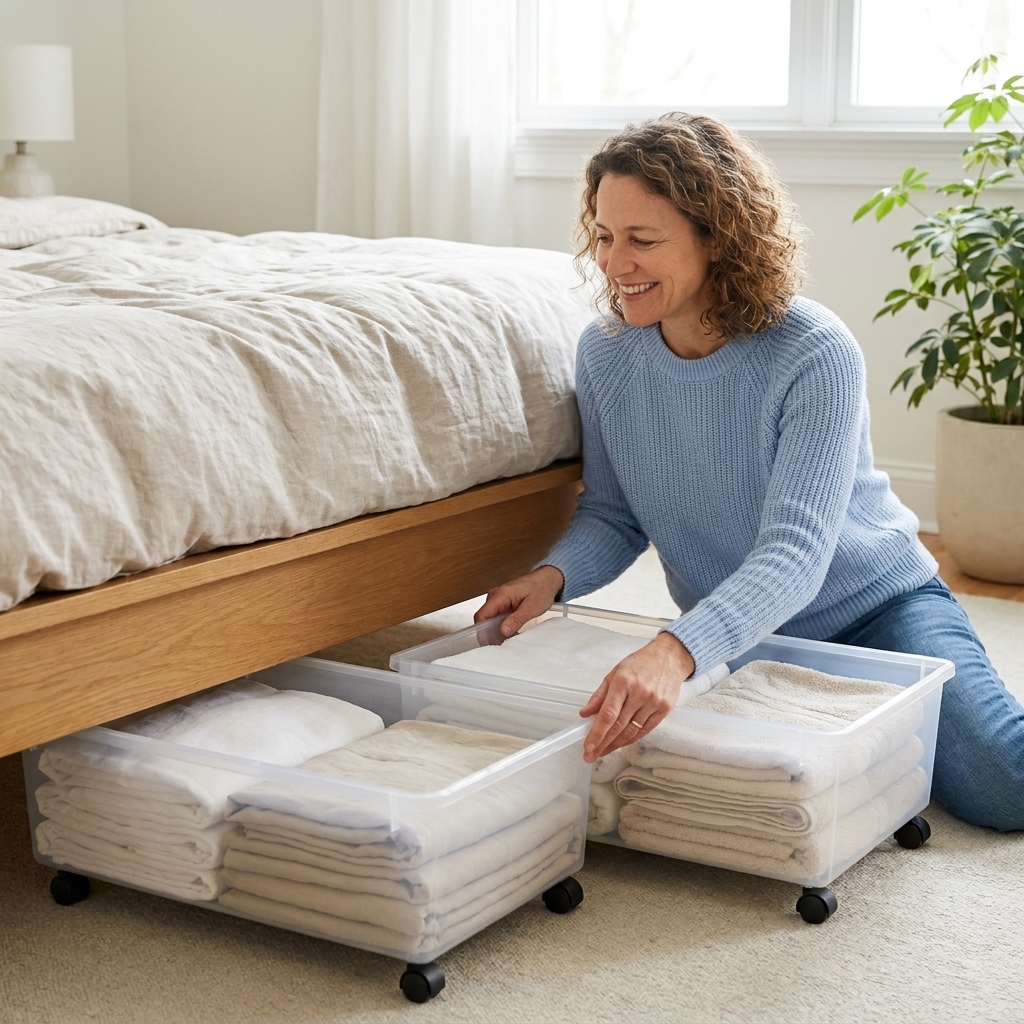
- Use an artist portfolio case or a flat plastic under-bed style container if it fits your attic access.
- Do not roll crayons, marker drawings, or anything with glued-on elements if you can avoid it.
- Skip laminating originals you want to keep long-term. Lamination can trap moisture and the plastics and adhesives can degrade.
Photographs, negatives, and slides
Honest take: the attic is not ideal. If you must use it temporarily:
- Put photos in acid-free photo boxes or archival albums.
- Place those boxes inside a gasket-lid tote.
- Add a small silica gel pack plus a humidity indicator card if you want an easy visual check.
- Keep the tote toward the center of the attic, not against exterior walls or near roof vents.
Best solution is to keep originals inside the house and store duplicates or digitized copies in the attic.
Textiles (baby clothes, quilts, wedding dresses)
- Wash or professionally clean first, then store only when fully dry.
- Wrap in acid-free tissue and avoid tight plastic compression.
- Use a breathable textile storage bag inside a sealed bin if pests are a concern.
- Never store in vacuum bags long-term for delicate vintage fabrics. Compression can permanently crease fibers.
Ornaments and fragile decor
- Use divided ornament cases or add dividers inside a sturdy tote.
- Wrap each piece individually. The goal is no clinking.
- Fill empty space so items cannot shift.
Books, letters, and journals
- Store upright like on a shelf, not slumped in a pile.
- Do not pack them too tight. Tight packing can warp covers and spines over time.
- Use archival folders for letters and papers.
- Keep them out of direct contact with bin floors by adding a thin acid-free board layer.
Protect each bin from moisture and pests
You cannot control your attic climate easily, but you can control the microclimate inside your containers.
1) Seal smart
- Choose bins with locking lids and a gasket when possible.
- Do not overstuff. A lid that bows is a lid that leaks.
2) Add moisture control
- Use silica gel packs or a rechargeable desiccant canister in each keepsake bin.
- Keep desiccants in breathable sachets and do not let them touch paper or textiles directly.
- Check indicator cards and recharge or replace desiccants on a schedule, like at daylight savings time.
3) Keep pests out (without coating your memories in chemicals)
- Skip mothballs for sentimental items. The odor lingers and can be hard to remove.
- Start with the basics: sealed containers, no food stored nearby, and quick cleanup of dust and debris.
- If you have a known pest issue, consider simple monitoring like traps near attic entry points, and seal gaps where pests can get in.
- Cedar blocks may help as a minor deterrent in the area, but do not rely on cedar alone, and do not place it directly on textiles.
4) Keep bins off the floor
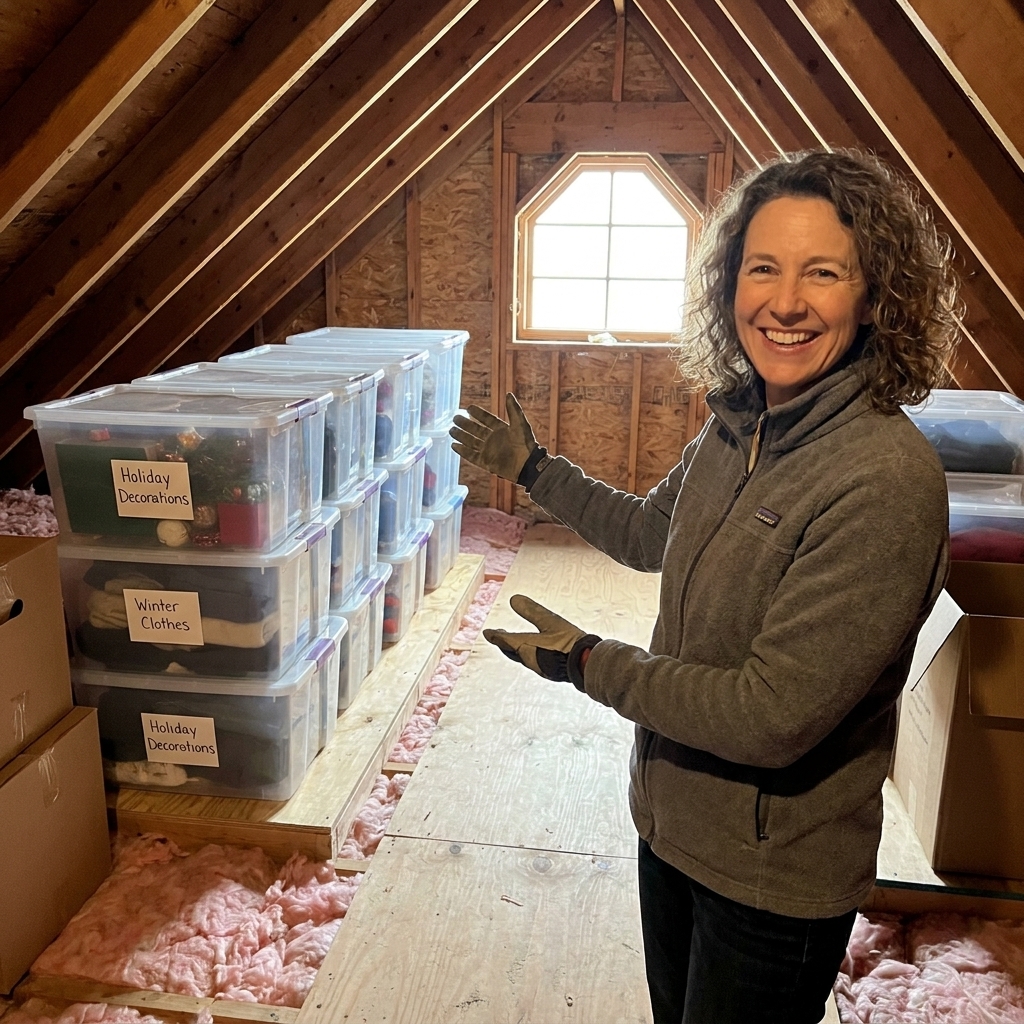
Attic “floors” can be dusty, uneven, and vulnerable to condensation or small leaks. Elevate bins on plywood sheets or sturdy shelving, and avoid resting anything on insulation. If you want extra insurance, elevate the contents inside the bin too with a simple plastic riser or a layer of clean, corrugated plastic.
Labeling that still makes sense later
Future-you deserves better than “Misc. Memories.” I say this with love because I have absolutely labeled a box “Random Stuff” and regretted it for a decade.
My keepsake labeling formula
- Who: name(s)
- What: item type
- When: year range
- How important: “Originals” or “Copies”
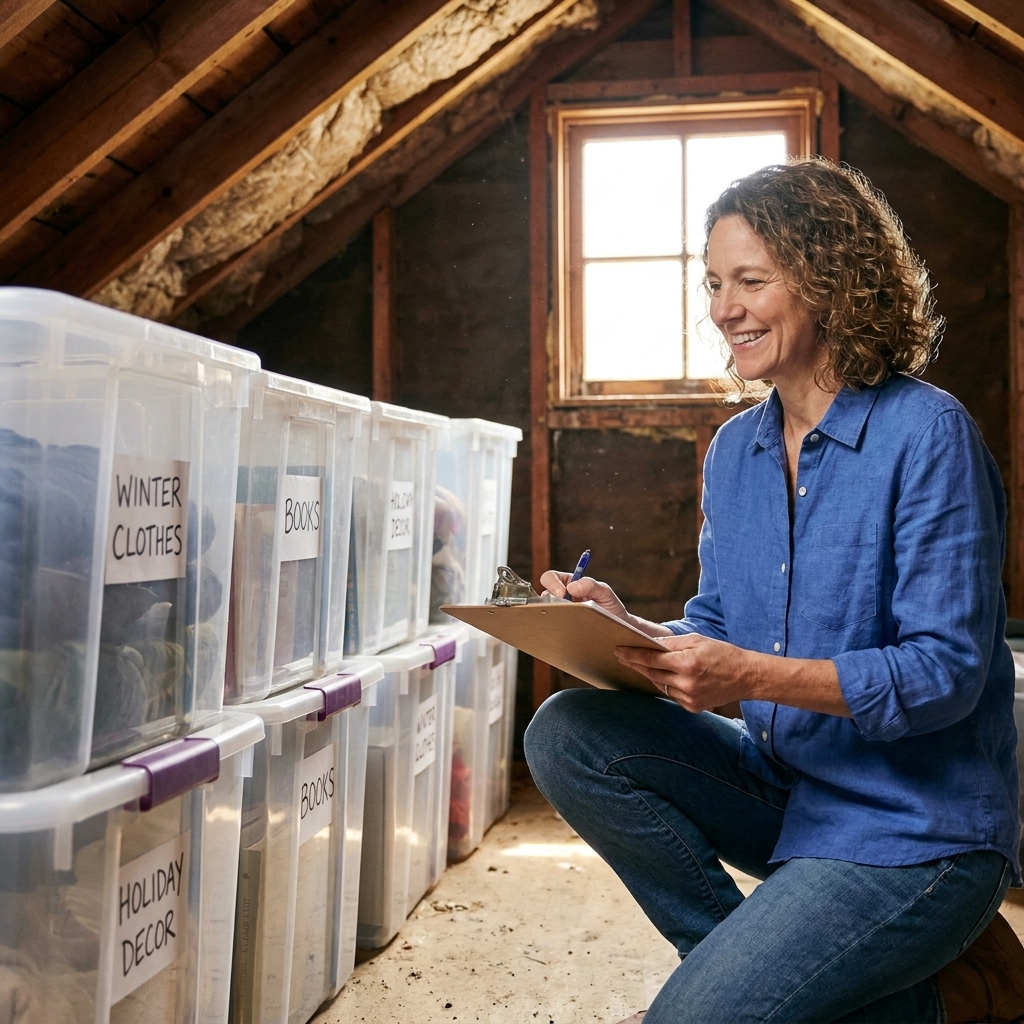
Example: “Sophie: School Artwork 2016 to 2019 (Originals)”
Label placement tips
- Label two sides of the bin, not just the lid.
- Use a label holder or clear packing tape over the label to protect it from dust.
- Keep a simple bin inventory list on your phone, or print one and tape it inside the attic access door.
Where to place bins in the attic
Placement matters more than people think. Even perfectly packed items can suffer if they are stored in the hottest, dampest corner.
- Avoid exterior walls where temperatures swing more dramatically.
- Avoid rooflines and vents where heat and dust hit hardest.
- Choose the most stable zone, typically nearer the center and on raised shelving.
- Leave a walkway so you can access bins without climbing over everything.
If you have a choice between “hard to reach but safer” and “easy to reach but risky,” put the truly sentimental items in the safer spot and store holiday decor in the easy spot.
A quick safety note
Attics have load limits. Use proper flooring panels or shelving, keep heavier bins low and evenly distributed, and avoid stacking so high you could lose your balance. If your attic feels bouncy or the joists are exposed, keep storage lighter and more spread out.
A simple twice-a-year check
Long-term storage is not one-and-done. A quick check once or twice a year is what keeps small issues from becoming heartbreak.
Twice a year, do a 15-minute attic check
- Look for signs of moisture: condensation, mildew smell, warped lids.
- After major storms, do a fast look for roof leaks or wet spots near stored bins.
- Check for pests: droppings, gnaw marks, nesting material.
- Make sure bins are still sealed and not cracked.
- Recharge or replace desiccants.
- Confirm labels are readable.
This is also a great time to pull one small bin down and actually enjoy the contents. Keepsakes are meant to be revisited, not just survived.
Fire and water protection
If you are storing truly irreplaceable items like birth certificates, original photos, letters you cannot replace, or heirlooms that would break your heart to lose, the attic is not your best option.
- Keep originals in a climate-controlled space when possible.
- Consider a fire-resistant, water-resistant rated home safe for critical documents and small keepsakes.
- Back up what you can: scan documents and photos, and keep a copy somewhere offsite or in a secure cloud account.
Quick attic keepsake checklist
- Store only attic-appropriate items, keep irreplaceables inside the home when possible
- Use sturdy plastic bins with locking, gasket lids
- Pack with acid-free materials for paper and textiles
- Keep everything clean and fully dry before sealing
- Add silica gel or desiccant to each bin, kept off direct contact with items
- Elevate bins off the attic floor and away from exterior walls
- Label with who, what, when, and “originals vs copies”
- Do a quick check twice a year and after major storms
FAQ
Is it okay to store photos in the attic if they are in plastic bins?
It is better than standard cardboard, but still not ideal for long-term preservation because temperature and humidity swings can damage prints and negatives over time. If you must, use archival photo boxes inside a gasket-lid bin, add a desiccant pack, and keep the bin away from vents and exterior walls.
What is the best bin for sentimental items?
A heavy-duty plastic tote with a locking lid and a gasket is the most reliable choice for attics. It helps block humidity, dust, and pests, and it holds up to temperature swings better than many thin plastic bins.
Should I vacuum-seal baby clothes or keepsake textiles?
I do not recommend vacuum bags for delicate or vintage textiles long-term. Compression can set deep creases and stress fibers. Clean and dry the items, wrap them in acid-free tissue, and store them in a roomy, sealed bin instead.
How do I store kids’ artwork without keeping every piece?
Take photos or scan the whole stack first, then keep a curated set of favorites in an acid-free folder or portfolio. You get the memory without sacrificing half your attic.