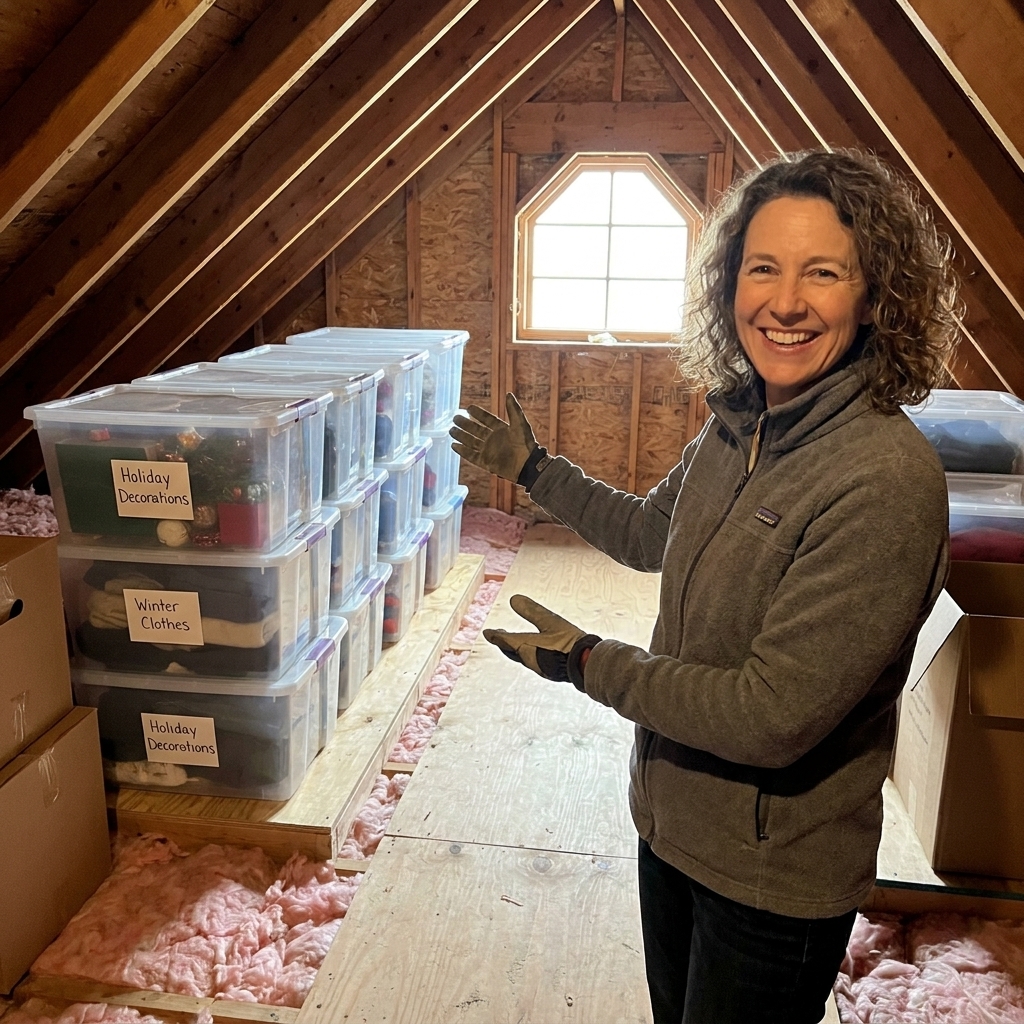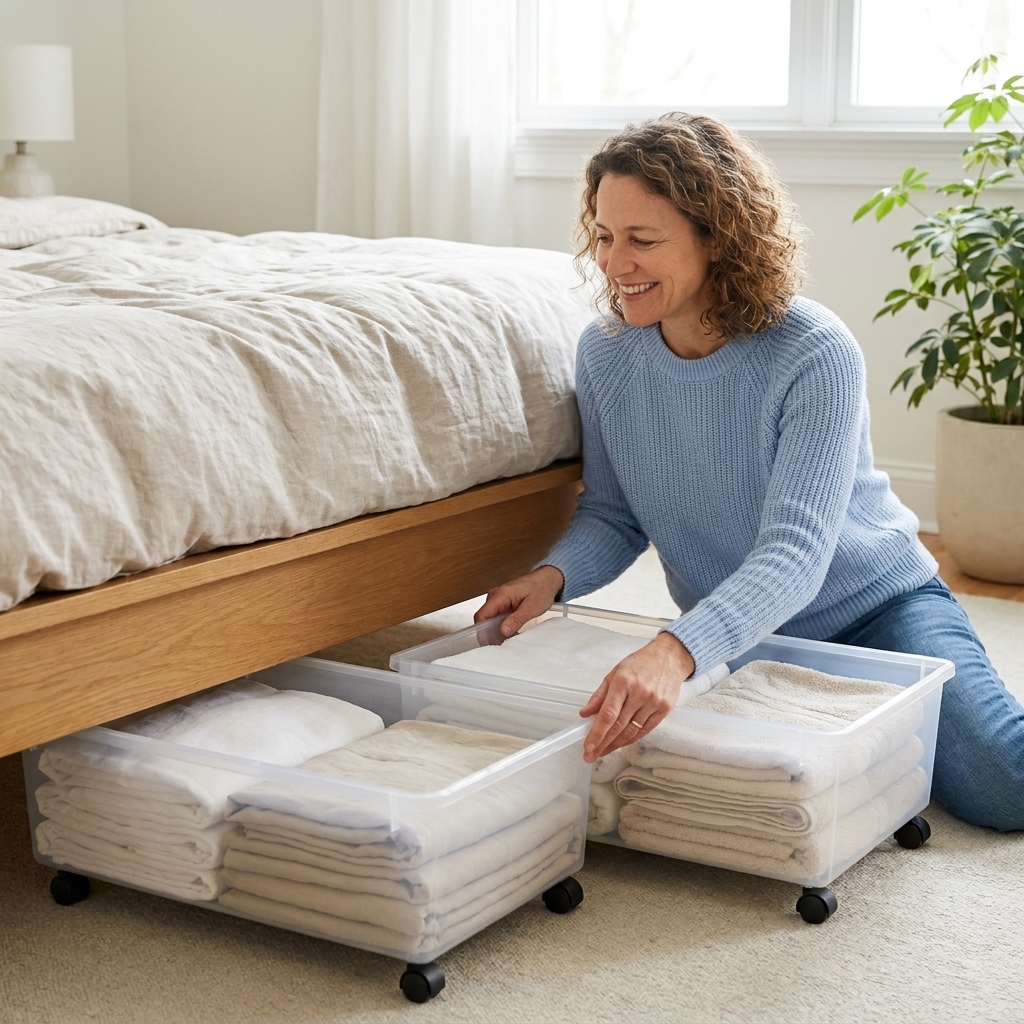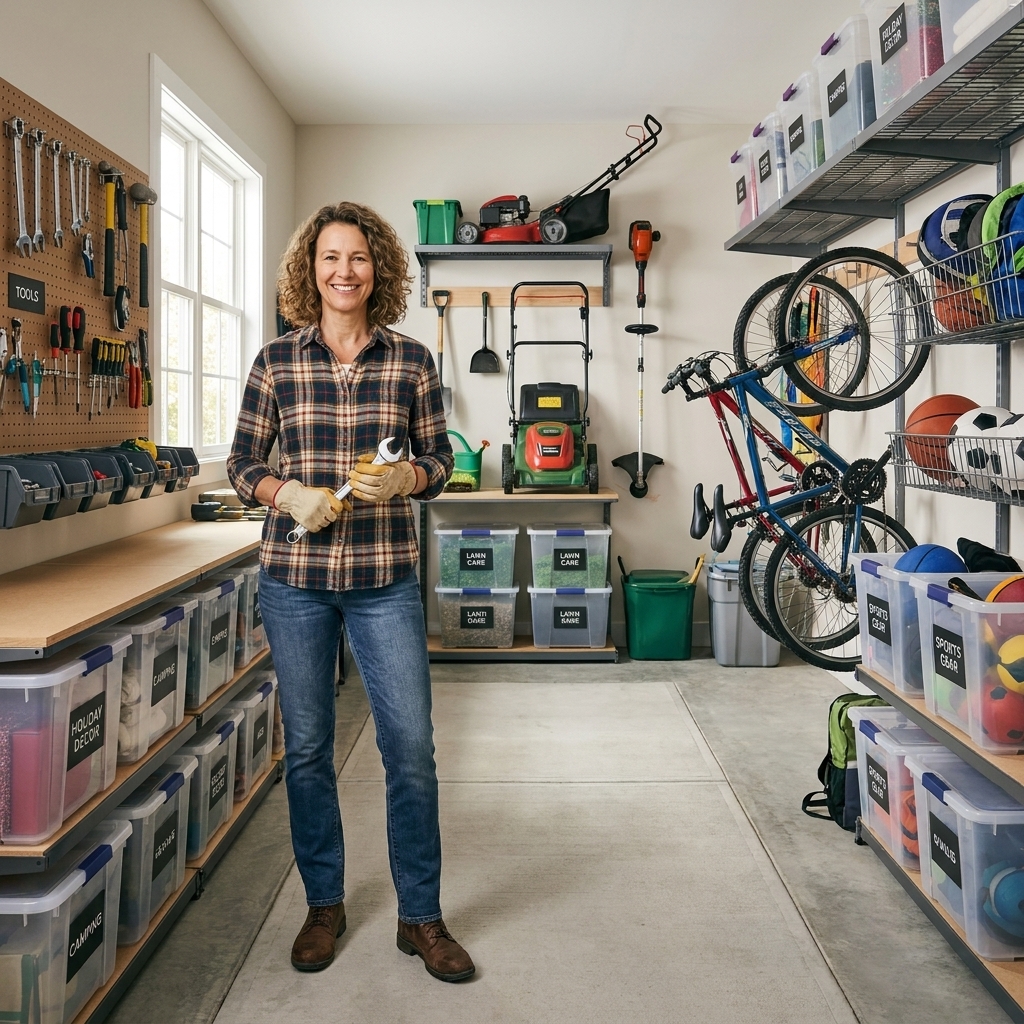
If you have an unfinished basement or a sweltering attic, you already know the truth: those spaces are not neutral. They are basically a slow-motion stress test for anything you store there.
I learned this the hard way as a reformed messy person who once felt very accomplished after boxing up “seasonal stuff” in whatever was available. Months later I opened a box to the world’s saddest surprise: soft corners, musty fabric, and the kind of mystery specks nobody wants to investigate.
So let’s settle it in a practical, real-life way: plastic totes vs. cardboard boxes for long-term storage in basements and attics. We will look at moisture, pests, temperature swings, and what actually works when you want your things to survive the off-season.
The quick verdict
If you want the simple rule that keeps you out of trouble, here it is.
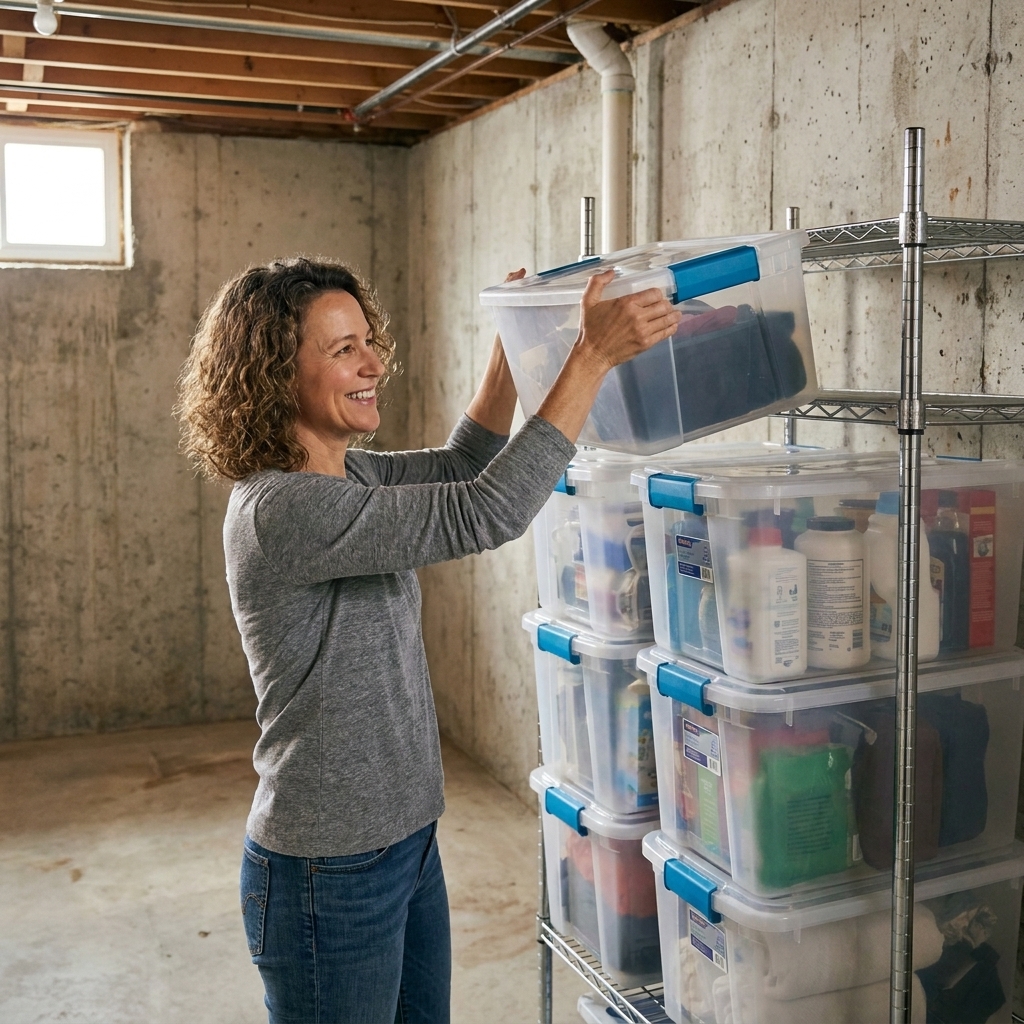
- Unfinished basements: plastic totes usually win for long-term storage because of moisture and pests. Cardboard is best kept for short-term sorting or fully finished, dry spaces.
- Attics: plastic totes usually still win, but you need the right kind and you need to pack correctly because heat can warp plastics and damage what is inside.
- If you must use cardboard: use it strategically, elevate it, and never put it directly on a slab or up against an exterior wall.
Why basements and attics wreck storage
Before we compare containers, it helps to name the usual villains.
- Moisture: concrete wicks moisture, humidity rises and falls, and basements can have tiny leaks you do not notice until a storm.
- Pests: silverfish, cockroaches, mice, and spiders love quiet, undisturbed boxes with soft edges.
- Temperature swings: attics can get extremely hot and basements can get cold. Those changes affect adhesives, fabrics, paper, plastics, and even the containers themselves.
Your storage container is not just a “holder.” In these spaces, it is your first line of defense.
Plastic totes: pros and cons
Where plastic totes shine
- Water resistance: plastic will not absorb water like cardboard. A tote can handle dampness on the outside and often still protect what is inside, as long as water is not pooling around the lid and the tote is not sitting in standing water. Most totes are water-resistant, not waterproof.
- Pest resistance: plastic is harder for pests to chew through than cardboard. It is not pest-proof, but it is usually less inviting. Determined rodents can still chew some plastics, especially thinner bins.
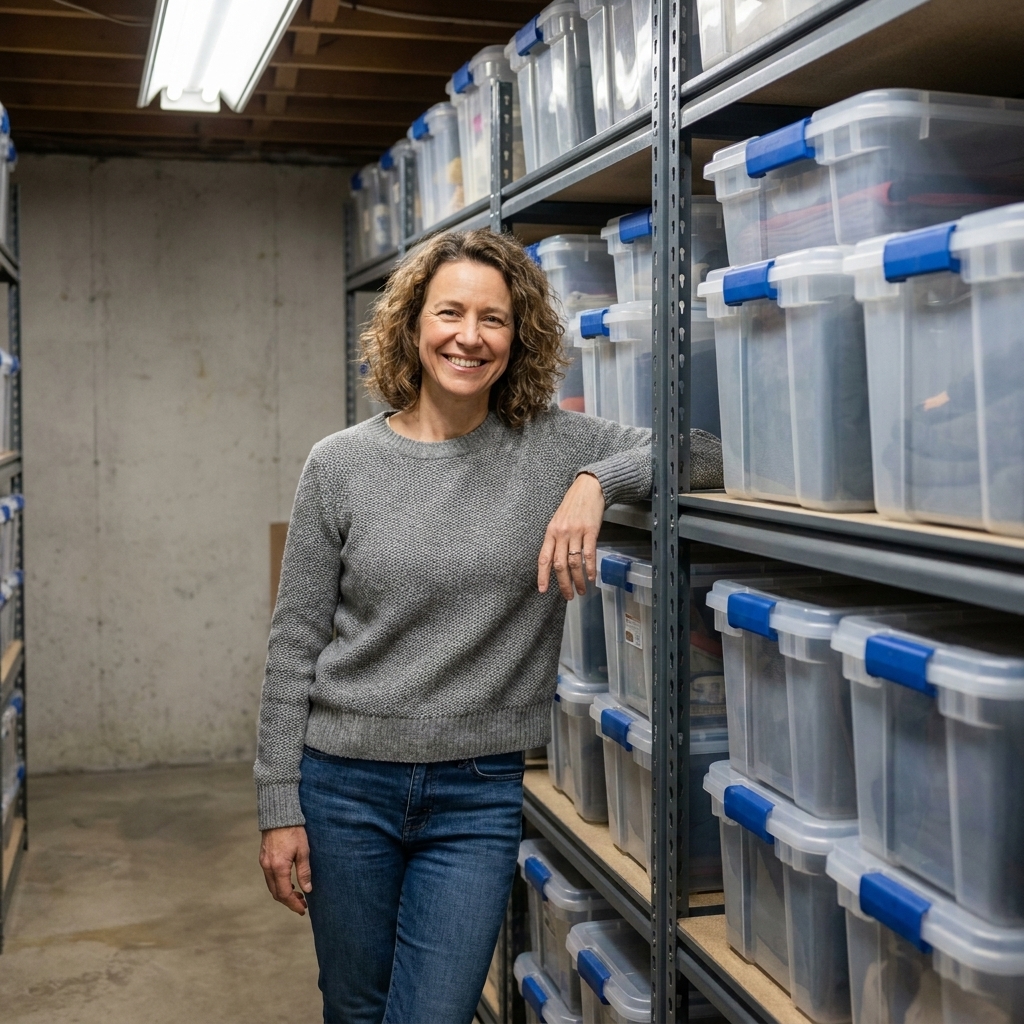
- Stacking strength: a good tote keeps its shape, which matters when you are building vertical storage on shelves or racks.
- Reusability: you can open, close, rotate, and move them without the container degrading.
Where plastic totes struggle
- Condensation risk: tight-lidded totes can trap humidity if you pack items that are not completely dry, or if you move items from one temperature zone to another. That is how you get “sealed-in musty.”
- Heat in attics: cheaper totes can warp or crack. High heat can also accelerate damage to what is inside (photos, vinyl, elastic, candles, cosmetics, adhesives, and anything battery-powered).
- Cost and clutter creep: totes are an investment, which can tempt you to store too much simply because you bought containers for it.
My real-life take: plastic totes are the best default for unfinished spaces, but only if you treat them as a system. The tote is not the plan. The plan is what goes in, how it is packed, and where it sits.
Cardboard boxes: pros and cons
Where cardboard boxes make sense
- Less moisture trapping: cardboard is more vapor-permeable than plastic. That can make it less likely to trap a little bit of moisture you accidentally packed in. It does not protect from humid air in the room, though. Humidity can still move right through it.
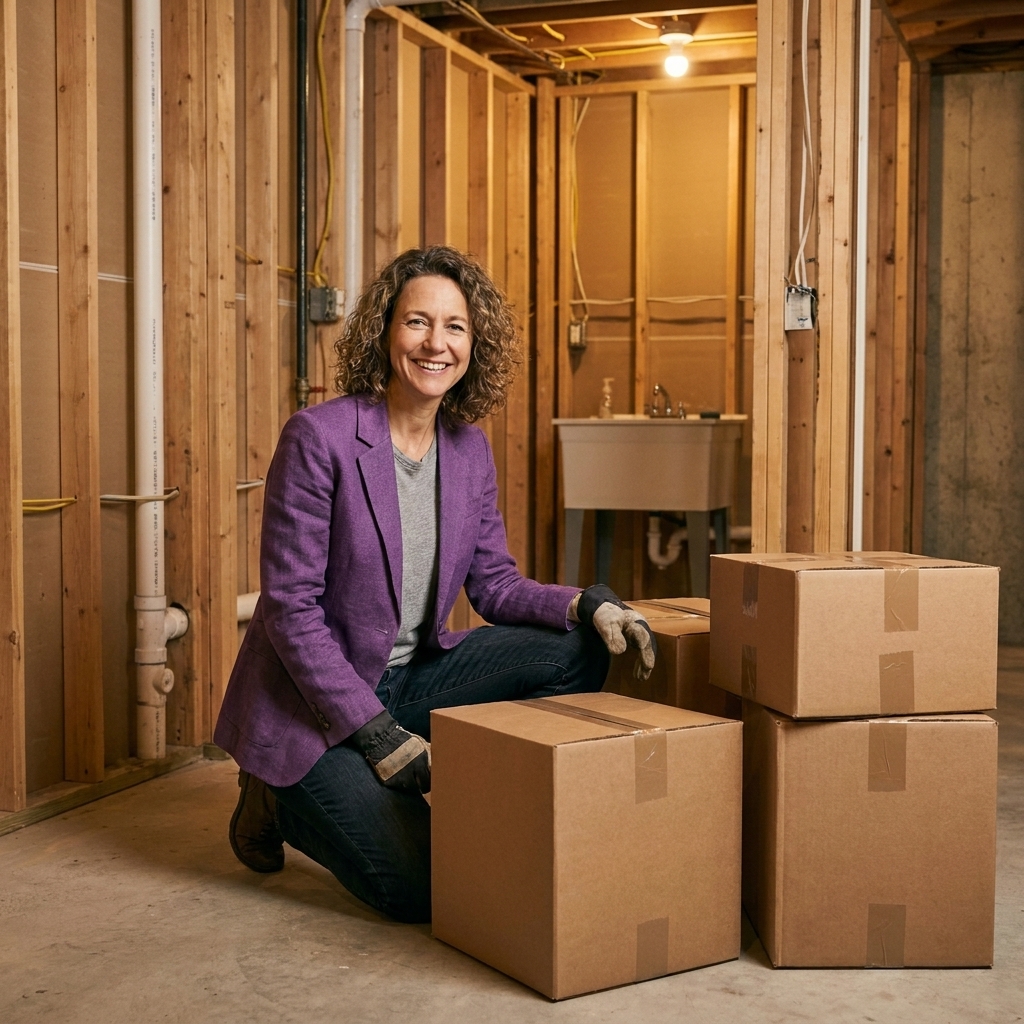
- Cost: they are cheap, easy to find, and great for temporary sorting during a declutter.
- Labeling and sizing: cardboard comes in more shapes, and it is quick to write on.
Where cardboard fails in basements and attics
- Moisture magnet: cardboard absorbs humidity, wicks water from concrete, and softens fast. Once it’s damp, it loses strength and becomes a mold risk.
- Pest invitation: insects hide in corrugation, and rodents can chew through it like it is their job.
- Stacking collapse: in a humid basement, cardboard can bow and crush, which dominoes into a messy pile.
- Longevity: even in decent conditions, it degrades over time, especially if moved or restacked often.
My real-life take: I love cardboard for the “in-between” stage when you are sorting and deciding. I do not love it as the final container in an unfinished basement. It is like wearing sneakers in a snowstorm. Technically possible, but you will regret it.
Head-to-head comparisons
Moisture and mold
Winner: plastic totes (with smart packing).
- Basement humidity and concrete floors are brutal for cardboard. Even without a visible leak, seasonal humidity can soften boxes.
- Plastic does not absorb moisture, but it can trap it. Pack only completely dry items, and do not seal in “slightly damp” anything.
Basement pro move: store containers up off the floor on shelves or on pallets, and keep a few inches of airflow away from exterior walls.
Pests
Winner: plastic totes (especially with tight lids).
- Cardboard is cozy nesting material and an easy chew.
- Plastic reduces hiding spots and slows down pests, but it is not invincible.
Reality check: if you already have mice, no container is a magic spell. Seal entry points, reduce clutter, and keep food, bird seed, and pet food out of the basement.
Temperature swings
Basements: plastic usually holds up well as a container, but the space itself still matters. If your basement is routinely damp, your contents can still smell musty without humidity control.
Attics: it depends. Many attics can reach extreme temperatures in summer, and that is hard on both containers and contents.
- Heat can warp flimsy plastic and accelerate damage to items inside. Cardboard can also degrade in heat and humidity, and it is not pest-resistant.
- If you store in an attic, use thicker totes, avoid overfilling, and repeat the boring rule: pack bone dry.
- Keep heat-sensitive things out of the attic entirely (photos, candles, vinyl records, cosmetics, important paperwork, and most electronics and batteries).
Durability over years
Winner: plastic totes.
- Cardboard loses strength as it ages, especially if it is moved.
- Plastic can crack with age in cold conditions or if it is brittle quality, but a sturdy tote lasts many years.
Ease of access
Winner: plastic totes for households that actually use their storage.
- Totes open and close repeatedly without destroying the container.
- Cardboard lids tear, tape fails, corners crush, and the whole thing becomes a “do not touch” box.
What to store in what
Best for plastic totes
- Holiday decor and seasonal home items
- Kids’ keepsakes you want to protect from mustiness
- Extra bedding, but only if it is clean and fully dry
- Camping gear and soft goods, ideally in breathable bags inside the tote
- Electronics cables and small parts, using smaller boxes or dividers inside
Better in a different setup
- Photos, art, and important documents: store in your conditioned living space. If you need boxes, use archival-quality, acid-free boxes (not random moving boxes) in a closet where temperature and humidity are stable.
- Books you care about long-term: also better inside the main house, not in a damp basement or hot attic.
- Sentimental textiles and heirlooms: the best container cannot outsmart a bad environment. Climate-controlled space wins.
If you are thinking, “Wait, so what is better for papers, cardboard or plastic?” the real answer is often neither basement nor attic. Pick the right container, yes, but also pick the right location.
Choosing a good tote
Not all totes are created equal. If you are going to spend the money, get the kind that survives real basements.
Look for
- Thick sides and reinforced corners: they stack better and crack less in cold snaps.
- A secure lid: latching lids help keep out dust and pests. If you want a better seal, look for gasketed lids. Even then, assume water-resistant, not waterproof.
- Clear bins for active storage: if you rotate items seasonally, clear bins stop you from opening six containers to find one string of lights.
- Uniform sizes: two or three consistent sizes stack neatly and make shelves easier to plan.
Avoid
- Ultra-thin bargain totes for long-term stacks
- Overstuffing totes until the lid bows
- Storing tote lids separately (you will never find them when you need them)
Small but real thing: some plastics hold odors. For textiles, I like a breathable cotton bag or a washable liner inside the tote so your blankets do not pick up that “plastic attic” smell.
If you use cardboard anyway
I get it. Sometimes you have ten boxes today and zero budget for totes until next month. If cardboard is what you have, you can reduce risk.
- Get it off the concrete: use shelves, plastic pallets, or even 2x4 runners. Never directly on a slab.
- Leave breathing room: keep boxes a few inches away from exterior walls for airflow.
- Use new, sturdy boxes: reused grocery or liquor boxes break down fast and often come with surprise moisture history.
- Skip basements for paper: important papers, photos, and books deserve a closet inside your conditioned living space.
- Do seasonal checks: open a couple of boxes every few months. If you smell musty, you have a problem now, not later.
Packing habits that prevent stink
Container choice is huge, but packing habits are where long-term storage goes wrong.
Pack dry, store dry
- Never pack damp camping gear, muddy sports gear, or recently cleaned textiles that are not fully dry.
- If you are storing fabric, consider breathable cotton bags before placing items in a tote.
Use a simple moisture buffer
- In humid basements, a small moisture absorber can help inside a tote, especially for fabrics. Replace it on a schedule.
- A dehumidifier is the best “container upgrade” you can buy for a basement that runs damp.
Deal with musty now, not later
- If something already smells musty, do not just re-pack it and hope. Clean it properly, dry it fully, and address the humidity source before it goes back into storage.
Label like Future You is tired
- Write what it is and when you packed it. Example: “Holiday decor, November 2026.”
- Put labels on the short side if you store bins on shelves. You will see them at a glance.
A setup that holds up
If you want a low-maintenance system, this is the one I recommend most often.
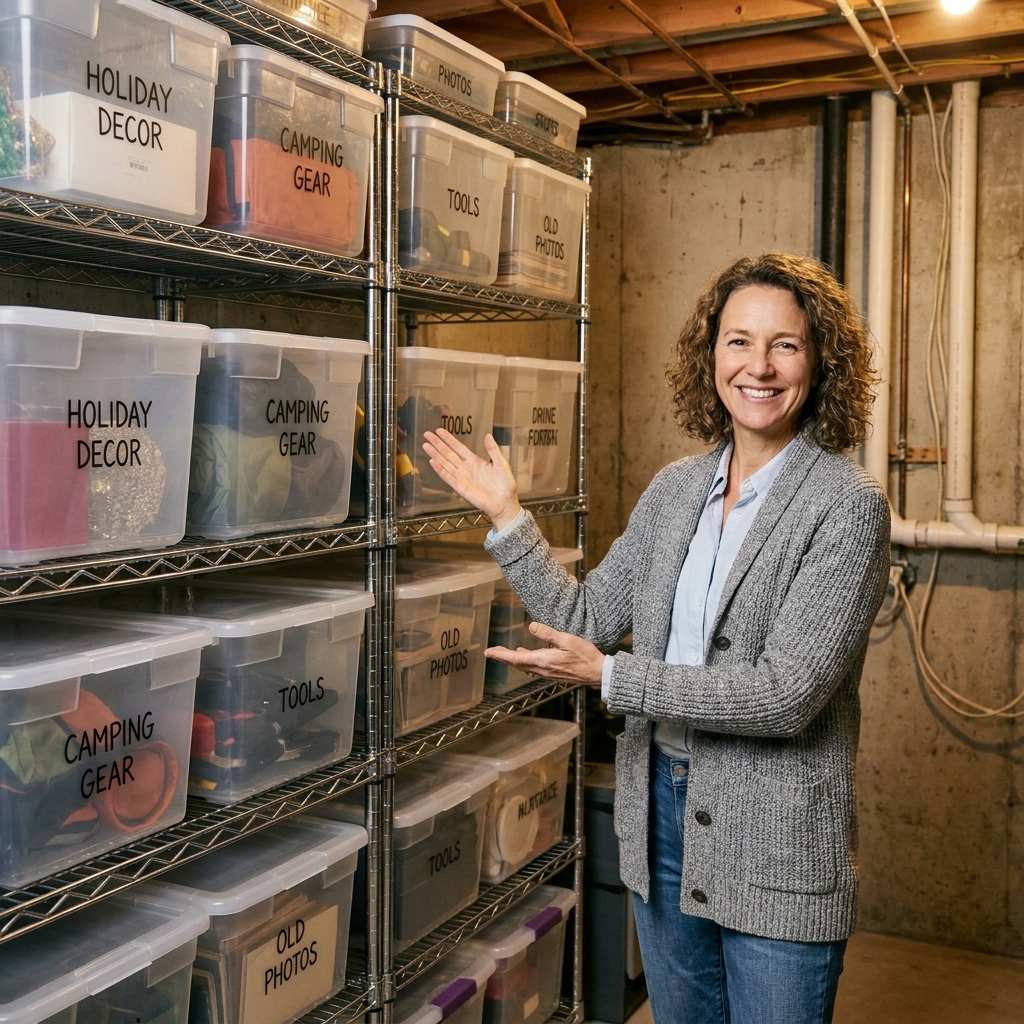
- Step 1: Put up basic shelving so nothing sits on the floor.
- Step 2: Choose two tote sizes, one medium and one large.
- Step 3: Assign zones: seasonal decor, kids keepsakes, tools, household backstock.
- Step 4: Put most-used bins at chest level. Heavy bins go lower.
- Step 5: Schedule a 30-minute reset twice a year, usually when you swap seasons.
This is the kind of system that works even if you are not naturally tidy, because it reduces decisions. Same bin sizes. Same zones. Same reset routine.
FAQ
Are plastic totes airtight enough to prevent mold?
They can be fairly tight, but airtight is not the same as mold-proof. Mold needs moisture. If moisture is sealed inside with your items, a tight tote can make the problem worse. Pack only completely dry items and consider a moisture absorber in humid spaces.
Should I store clothes in plastic totes in a basement?
Only if the basement is dry and you are careful. Clothes should be clean and fully dry, and I prefer breathable garment bags or cotton storage bags inside the tote. If your basement smells musty on a normal day, store clothing inside the main house instead.
What about vacuum-sealed bags inside totes?
They can work well for bulky textiles, but only if everything is bone dry. Vacuum bags can trap moisture the same way. Also be mindful with natural fibers and anything you do not want creased long-term.
Can I store cardboard boxes in an attic?
You can, but heat, pests, and dust are still issues. If your attic gets extremely hot, consider keeping sensitive items out of the attic regardless of container type. For attic storage, sturdy totes plus smart item choices usually win.
Do clear totes cause damage from light?
In a basement, light exposure is usually minimal. In brighter spaces, UV can fade fabrics and papers over time. If you have windows or a bright attic, use opaque totes for light-sensitive items.
Bottom line
For unfinished basements and most attics, plastic totes are usually the better long-term storage choice because they resist moisture, discourage pests, and hold up year after year. Cardboard has a place in the decluttering process and in dry, conditioned spaces, but it is a risky “final container” in damp or buggy zones.
If you want the most peaceful outcome, pair sturdy totes with three habits: keep containers off the floor, pack items fully dry, and do a quick check-in twice a year. That is the unglamorous secret to storage that actually stays stored.