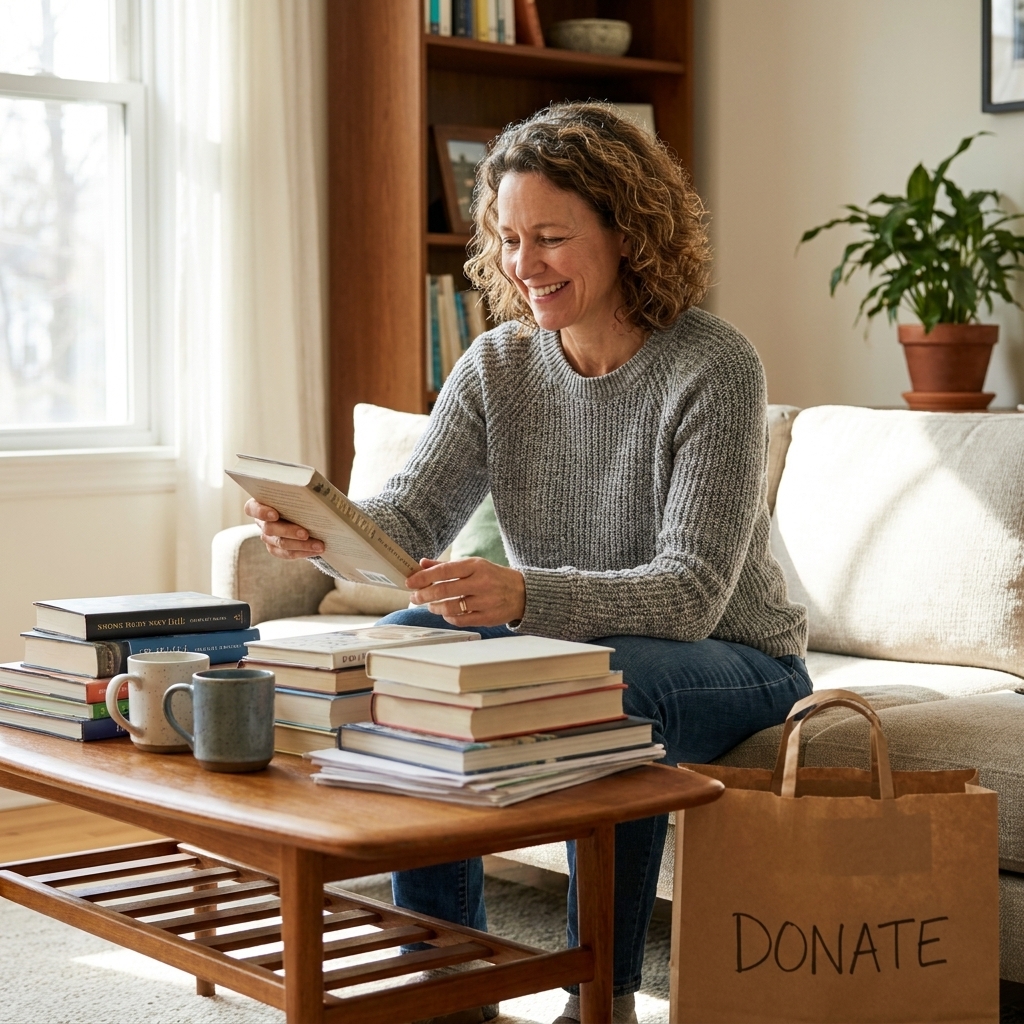
There is a very specific kind of clutter that feels heavier than it should: the sweater you’ll never wear, the gadget you didn’t ask for, the decor item that doesn’t fit your home, the “collector” thing you now feel responsible for. Unwanted gifts take up space in your closets, yes, but they also take up space in your brain because they come with a side of guilt.
I’m a reformed messy person, and gifts used to be my worst category. I’d stash them “somewhere safe” because I didn’t want to hurt anyone’s feelings. Months later, I’d be annoyed at the clutter and mad at myself for being ungrateful. Here’s the truth that changed everything for me: the gift already did its job the moment it was given. Keeping it forever isn’t part of the deal.
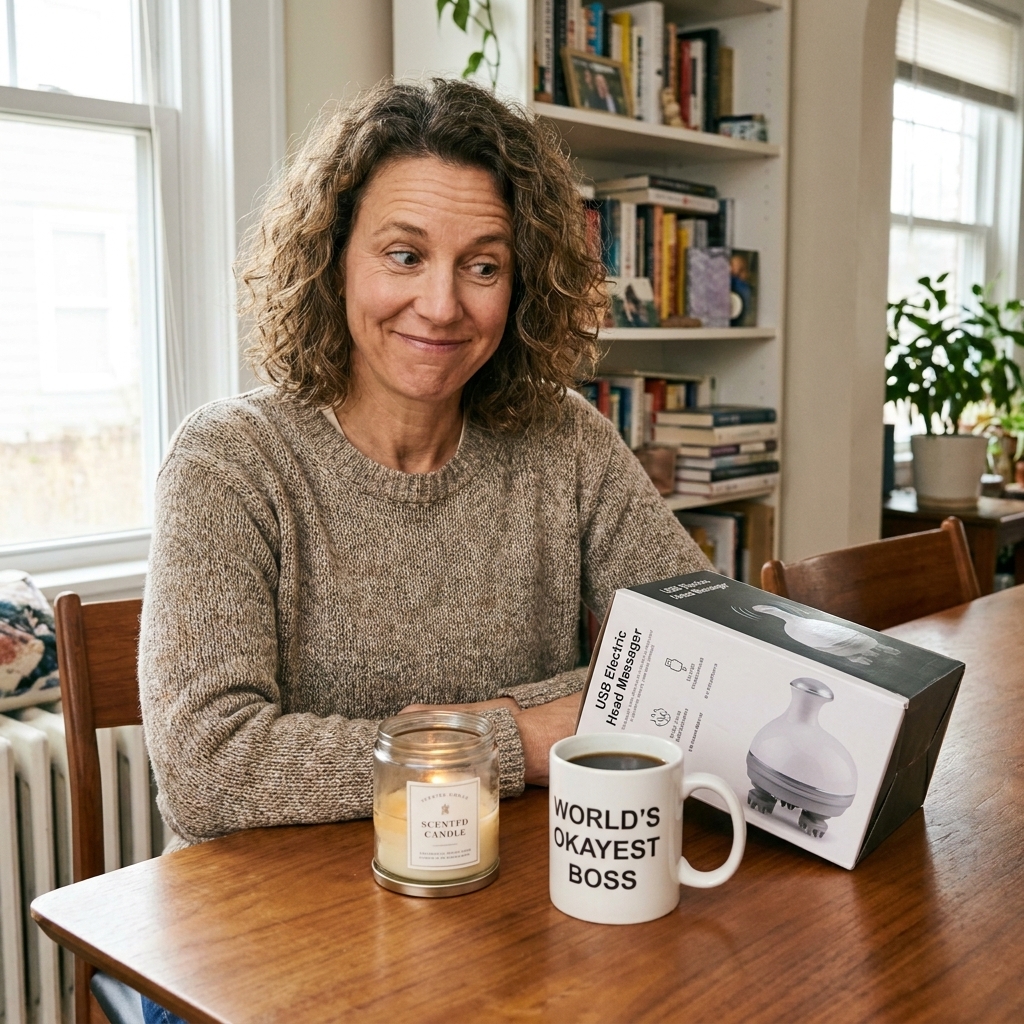
This guide will help you let go of unwanted gifts in a way that’s kind, firm, and realistic for busy households.
Start here: separate the person from the object
If you remember only one line, make it this: appreciation isn’t storage.
A gift is a symbol of someone’s care, time, or intention. The object itself is just an object. You can fully appreciate the gesture and still decide the item isn’t right for your home.
- You’re allowed to prefer less stuff. Minimalists aren’t the only people who can say that. Clutter-sensitive people, busy parents, small-space renters, and tired people can say it too.
- Keeping something you resent doesn’t honor the giver. It quietly creates irritation, and irritation isn’t gratitude.
- Your home isn’t a museum of other people’s choices. It’s your living space, and it should support your daily life.
A quick decision ladder
When you pull out an unwanted gift, your brain will try to negotiate. Give yourself a simple ladder to climb instead.
Step 1: Would I buy this today?
If the answer is “no,” that’s a strong signal it doesn’t belong in your limited space.
Step 2: Will I use it soon?
Try a simple window like the next 30 days. If you can’t name a specific moment you’ll use it, it’s probably just taking up future-you’s energy. If 30 days feels too tight or too loose, adjust the window. The point is to make a decision you’ll actually follow.
Step 3: Does it earn its space?
Some items are small but irritating, and some are large but genuinely useful. Space isn’t just physical. It’s mental overhead. If you have to keep remembering that it exists, that counts.
Step 4: Choose one path
- Keep (and give it a real home)
- Donate (best for clean, usable items)
- Regift (only when it’s appropriate and safe socially)
- Sell (best for higher-value items you can realistically list)
- Recycle (electronics, batteries, textiles depending on local programs)
- Trash (when it’s broken, unsafe, expired, recalled, or unsanitary)
The win isn’t picking the “perfect” option. The win is choosing one option and moving it out.
Gift decluttering etiquette
This is where guilt gets loud, so let’s calm it with reality.
Yes, it’s okay to donate a gift
In most situations, once a gift is given, it’s yours to decide what happens next. (There are exceptions, like certain workplace rules or clearly conditional gifts.) Donating a gift can even be a way of respecting the value of the item by letting it be used.
Yes, it’s okay to regift, with a few rules
- Don’t regift within the same social circle where it’s likely to boomerang back.
- Don’t regift personalized items (monograms, “World’s Best Aunt,” etc.).
- Make sure it’s new or like-new and includes any needed parts.
- Match the item to the person. Regifting is only thoughtful if it actually fits them.
It’s okay to return or exchange, if you can do it gracefully
If you have a gift receipt, great. And if the store allows it, a no-receipt return for store credit can be an easy path (policies vary, and some require ID). If you know the giver would genuinely prefer you have something useful, exchanging can be a kindness to both of you.
No, you don’t need to keep it until they visit
This is one of the most common clutter traps. Keeping an item you don’t want “just in case they ask” is paying rent to anxiety.
How to let go without guilt
Write down what it meant, then release the item
If the gift is tied to a memory, take a quick photo and write a sentence in your notes app about why it mattered. Memory saved. Space reclaimed.
Create a small sentimental limit
If you love the person but not the item, you can keep one small thing that represents them, not twelve. A scarf, a framed photo, a handwritten card. Something flat is my favorite because it stores easily.
Use the “better home” reframe
Instead of “I’m getting rid of it,” try: “I’m sending it to a home that will use it.” This is especially helpful for brand-new items that deserve to be enjoyed.
Drop the fantasy version of you
So many gifts cling to our homes because they cling to our identities. The bread maker for the person who bakes every weekend. The hobby supplies for the person who has time. If it’s for a version of you that doesn’t exist right now, let it go kindly.
You can be grateful for the thought and still be honest about your capacity.
Room-by-room hot spots
Closet and dresser: clothes you won’t wear
- Try it on once. If you don’t like how it feels, looks, or fits your life, it can go.
- Remove it from the hanger immediately. Don’t re-hang it “to think.”
- Donate while it’s in season if you can.
Kitchen: gadgets and novelty items
- Ask: does this replace something I already use, or is it extra?
- Keep one “maybe” box for a short trial (14 days works well, but adjust it). If you don’t reach for it, donate it.
- Be firm with duplicates like mugs, water bottles, and serving platters.
Bathroom: sets you don’t use
- Unopened items can often be donated to shelters or community pantries, depending on local guidelines. Call first. Many programs require sealed items and have restrictions around expiry dates and certain products.
- If it’s opened, expired, or irritating to your skin, toss it. Your bathroom isn’t a product graveyard.
Living room: decor that doesn’t feel like you
- If it doesn’t match your space and you keep moving it around, it’s probably clutter.
- Pick your home’s “yes” style, then let anything outside that style go.

Before you donate: safety, quality, and privacy
A quick check makes your declutter kinder to whoever receives the item.
- Donation quality matters. Aim for clean, odor-free, and working. If you’d feel weird handing it to a neighbor, it’s probably not a donation.
- Check recalls and safety rules. This matters most for baby gear, electronics, and anything that heats or burns (candles, space heaters). If an item is recalled, follow the manufacturer’s instructions instead of donating it.
- Watch expiration dates. Cosmetics, skincare, and some food gifts can expire even if they’re unopened.
- Protect your data. For smart devices, digital photo frames, tablets, and anything with storage: factory reset it, remove accounts, and wipe personal info before donating or selling. If you can’t fully reset it, recycle it through an approved e-waste program.
- Recycle batteries and e-waste safely. Use approved drop-offs and follow local rules. Don’t toss loose batteries in the trash or curbside bins unless your area explicitly accepts them.
When family notices everything
Ah yes. The relative who can spot a missing throw pillow from 2007. This is where you combine boundaries with strategy.
Option 1: Keep one visible item, release the rest
If someone’s genuinely sensitive and you want to avoid tension, choose one small, easy-to-store item from them to keep in rotation. Let the rest go. One candle holder is plenty.
Option 2: The “use it up” approach
Consumables are your best friend here. Burn the candle. Use the fancy soap. Finish the tea assortment. Then recycle or toss the packaging guilt-free.
Option 3: Be honest, but soft
You don’t have to announce you donated their gift. But if they directly ask, you can be truthful without being harsh.
Simple scripts you can borrow
- If they ask where it is: “I loved that you thought of me. It ended up not working in our space, so I passed it on to someone who can use it.”
- If they say you should keep it: “I hear you. I’m keeping our home pretty simple right now, so I’m being picky about what we store.”
- If they keep gifting the same type of thing: “You’re so generous. The most helpful gifts for us right now are consumables or experiences. We’re really trying to keep surfaces clear.”
A 30-minute gift sweep
If you’re overwhelmed, do this once and you’ll feel a noticeable shift.
- Grab a laundry basket and do a quick sweep of obvious unwanted gifts from the main clutter zones: entryway, kitchen counter, coffee table, your closet floor.
- Sort into four piles: donate, regift, return, trash.
- Bag the donate pile immediately. If it isn’t in a bag, it tends to crawl back into your home.
- Create a tiny regift bin (one lidded box). If the bin is full, you don’t accept more regift candidates. You donate them.
- Put returns in your car the same day, with the receipt taped to the item or in a labeled envelope.
- Take the trash out now, not later. “Later” is how clutter wins.
Set a timer. You’re not organizing. You’re extracting clutter.
Prevent future unwanted gifts
You can’t control what people buy, but you can make it easier for them to gift you well.
Give people a short, specific list
- Consumables you genuinely use (coffee beans, olive oil, your favorite hand soap)
- Experiences (movie gift cards, museum passes, babysitting offers, restaurant certificates)
- Upgrades of things you already own (a better sheet set, a new cutting board)
Choose a default request phrase
Keep it simple so you’ll actually say it.
- “We’re keeping the house lighter this year. Consumables are perfect for us.”
- “If you want to gift something, a gift card for groceries or a family outing would be amazing.”
- “No pressure at all, but we’re trying to stick to experiences over things.”
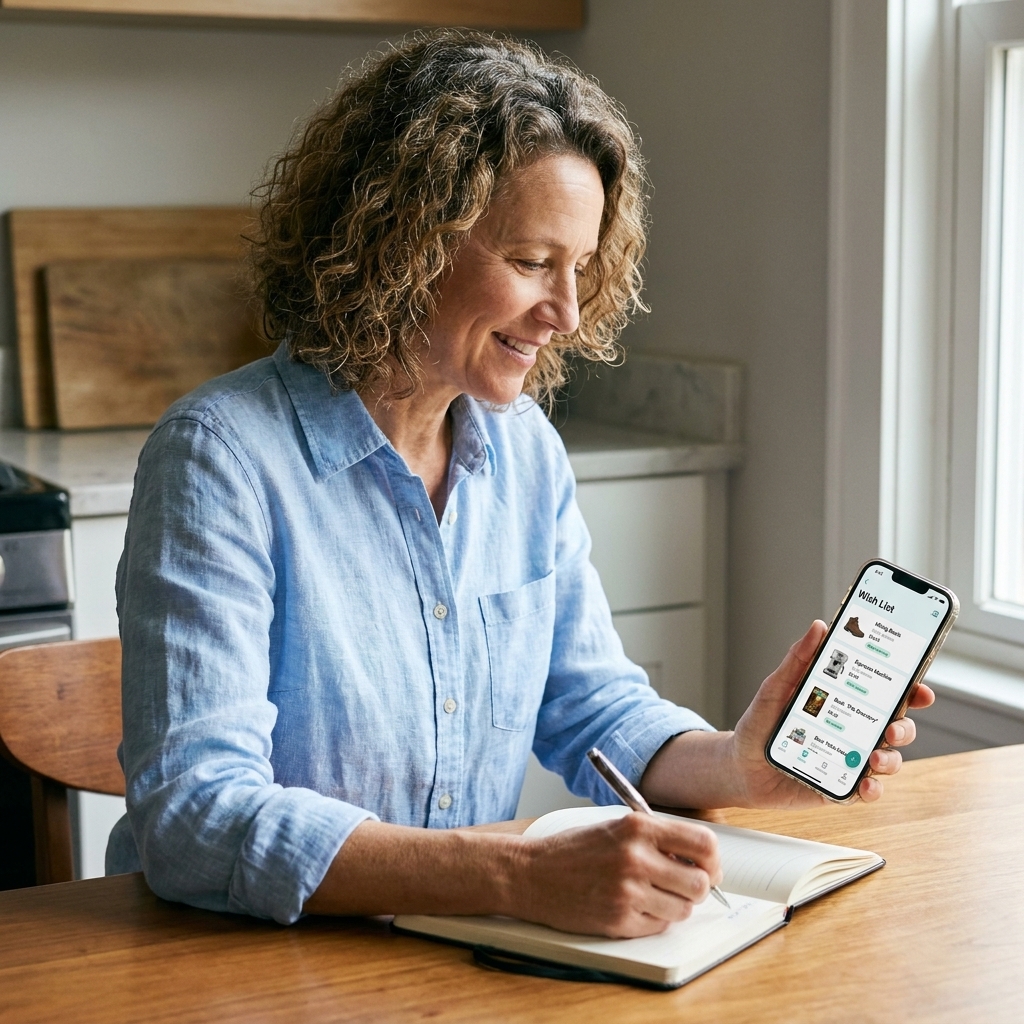
Suggest a shared wish list
A running list (even a simple shared note) reduces random purchases and makes gift-giving easier for everyone.
Special cases
Handmade gifts
Handmade gifts are tricky because you can feel the effort in your hands. My rule: keep what you truly love and display or use it. If it lives in a drawer out of guilt, it isn’t being honored anyway. Take a photo, write a thank you message, and let it go if it isn’t your style.
Inherited items and heirlooms
If something is family history, you can still set limits. Choose the pieces you can care for and store properly. Offer other pieces to relatives who want them. If no one wants them, it’s okay to donate or sell. A family object isn’t automatically a family responsibility.
Expensive gifts
Price increases guilt, but it doesn’t increase usefulness. If it’s truly valuable, selling it and using the money for something you need can be the most responsible choice. If selling feels like too much work, donating it so it gets used is still better than letting it sit unused.
FAQ
Is it rude to get rid of a gift?
No. Rude is criticizing a gift to the giver. Quietly making a choice that supports your home is normal and healthy.
Should I tell the person I donated it?
Usually, no. If they ask directly, you can be honest and kind. You don’t owe a full explanation.
What if the giver asks about it later?
Keep your response simple: you appreciated it, it didn’t work in your space, and it went to someone who can use it. Then change the subject.
What’s the best way to handle unwanted gifts from grandparents?
Grandparents often gift as a love language. Aim for redirection, not rejection: request consumables, experiences, or contributions to something meaningful (a zoo membership, a college fund, a family photo book). If items still arrive, keep only what you can manage and pass the rest along without drama.
What if I feel guilty no matter what?
Guilt is a feeling, not a rule. Thank the giver in your heart, take a photo if it helps, and practice releasing one item at a time. The guilt gets quieter with repetition.
A gentle reminder
You’re not a bad person for wanting a calmer home. You’re not ungrateful for choosing space over stuff. Gifts are meant to add joy, not obligation.
If an item is weighing you down, you have permission to let it go. Then take a deep breath and enjoy the weirdly peaceful feeling of an emptier shelf. That part never gets old.