Döstädning (pronounced kind of like “doe-stad-ning”) is Swedish for “death cleaning,” and yes, the name’s a little intense. The idea isn’t gloomy. It’s actually one of the kindest, most practical approaches to decluttering I’ve ever tried: you slowly reduce what you own so the people you love aren’t left sorting through mountains of stuff someday.
As a reformed messy person, I also love this method for a totally selfish reason: it creates a calm home now. No dramatic purge required. No picture-perfect minimalism. Just mindful downsizing, at a pace that matches real life.

What it really means
Swedish Death Cleaning is the practice of intentionally editing your belongings, usually in midlife or later, so your home and your “stuff story” are easier for others to manage. It’s often associated with Swedish author Margareta Magnusson, who popularized the concept internationally.
At its core, döstädning is:
- Proactive: You decide what stays and what goes, instead of leaving those decisions to family.
- Gradual: You do it over months or years, in manageable pockets of time.
- Meaning-focused: You keep what supports your current life and honors your memories, not what creates guilt.
- Kind: The goal is to reduce burden, not to erase your history.
And to be very clear: this isn’t only for older adults. Anyone can use the principles, especially if you’ve ever thought, “If I disappeared tomorrow, my family would need a forklift and a week off work to handle my closets.”
Your things aren’t your legacy
If you grew up in a “save it just in case” home (hi, it’s me), Swedish Death Cleaning can feel emotionally tricky at first. Here’s the gentle reframe that makes it doable:
- Memories live in you. An object can help you remember, but it isn’t the memory itself.
- Keeping everything isn’t the same as honoring everything. You can appreciate a chapter of life without storing every prop from it.
- Your loved ones want you, not your boxes. Most people would rather inherit a few meaningful items than an entire attic of decisions.
I like to ask: “If my best friend had to clear this out on a sad, exhausted day, would I be proud of what I left her?” That question’s weirdly clarifying.
When to start
Traditional advice often suggests starting around retirement age, but the best time is whenever you can think clearly and move at your own pace.
Consider starting if:
- You’re downsizing, moving, or renovating.
- You have “legacy piles” like paperwork, photos, heirlooms, or collectibles.
- You feel anxious when you think about your closets, storage room, or garage.
- You want your home to be easier to maintain, especially on low-energy weeks.
You don’t need a milestone. You just need a starting point.
How it’s different
Typical decluttering is often about making space, organizing better, or creating a more functional home. Swedish Death Cleaning includes those benefits, but it adds two extra lenses:
- Time: “Will I realistically use or manage this in the years ahead?”
- Responsibility: “Would this be confusing, heavy, or stressful for someone else to sort?”
It also tends to prioritize the categories that cause the biggest burden later: paperwork, photos, sentimental items, and “mystery storage” bins.
A simple starter plan
This is the part where a lot of people freeze. So here’s my reformed-messy approach: you don’t start with the hardest, most emotional stuff. You start with the easy wins that build momentum.
Step 1: Pick a small zone
Choose something like one bathroom drawer, one kitchen cabinet, one shelf, or one box. Set a 20 to 40 minute timer. Your goal is progress, not completion.
Step 2: Use five categories
- Keep: You use it, need it, or truly love it.
- Donate: Someone else could use it now.
- Trash: Broken, expired, or unusable.
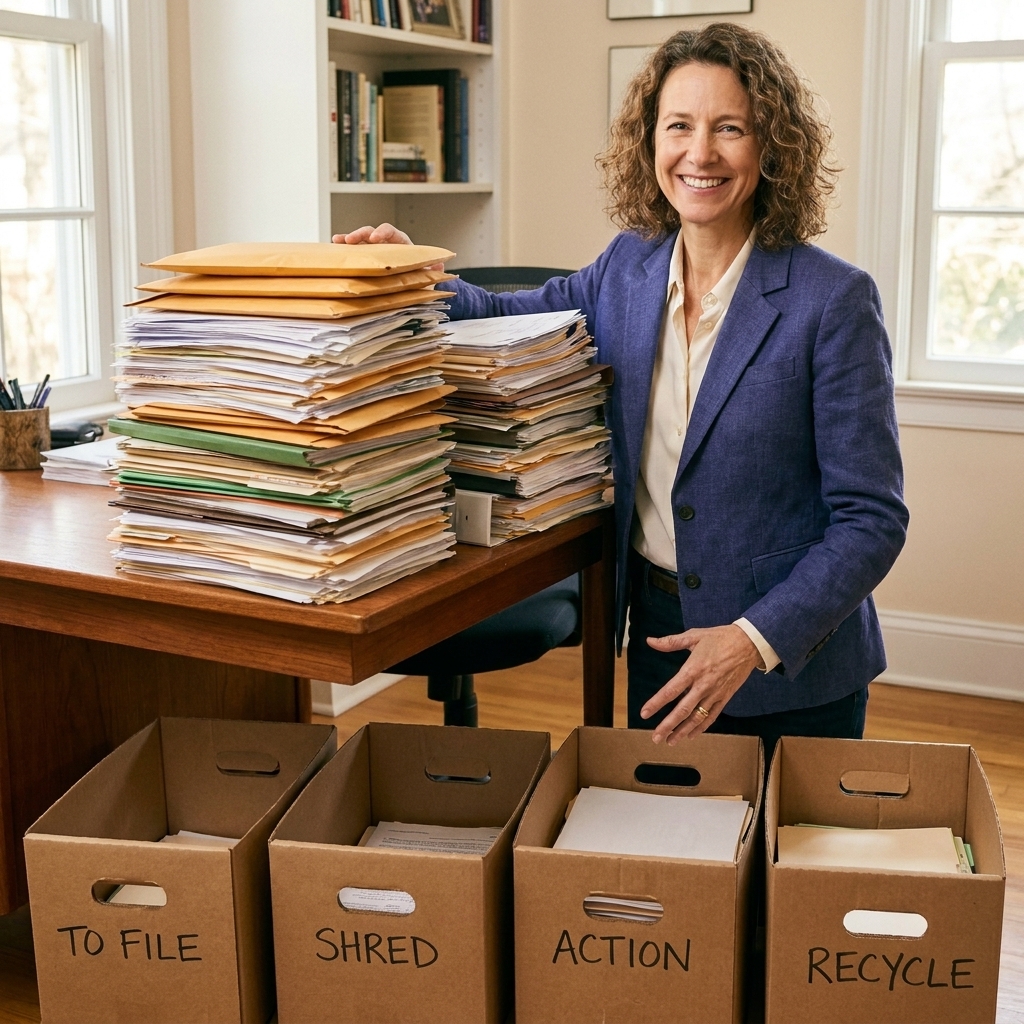
- Recycle: Paper, cardboard, electronics, and anything your area accepts.
- Relocate: It belongs elsewhere. Keep this pile small and move items immediately after the timer.
Step 3: Finish the cycle
The easiest way to stall out is to create “donate later” mountains. Tie the bag, put it in your car, schedule a pickup, or place it by the door. The system only works if items actually leave.

What to tackle first
If you want Swedish Death Cleaning to feel calm instead of heavy, sequence matters.
Start with low-emotion stuff
- Expired toiletries and makeup
- Duplicate kitchen tools
- Worn-out linens
- Mugs, water bottles, and random plastic containers without lids
- Old cords and “mystery chargers”
- Books you won’t reread
Then hit hidden storage
- Hall closet
- Garage shelves
- Under-bed bins
- That one spare room that became a “temporary” landing spot in 2019
Save for later
- Photos and memorabilia
- Heirlooms
- Childhood keepsakes
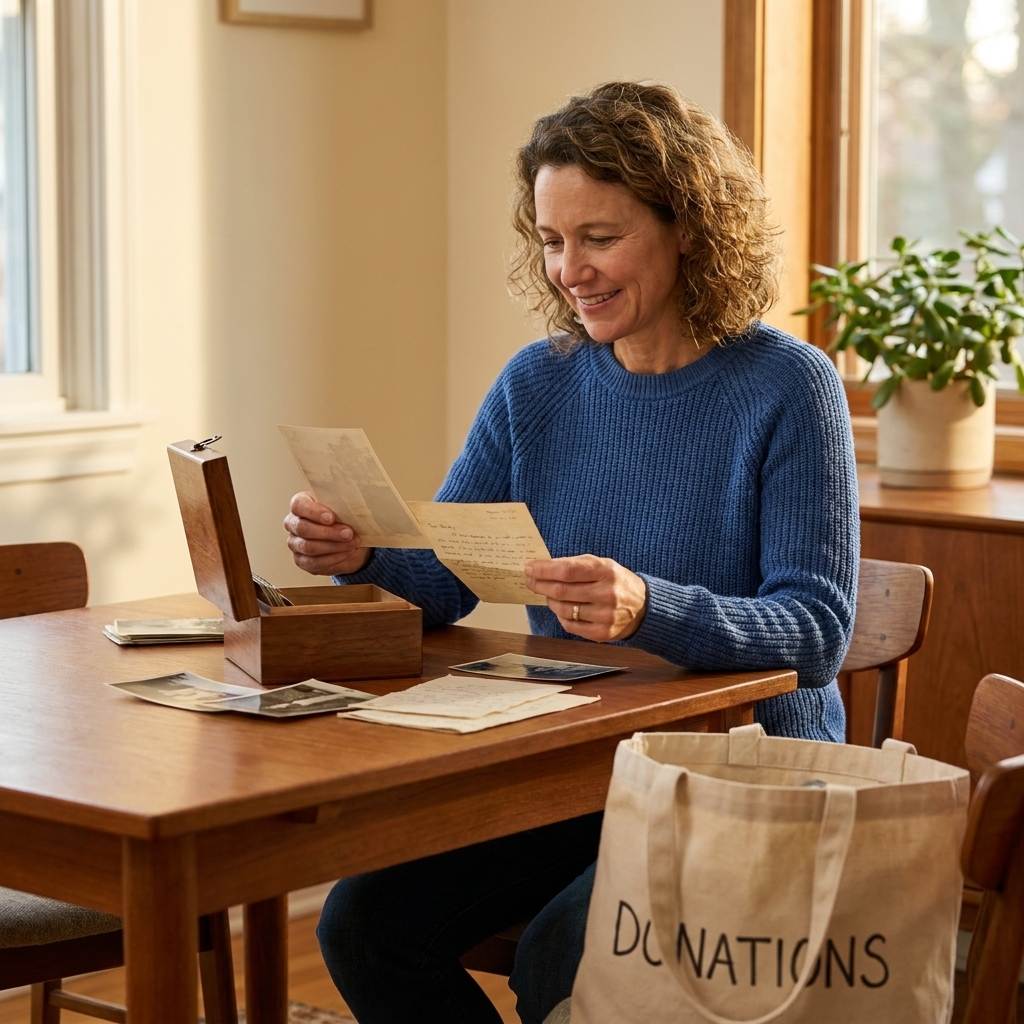
- Letters, cards, and sentimental clothing
Emotionally loaded items are easier once your home is already lighter. You’ll have more space to think, and less decision fatigue.
Room-by-room ideas
Entryway
This is where clutter multiplies fast. Create a simple “drop zone” that makes life easier for whoever lives with you now and whoever may need to manage your home later.
- Keep only one season of outerwear accessible.
- Limit shoes to what you actually wear weekly.
- Set up one small bin for keys, sunglasses, and dog gear.
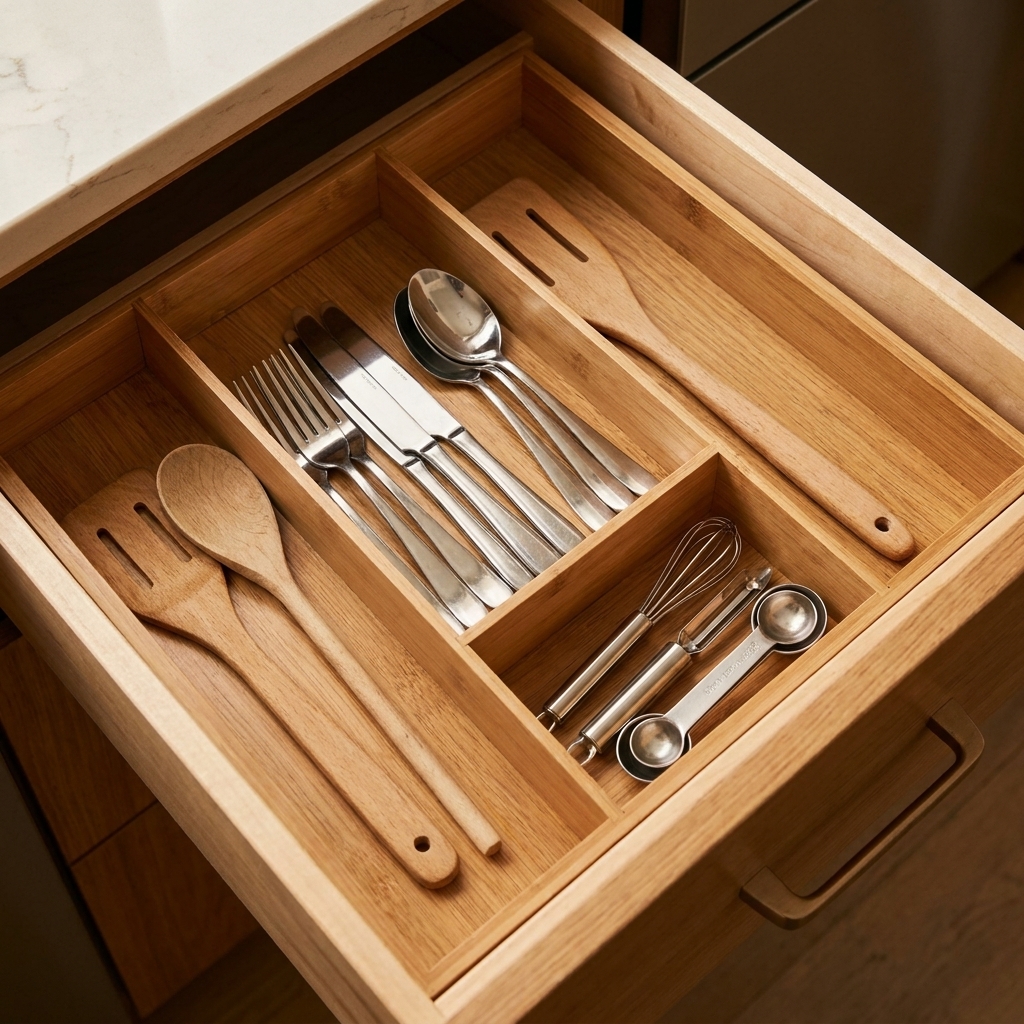
Kitchen
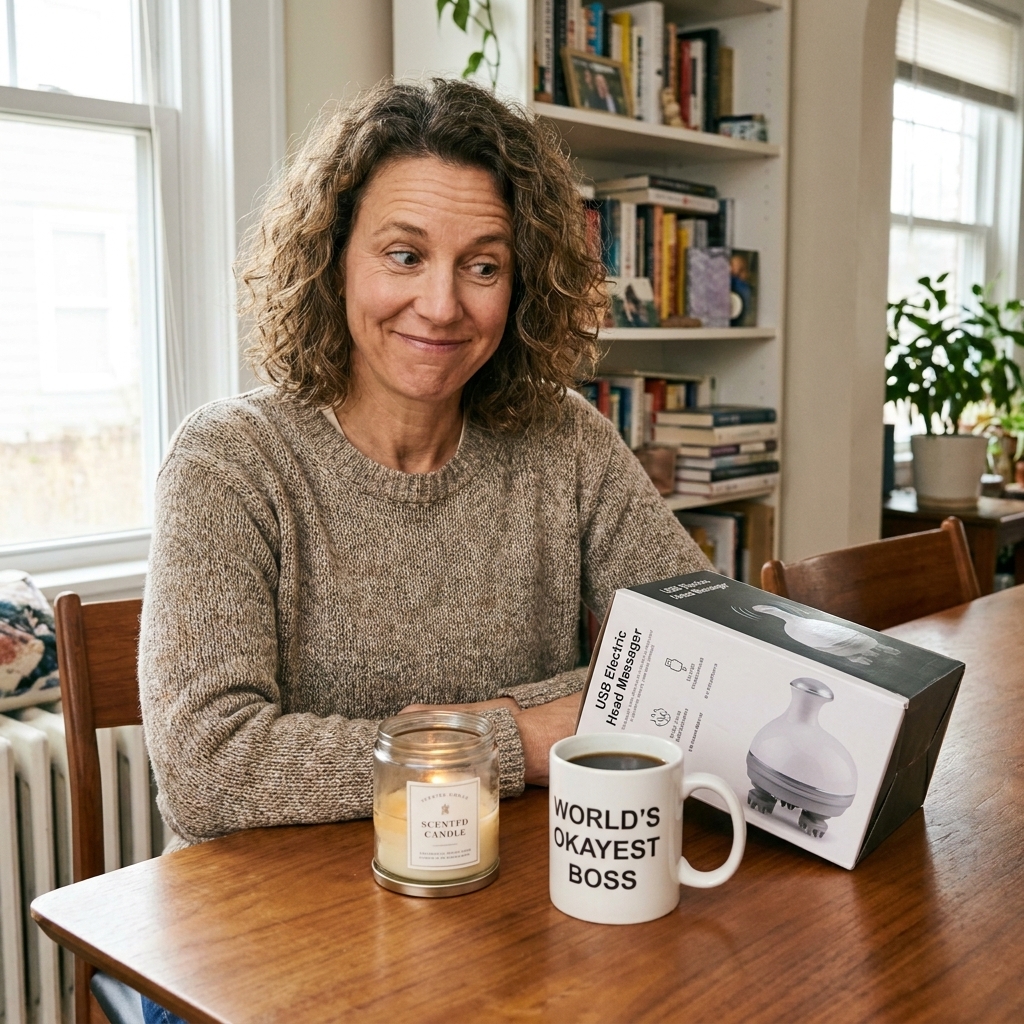
Kitchens often hold the most duplicates and guilt gifts.
- Pick one “best” of each tool (can opener, peeler, spatula) and let the extras go.
- Donate appliances you haven’t used in a year.
- Be ruthless with chipped mugs and scratched nonstick pans.
Bedroom closets
Swedish Death Cleaning in closets is less about having a capsule wardrobe and more about leaving behind a manageable amount of clothing.
- Keep what fits your current body and current life.
- Release “aspirational” outfits that require a different lifestyle to exist.
- Choose a small set of favorite accessories instead of keeping every maybe.
Bathroom
This is the easiest quick win.
- Toss expired medications responsibly (many areas have pharmacy take-back).
- Keep one open backup, not six.
- Let go of products you tried once and hated.
Home office and paperwork
This is where clutter becomes a burden fast.
- Shred outdated statements and manuals you can find online.
- Create one clearly labeled folder for vital documents.
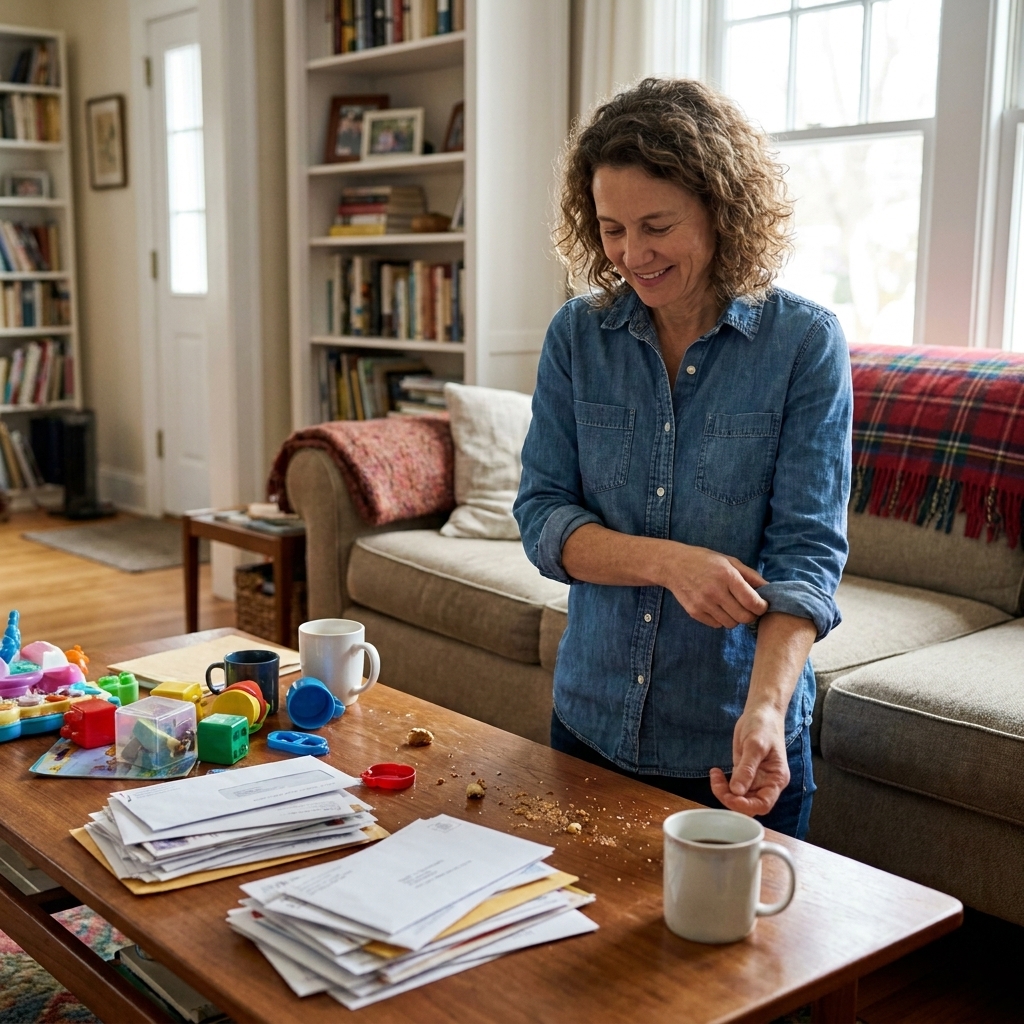
- Consolidate “floating papers” into one inbox tray, then process weekly.
Sentimental items
This is the heart of döstädning. It’s also where people get stuck, so let’s make it simple and kind.
Try the “small museum” approach
Instead of storing everything, create a curated collection. Think: a small, intentional exhibit of your life, not a warehouse.
- Pick one memory box per person (or per life era).
- Keep the best representative item, not every version.
- If you can’t display it, ask whether you need it.
Use photos to reduce bulk
You can take a few clear photos of bulky items (trophies, kids’ artwork, inherited sets) and keep the story without keeping the square footage.
Make a simple gift list
If there are items you want specific people to have, write it down. Better yet, talk about it. It’s far easier than leaving your family to guess what mattered to you.
Guilt and letting go
Guilt’s sneaky clutter glue. Here are a few realistic permission slips:
- Gifts: The gift did its job when it was given. You aren’t required to keep it forever.
- Inherited items: You can keep a small “essence” of the inheritance rather than all of it.
- Expensive mistakes: Keeping it doesn’t get your money back. Selling or donating can at least put it to use.
- Family expectations: Ask before you assume. Many relatives don’t want the full set of everything.
My go-to line when I’m wobbling: “I’m not throwing away love. I’m reducing maintenance.”
A slow schedule
You don’t need a monthlong overhaul. Here’s a pace that fits busy households and tired brains.
One hour a week
- Week 1: One drawer or shelf
- Week 2: One cabinet or bin
- Week 3: One closet section
- Week 4: Paper pile or photo stack (small)
Repeat. You’ll be shocked at the compound effect.
Pair it with a Sunday reset
If you already do a Sunday afternoon house reset, add one small “döstädning task” to it. Something like clearing a kitchen shelf or sorting one folder. It keeps the habit gentle and consistent.
Common mistakes
- Starting with sentimental items first. Fix: warm up on easy categories for 2 to 4 sessions.
- Making huge donate piles without a plan. Fix: schedule drop-offs or pickups before you start.
- Trying to decide the fate of every item at once. Fix: choose one zone and one timer.
- Confusing downsizing with deprivation. Fix: keep what supports your life today, and let go of what supports guilt.
FAQ
Is Swedish Death Cleaning only for older people?
No. The original context often focuses on later life, but the principles work for anyone who wants less clutter and fewer “someday” piles. Starting earlier simply makes it easier and calmer.
Is döstädning the same as minimalism?
Not exactly. Minimalism is often an aesthetic or lifestyle choice. Swedish Death Cleaning is a responsibility-based approach: reduce what would burden others and keep what genuinely matters.
How do I do this without upsetting my family?
Communicate early and gently, especially about heirlooms. If you want someone to have something, ask. If they don’t, believe them. A short conversation now saves a hard one later.
What should I never throw away?
This varies by person and location, but generally: vital documents (or secure digital copies), items legally required for identification, and anything with ongoing financial or legal importance. When in doubt, keep it in one clearly labeled folder until you confirm.
A kind way to start
If you want one tiny starting step, do this: pick one drawer and remove 10 items you no longer use. Toss the trash, set donations by the door, and put the keepers back neatly.
Döstädning isn’t about perfect organization. It’s about making your home easier to live in and easier to leave behind. That’s a gift to your family, and honestly, to your future self too.