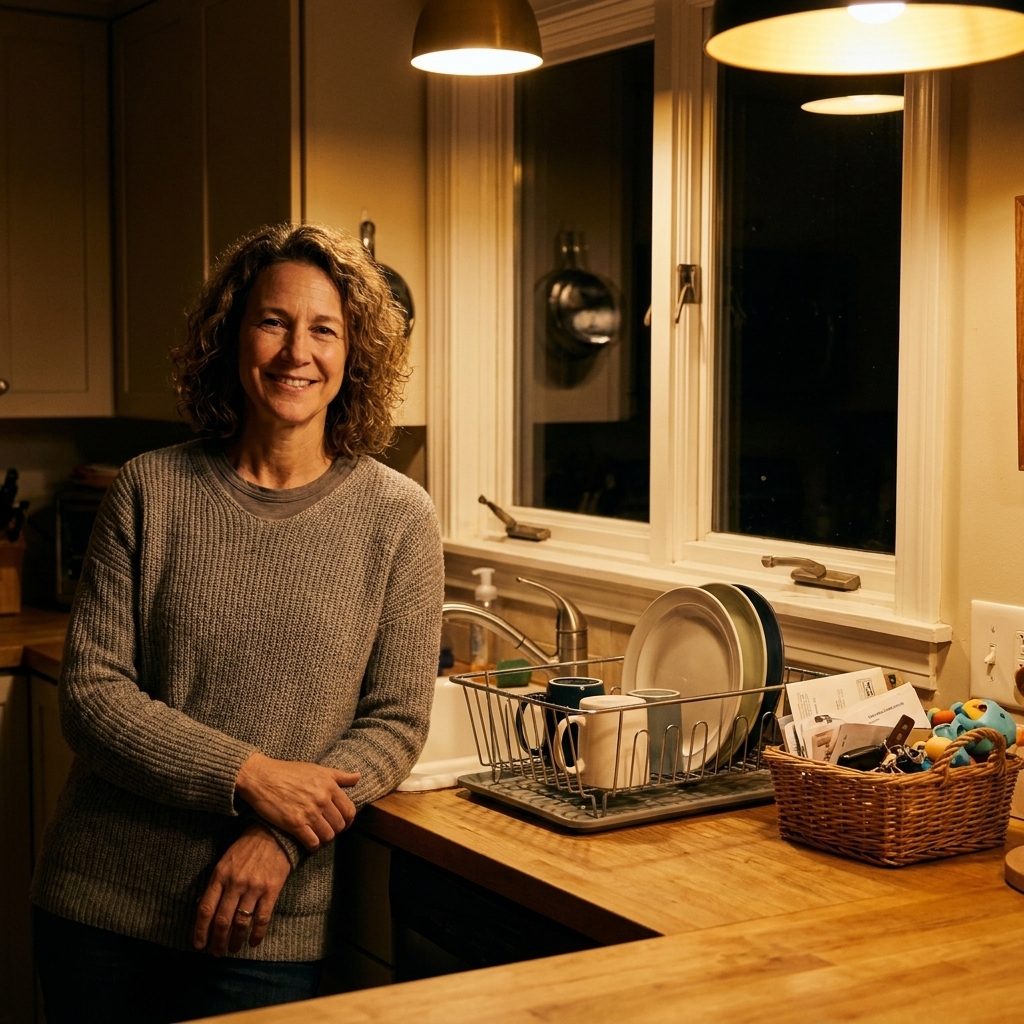
If you’ve ever set your mail on the counter “just for a second” and then watched it evolve into a full-blown paper ecosystem, welcome. This is the exact kind of chaos I used to live in: little temporary piles everywhere that somehow became permanent furniture.
The rule that changed my house the most was almost annoyingly simple: Don’t put it down, put it away. Not in a perfect, magazine-home way. In a real-life, kids-are-yelling, I’m-late, my-hands-are-full way.
This article is about making that rule actually doable, with a few psychology-adjacent tricks and a bunch of practical systems so “put it away” becomes your default.
Why we put things down
I used to think I had a willpower problem. I do not. You probably do not either. Most “put it down” moments happen for a few predictable reasons:
- Decision fatigue: When you’re tired or rushed, your brain tends to reach for the fastest option, which is usually the nearest flat surface.
- No clear home: If an item does not have an obvious, easy-to-reach spot, your counter becomes its home.
- Friction: One extra step (opening a closet door, moving a bin, walking to another room) can be enough to derail the habit, especially on busy days.
- Unfinished micro-tasks: “I’ll deal with this later” is a normal human thought, but it creates what I call clutter interest. Not a technical term, just my way of saying the mess compounds when you let it sit.
The fix is not trying harder. The fix is designing your home so “away” is easier than “down.”
The rule, in real life
“Put it away” can feel vague, especially when you are tired. Here’s the version I actually follow:
- Finish the cycle. If you used it, the task is not done until it’s back where it belongs.
- Aim for one touch. Touch it once, put it where it lives. No temporary surfaces when you can help it.
- Make the right thing the easy thing. If putting it away is annoying, your system needs tweaking, not your personality.
Also, a permission slip: sometimes “away” means “into the donation bag” or “into the recycling.” Away is still away.
Make “away” easy
This habit only sticks when your home has obvious landing spots. If you have to think, you will set it down. Here are the system upgrades that make “away” more automatic.
1) Make homes obvious
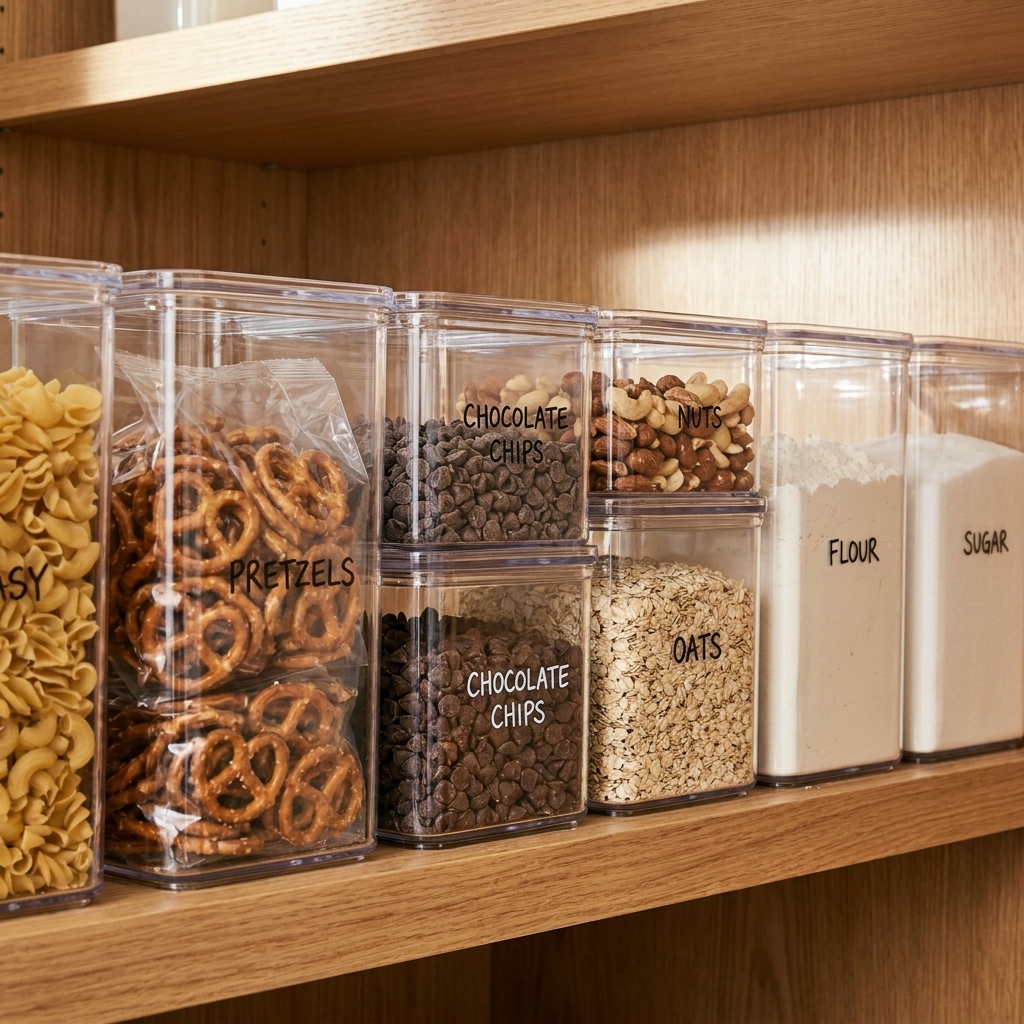
The best item homes have three traits: close, open, and sized right.
- Close: Stored where you naturally use it, not where you wish you used it.
- Open: Bins without lids, hooks instead of hangers, trays instead of deep drawers, when possible.
- Sized right: If a bin is too small, it becomes overflow. If it is too big, it becomes a junk magnet.
2) Reduce steps
If putting something away requires three actions, you will probably skip it when life gets loud. Common friction points and fixes:
- Coats: If the closet is packed, add wall hooks. Hooks are the MVP of busy homes.
- Paperwork: If filing is a whole project, switch to one inbox tray and a weekly 10-minute sort.
- Toys: If categories are too detailed, combine. “All dolls” beats “dolls by outfit type.”
- Kitchen counters: If appliances live on the counter because cabinets are annoying, move the least-used items out and give appliances one dedicated shelf.
3) Use contained drop zones
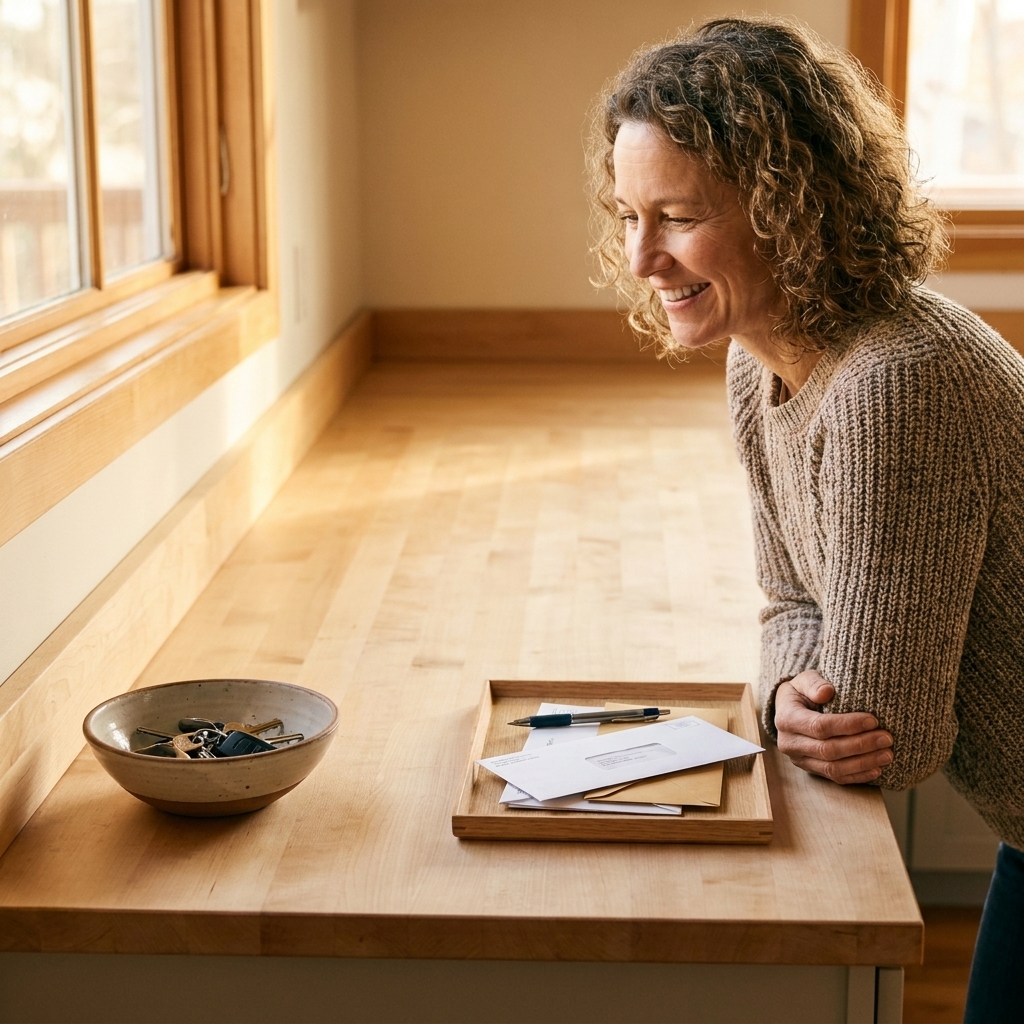
We set things down because we need a landing pad. So give yourself one, intentionally, in the places that generate clutter.
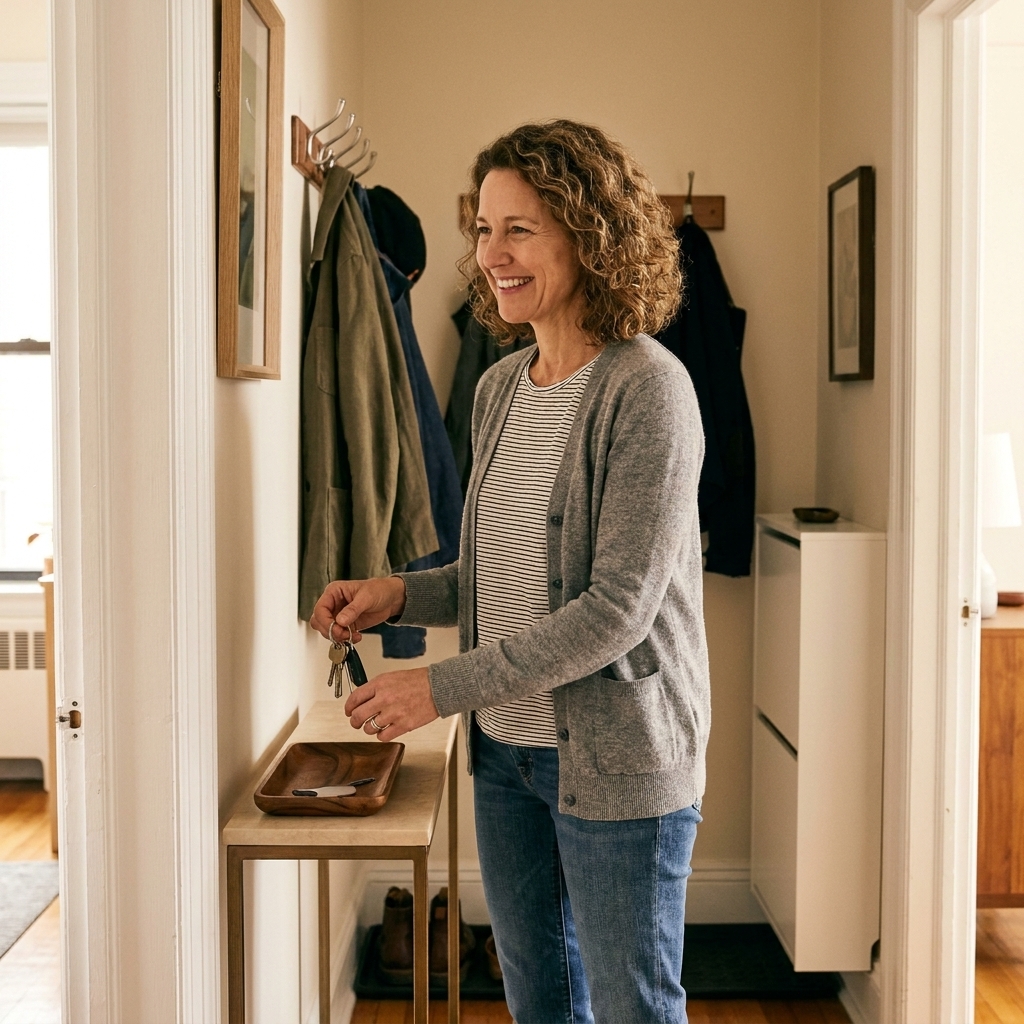
- Entry: keys, wallet, sunglasses, mail
- Kitchen: a tray for today’s paper, a bin for returns
- Bedroom: a small dish for jewelry, a hamper that is actually where clothes come off
- Bathroom: a cup for daily tools, a bin under the sink for backups
The rule is: drop zones must be contained. A tray, bowl, bin, hook, or basket. Not “the whole counter.”
Paper, simplified
Paper is where the rule goes to die, so here is a system that actually works in a normal house. The goal is not “perfect filing.” The goal is no roaming stacks.
The 3-bucket paper flow
- Trash/Recycle: junk mail and inserts go out immediately. Ideally you do this standing up, before paper touches a counter.
- Action: bills, school forms, RSVP cards. This goes in one inbox tray. When you process it, you either do it, pay it, sign it, or add it to a calendar.
- Keep: warranties, tax documents, medical forms. This can be a single folder or expanding file, not a whole filing cabinet if you do not want one.
If scanning is your thing, great. If it is not, also great. The win is keeping paper moving through a simple lane instead of breeding on your kitchen island.
Mind tricks that help
I love a good bin, but the brain piece matters. These little cues help me avoid creating piles.
The 2-minute closeout
If putting it away takes under two minutes, try doing it now. This covers most clutter offenders: shoes, mugs, scissors, backpack, hairbrush, toys, spices, that delivery box in the hallway.
Use a script: “Where does this live?”
I say it out loud sometimes. It interrupts autopilot. If you do not know where it lives, that is your signal to either:
- assign it a home right now, or
- admit you do not need it and let it go.
Pair it with an existing habit
Habit stacking is fancy talk for “attach it to something you already do.” Examples:
- After I make coffee, I clear the counter.
- After I brush my teeth, I do a 60-second bathroom reset.
- When I walk in the door, shoes go to the tray and keys go to the bowl.
- When I start dinner, I empty the sink of stray cups.
Make “away” visible (or at least easy)
When you can see the home, you tend to use it faster. Clear bins, open baskets, and front-facing trays help. If visual clutter stresses you out, do the opposite: use opaque bins with simple labels and keep the “open” part inside a cabinet or closet. Same idea, calmer vibe.
Hotspots and fixes
Entryway
Common temporary surfaces: console table, kitchen counter (because it is nearby), dining chair.
Try this:
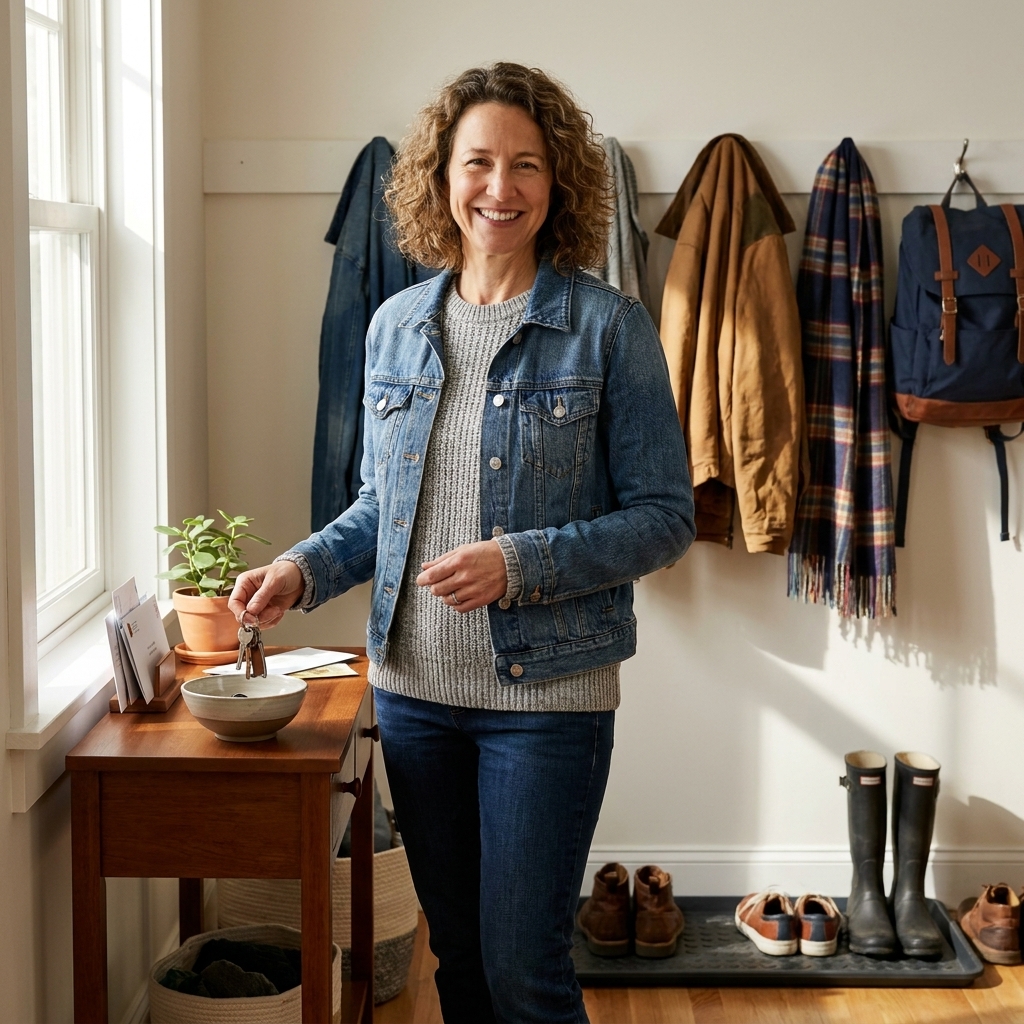
- Use 3 to 6 hooks at kid and adult height.
- Add a shoe tray or basket that holds only what fits.
- Use one key bowl and one mail tray. That’s it.
My reformed-messy truth: If you hate hanging coats, use hooks, not hangers. You are not lazy. You are human.
Kitchen
Common temporary surfaces: counters, stovetop, island.
Try this:
- Give paperwork a tray and pick a weekly time to process it.
- Create a “returns” bin so items do not roam the counter for weeks.
- Store daily items at point of use: mugs near the coffee maker, lunch boxes near the backpack zone.
- Keep one “today bin” in the pantry or a cabinet for items you are actively using this week (snacks, vitamins, school forms).
Living room
Common temporary surfaces: coffee table, side table, couch arms, fireplace mantel.
Try this:
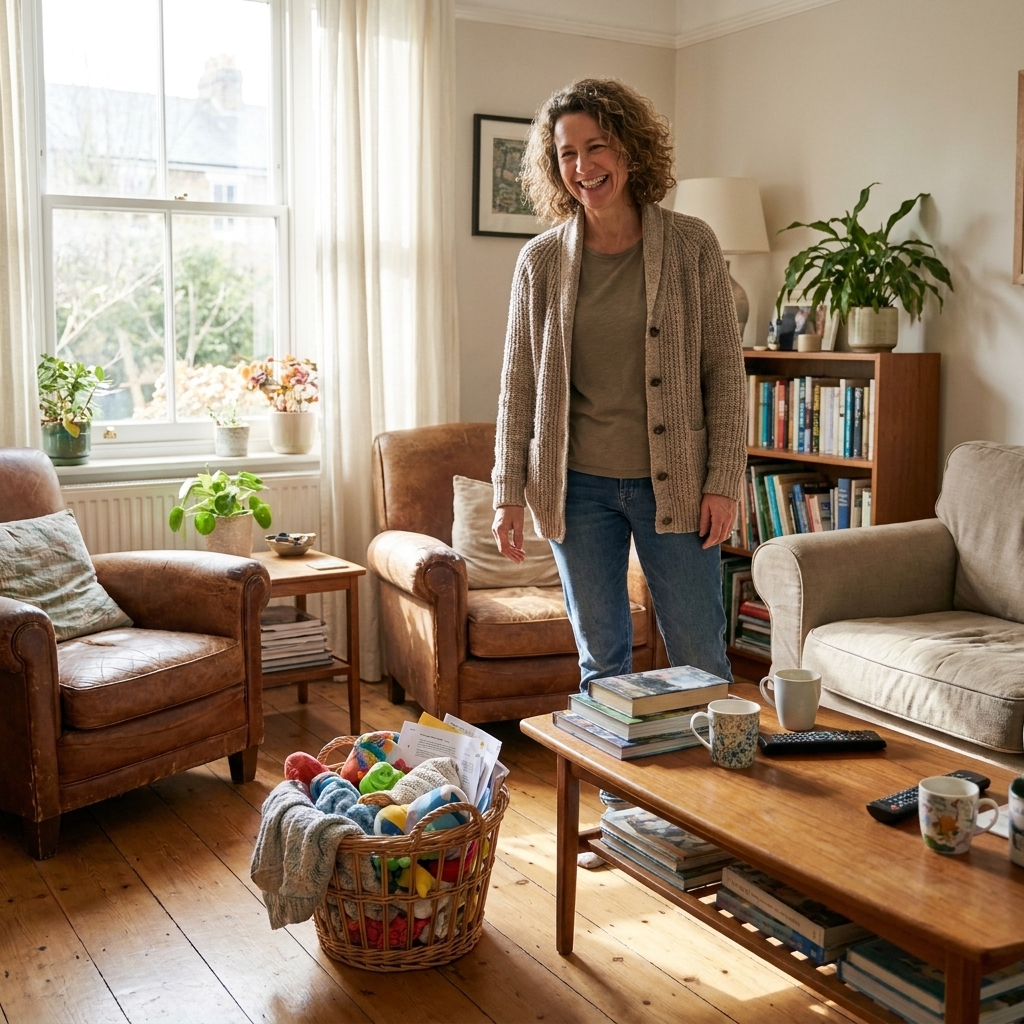
- Add a small basket for remotes and game controllers.
- Use a lidded basket or cube bin for kid toys that can be cleared in one scoop.
- Keep a catch-all tray for glasses and lip balm, then empty it nightly.
Bedroom
Common temporary surfaces: the chair, dresser top, nightstand.
Try this:
- Make the hamper the easiest place to toss clothes. If it is in a corner behind a door, it is not easy.
- Use one basket for “wear again” items. If it fills, it is laundry time.
- Keep a small dish for jewelry so it is not scattered across surfaces.
Bathroom
Common temporary surfaces: vanity counter, tub edge.
Try this:
- Use a cup or small bin for daily products and tools.
- Store backups under the sink in one bin so they do not creep onto the counter.
- Limit what lives on the counter to what you use every day.
When you already put it down
Because yes, it will happen. The win is recovering quickly instead of letting it become a pile.
Sweep and sort (about 3 minutes)
- Grab a basket and do a quick lap of the room, scooping anything that does not belong.
- Return items by category (all dishes, then all laundry, then all toys). Categories are often faster than item-by-item.
- Deal with the unknowns: anything without a home goes in a small “decide later” bin. Set a time to empty it.
This is also my favorite Sunday afternoon move. Not a deep clean, just a reset that makes Monday feel less crunchy.
Make it work with other humans
If you are the only one “putting it away,” the rule will feel like punishment. The goal is shared systems, not shared guilt.
Use fewer categories
Kids and busy adults do better with broad buckets. Try:
- One bin for LEGO, one for dolls, one for vehicles, one for art.
- One hook per person at the door.
- One backpack spot, not “anywhere near the kitchen.”
Teach the home
Instead of “clean up,” try: “Shoes live in the tray,” “Backpack lives on that hook,” “Scissors live in this drawer.” When the home is consistent, the habit follows.
Do a nightly 8-minute reset
Set a timer. Everyone resets one zone. It is shockingly effective and does not require perfection.
Common snags
“I keep leaving things on the stairs.”
The stairs are a classic limbo zone. Put a small basket at the bottom for “upstairs items” and commit to taking it up once a day. If you have little kids, do it before bedtime.
“I have nowhere to put it.”
That usually means you have too much for the space, or you have not assigned homes. Choose one:
- Declutter that category by 10 to 20 percent.
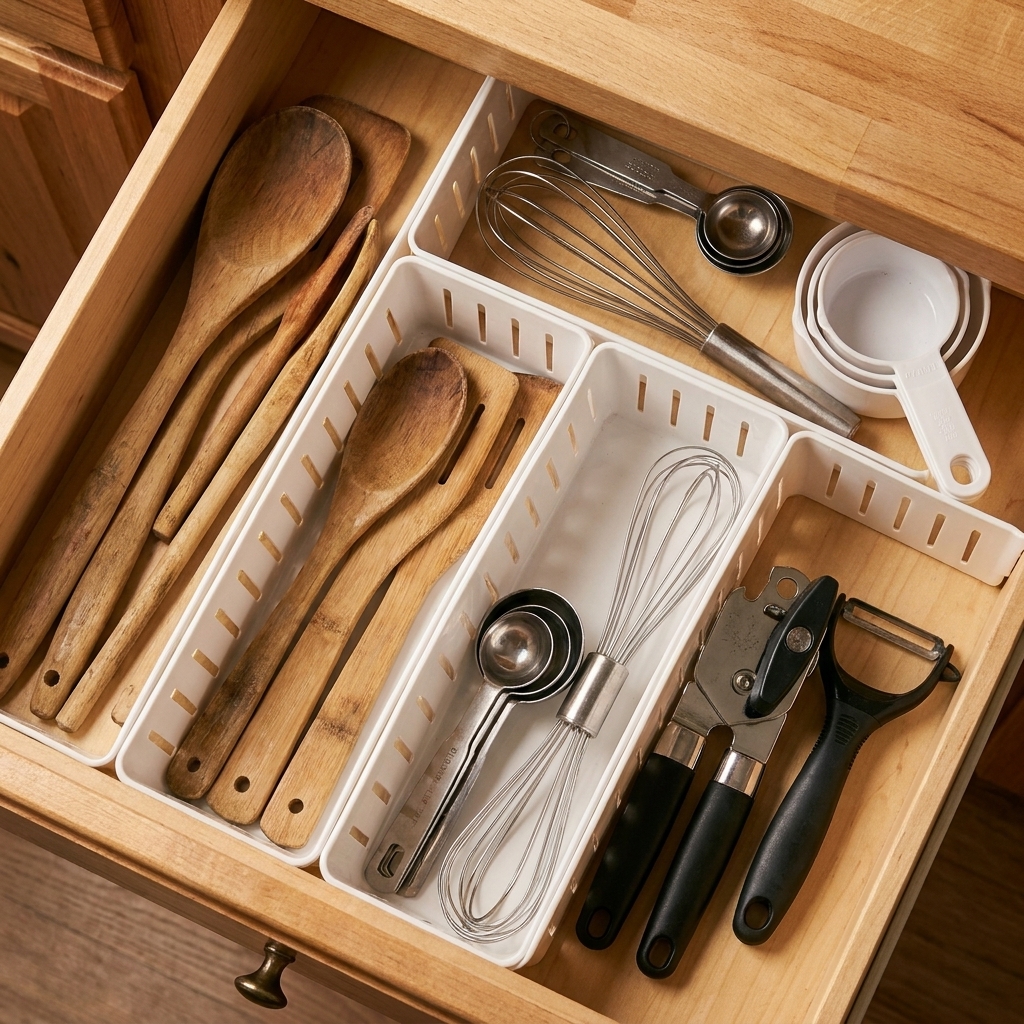
- Add one container (drawer divider, bin, basket) and mentally label it by purpose.
- Move the item closer to where it is used.
“I put it away, but it never stays organized.”
That is often a container problem. Your storage is not matching your volume. Upgrade the container, reduce the volume, or both. I lean heavily on inexpensive drawer dividers and clear bins for this exact reason.
“I’m constantly putting other people’s stuff away.”
Two fixes help immediately:
- Ownership bins: one small bin per person in a central spot. If you find their stuff, it goes in their bin. They empty it daily.
- Fewer shared surfaces: clear off the dining table and keep it clear. One protected surface is worth its weight in gold.
“Installing hooks isn’t an option.”
If you rent, have plaster walls, or just cannot deal with a drill right now, try:
- Command hooks (check the weight rating and follow the directions).
- An over-the-door rack for coats and bags.
- A freestanding coat tree, even if it is temporary.
Make it accessible
If you have mobility limits, chronic pain, or just a season of life where fewer trips matters, the rule still works. It just needs fewer miles.
- Create seated stations: a small basket next to your favorite chair for daily items that tend to drift.
- Use lightweight containers: fabric bins, small baskets, nothing that hurts to lift when full.
- Think in batches: one larger reset pass later can beat constant back-and-forth all day.
A simple 7-day challenge
If you want to turn this into muscle memory, try this low-drama plan:
- Day 1: Make an entry drop zone (hooks, key bowl, shoe tray).
- Day 2: Choose one “no pile” surface (coffee table or kitchen counter) and keep it clear for 24 hours.
- Day 3: Assign a home to 10 homeless items (scissors, tape, chargers, hats).
- Day 4: Add one container that removes friction (drawer divider, bin, basket).
- Day 5: Do the sweep and sort once.
- Day 6: Do an 8-minute nightly reset with a timer.
- Day 7: Walk your home and fix the top three temptation surfaces with a tray, hook, or bin.
By the end, you will not be a different person. You will just have fewer places for clutter to land, and a better default response when your hands are full.
FAQ
Is “don’t put it down, put it away” realistic with kids?
Yes, with the right expectation. The rule works best when “away” is easy: open bins, hooks, and broad categories. If a five-year-old needs to open a lid, sort by micro-category, and reach a high shelf, it will not happen.
What if I’m exhausted and just can’t?
Use a safety net: one basket per main area. When you are done for the day, toss the stray items in the basket. Then do a quick return pass in the morning or during your next reset.
Do I need labels?
Not always. Clear bins help because you can see what belongs. Labels can help for shared spaces, kid zones, and pantry bins, but the real key is making homes consistent and easy to access.
Fewer decisions, not a perfect house
I am still not naturally tidy. I am just someone who got tired of cleaning up the same mess over and over. “Don’t put it down, put it away” is not about being strict. It is about closing the loop so clutter stops multiplying while you live your life.
Start with one surface. Add one drop zone. Reduce one friction point. That is how this becomes a habit that sticks, even in a busy, imperfect, very real home.