If your kitchen island has turned into a paperwork peninsula and your dining table is basically a landing strip for backpacks, keys, and half-sorted mail, you are not alone. Flat surfaces tend to be clutter magnets because they are convenient, eye-level, and always available. And if you are a fellow reformed messy person (hi, it is me), you already know that convenience wins unless you build a better kind of convenience.
This is the cure: a few clear rules that make it easier to not set things down in the wrong place, plus tiny daily habits that keep the piles from forming in the first place.

Why flat surfaces attract clutter
Clutter loves counters and tables for three very human reasons:
- They are decision-free. Setting something down takes zero brainpower. Putting it away requires a decision.
- They are visible. We tell ourselves, "I will deal with it later," because seeing it feels like a reminder.
- They are shared space. When a surface belongs to everyone, it quietly belongs to no one. That is when piles multiply.
The goal is not perfection. The goal is to make the right spot easier than the counter.
The 6 rules that keep counters and tables clear
Rule 1: Give every surface a job
A surface with no job becomes a storage unit. Assign jobs like these:
- Kitchen counters: food prep and daily cooking tools only
- Kitchen island: prep plus one intentional zone (like fruit or a small tray)
- Dining table: eating, homework during a set window, then cleared
- Coffee table: current use only (remote, one book, one candle, that kind of vibe)
If an item does not support that job, it does not live there.
Rule 2: Anything you leave out needs a container
This is my favorite rule because it is simple and weirdly powerful: if something is going to sit out between uses, it must be inside a defined boundary.
This rule is not for active stuff you are using right now (cutting board, mixing bowl, tonight’s dinner ingredients). It is for the in-between stuff that quietly becomes a pile.
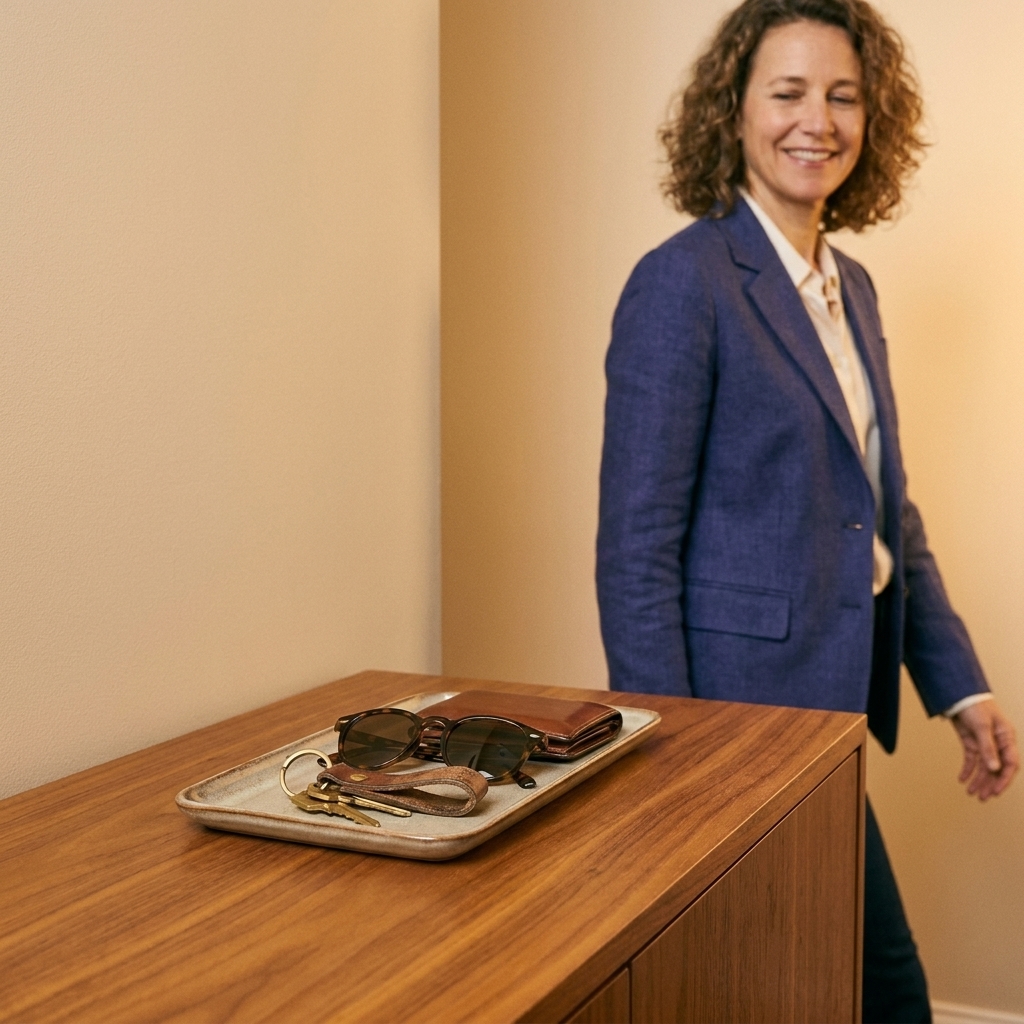
- A tray for keys and sunglasses
- A small bowl for loose change
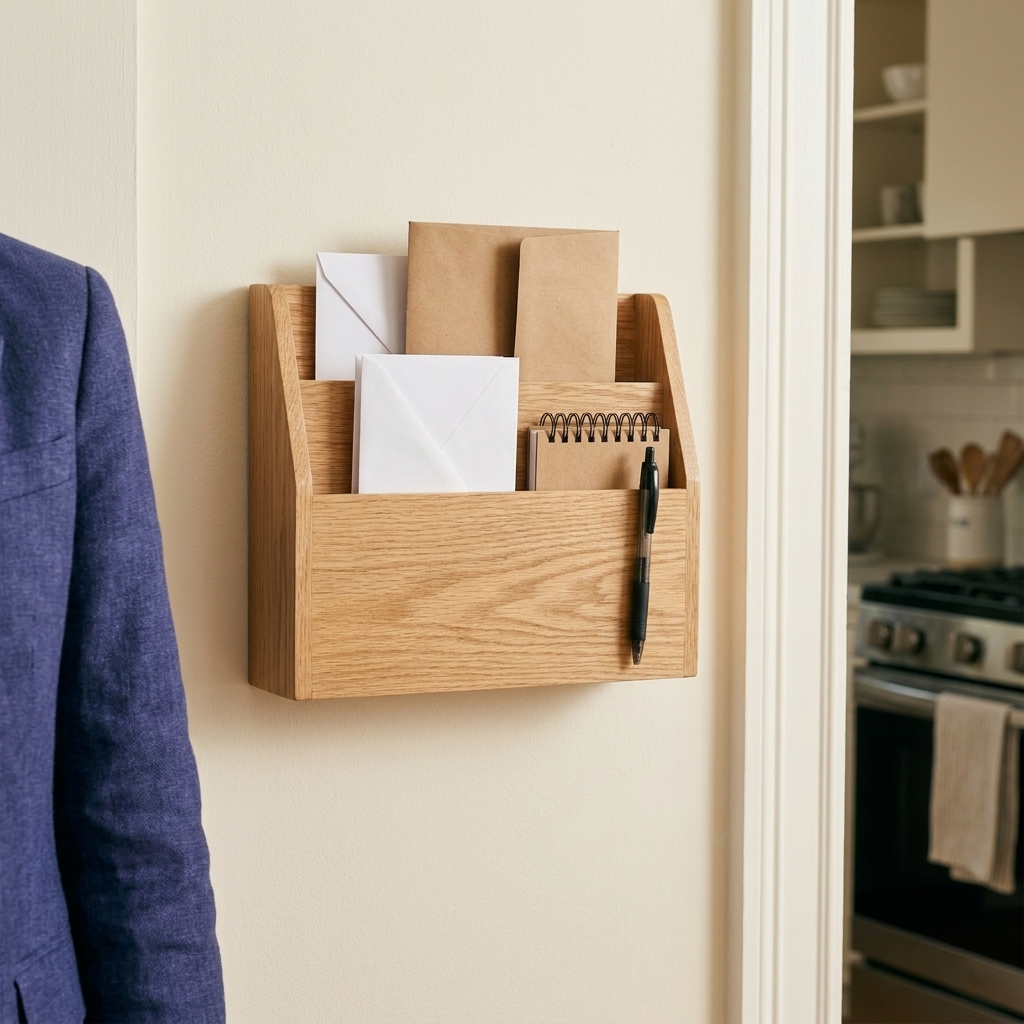
- A paper sorter for mail
- A bin for school forms that need signatures
Boundaries shrink clutter. They also make "putting it away" feel quick and frictionless.
Rule 3: One-touch mail (most of the time)
Mail is the sneakiest counter squatter. The solution is not a bigger pile. It is a rule: handle each piece once when you can.
- Trash: junk mail goes straight into recycling
- Act: anything that takes under two minutes gets done immediately (scan it, schedule a payment, add the date to your calendar, text the school back)
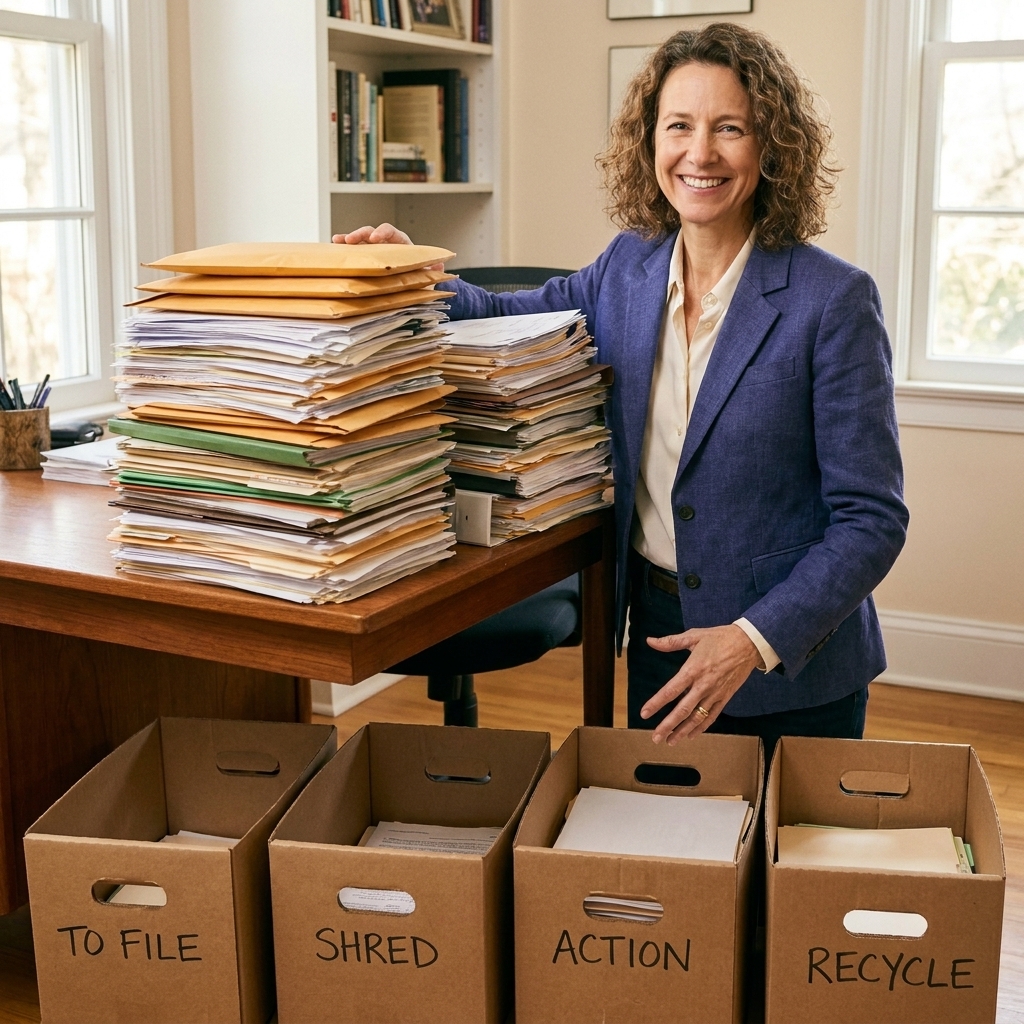
- File: keep file-worthy papers in one folder or a slim file box
- Hold: forms that need signatures go into one labeled bin
Real-life exception: some papers require a second touch because you are waiting on info, a billing cycle, or another person. That is fine. The win is giving those items a specific hold spot so they do not spread across the counter.
Important note from a former mail-piler: you do not need a full filing cabinet system. You need a single place where paper can land without multiplying.
Rule 4: Nothing lives on the table overnight
This is the line in the sand that changes everything. When tables become long-term storage, clutter feels permanent. When tables reset overnight, your brain gets a fresh start every morning.
If you have kids or roommates, make it a household default: the table resets before bed. Not spotless. Just clear enough that you could eat breakfast without shuffling stacks.
Rule 5: Create a landing zone that beats the counter
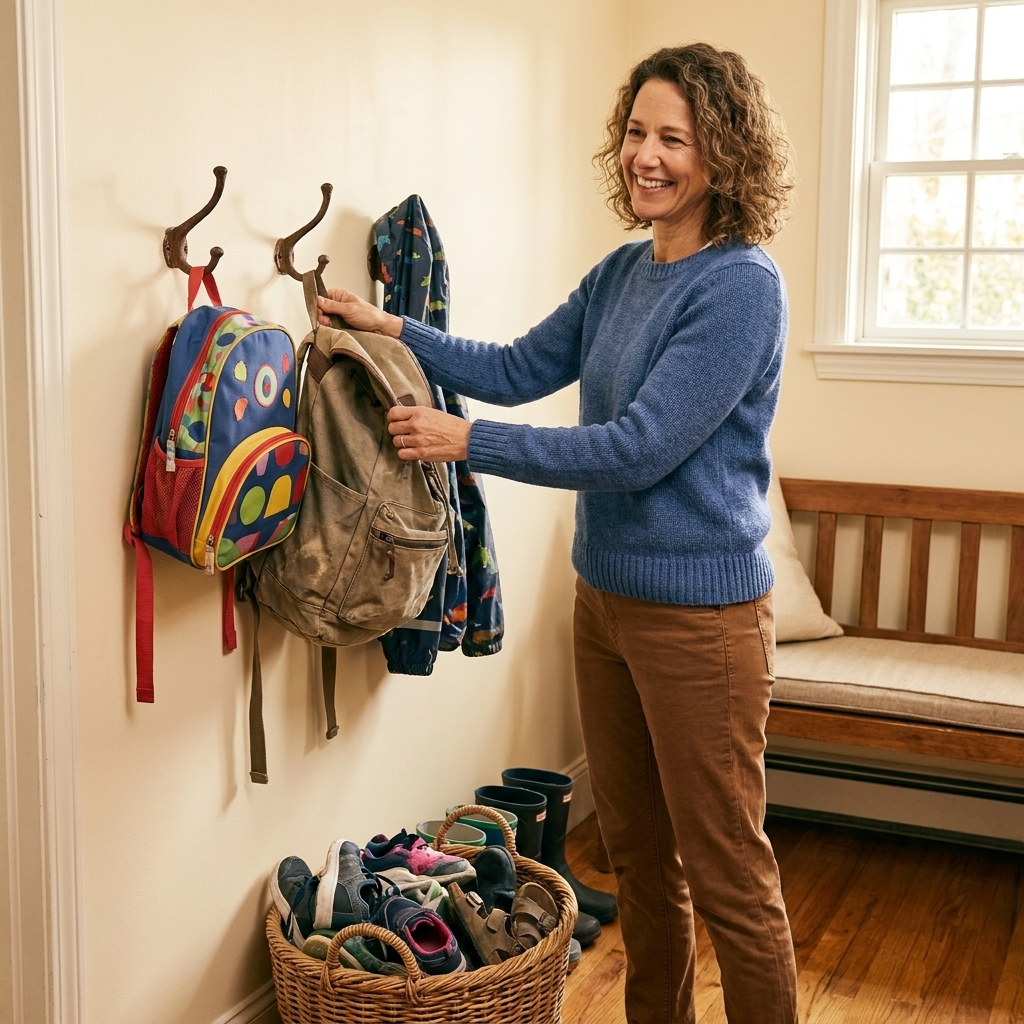
Most counter clutter is actually arrival clutter. People walk in, drop items, and keep moving. So give arrivals a home.
A landing zone can be tiny. It just has to match how you actually come in the door.
- Keys: hook or tray
- Wallet: tray or small bin
- Bags: hooks at kid height, or a basket under a bench
- Shoes: mat and basket, or a simple rack
- School papers: one bin per kid
If your landing zone is across the house, your island will keep “helping.” Put the landing zone where the clutter currently lands.
Small space or renting? You can still do this with Command hooks, a slim shoe rack, and a wall-mounted mail pocket.
Rule 6: If you set it down, pick it up next pass
Think of your home like a loop. In lots of layouts, you pass through the kitchen and main living areas constantly, which is why counters collect stuff. Use that to your advantage.
Make a rule that is gentle but firm: when you leave the room, take one thing with you. One mug to the sink. One jacket to the hook. One paper to the mail spot. It adds up fast, and it does not require a big cleaning session.
Before you buy containers
A quick reality check from someone who has absolutely tried to “organize” clutter into prettier clutter: do not containerize stuff you do not want to keep.
Before you add a tray, bin, or basket, do one fast pass:
- Trash: obvious garbage and expired papers
- Return: dishes and cups to the kitchen
- Relocate: anything with an easy home
- Decide: if you do not even like it, use it, or need it, let it go
Then buy the smallest container that solves the actual problem. Not the one that looks cutest in the aisle.
Set up the Counter Clean Starter Kit
You do not need fancy products. You need a few tools that make your rules easy to follow.
- One tray (keys, wallet, sunglasses). Acrylic looks clean, but anything works.
- One paper catcher (a vertical file, wall sorter, or slim bin).
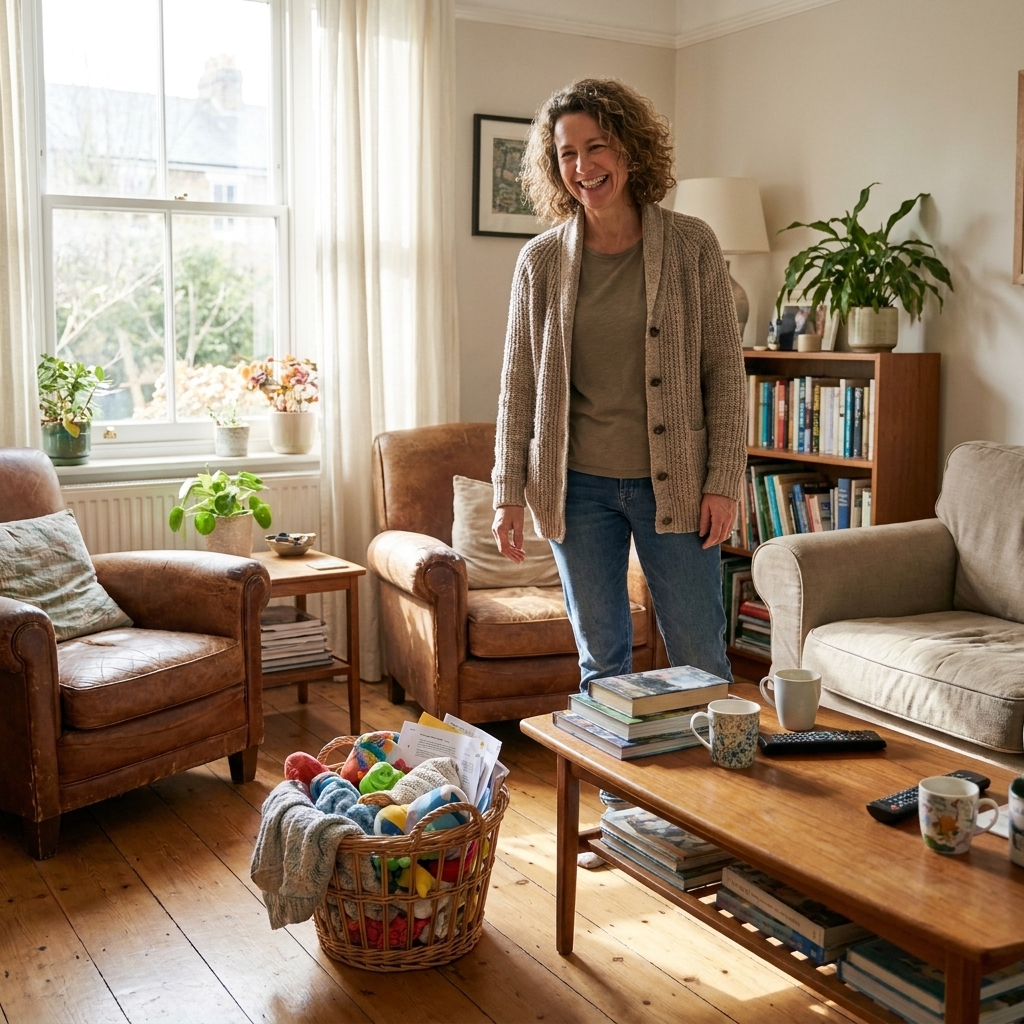
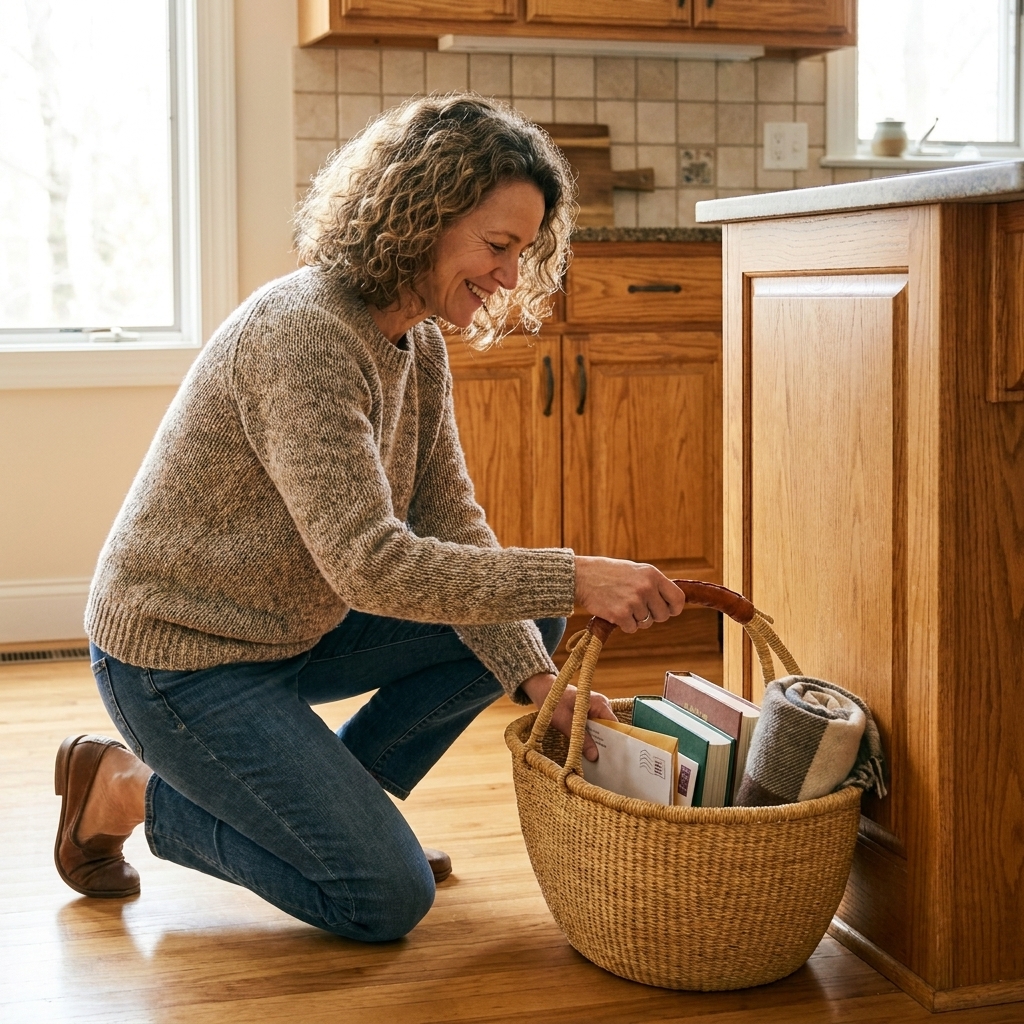
- One relocate bin (a handled basket for stuff that belongs elsewhere).
- One drawer divider (for the small items that otherwise live out in the open).
That relocate bin is the secret weapon. Instead of putting 12 things away in the moment, you scoop them into the bin and do a quick round later.
The 5-minute flat surface reset
This is the routine that keeps everything from backsliding. Set a timer for five minutes and do this in order:
- Trash and dishes first. Clear the obvious stuff.
- Paper sweep. Move mail and school forms into the paper catcher.
- Return the wanderers. Put away items that have an easy home.
- Relocate bin for the rest. Scoop anything that belongs in another room.
- Wipe. A quick wipe makes the space feel finished, which helps it stay that way.
If you only get through steps 1 to 3, you still win. Consistency beats intensity.
Common counter clutter and what to do instead
Keys and sunglasses
Fix: One tray or hook at the exact drop point. If you have two regular drop points, you get two trays. That is not “extra,” that is realistic.
Water bottles and coffee cups
Fix: A dedicated bottle zone inside a cabinet, or one small bin in the fridge for grab-and-go drinks. For cups, pick a daily “cup home” that is not the counter, like a drying mat that gets emptied each evening.
Backpacks and sports gear
Fix: Hooks. Always hooks. If hooks fail, you need more hooks or lower hooks. Pair with one basket for the weird extras (shin guards, gloves, practice jerseys).
Small appliances that creep out
Fix: Choose one “appliance zone” and commit. If everything is out because cabinets are jammed, declutter one shelf and create a simple appliance garage: a cleared cabinet or shelf where appliances can live (stored, or even plugged in if the outlet situation allows).
Random “I do not know where this goes” items
Fix: A tiny, contained “pending” bin. If it does not get claimed by the end of the week, it gets a real home or it gets donated.
If you live with other humans
Surface clutter is often a household habit, not a personal flaw. A few ways to make this work with kids, partners, roommates, and visiting relatives:
- Make the right thing the easy thing. Hooks at the correct height. A tray that is visible. A bin that is open.
- Use fewer words. “Keys in the tray.” “Paper in the sorter.” Simple beats lectures.
- Label if needed. Not on everything. Just on the bins that stop daily arguments.
- Agree on one non-negotiable. Mine is the dining table reset overnight. Pick one rule that matters most.
Troubleshooting
The pile is always the same kind of stuff
That is good news. It means you have a systems problem, not a motivation problem. Create a home for that category within arm’s reach of where it lands.
I cleared it, but it refills by lunchtime
Two possibilities: your landing zone is not convenient enough, or you have too many items without homes. Start with convenience first, then declutter.
I have no storage space
Use vertical space and micro-containers:
- Command hooks
- Wall-mounted mail pockets
- Over-the-door hooks
- Drawer dividers to move small items off counters
My counters are the only workspace
Totally fair. The goal is not “nothing on the counter.” The goal is “only what you are using right now.” A relocate bin and a paper sorter will still do heavy lifting here.
I use my counters for food prep
If mail and papers keep landing near where you chop and cook, treat that as a system emergency. Move paper to a landing zone or wall sorter so your prep area stays clear, cleaner, and easier to wipe down.
Quick FAQ
Is it okay to keep a few things on the counter?
Yes. Think “intentional and contained.” A coffee maker in its zone, a fruit bowl, and a small tray is very different from a spread-out pile.
How do I keep my dining table clear when we use it for homework?
Create a homework caddy. When homework time ends, everything goes into the caddy and the table resets. A handled bin works great.
What if I miss a day?
Then you restart the next day. The magic is not never slipping. The magic is having a simple reset that gets you back to clear surfaces without a whole weekend project.
Your next tiny step
If you do nothing else, do this: pick one surface that is driving you the craziest and give it a job plus one container. That is it.
Clear surfaces are not a personality trait. They are a system. And once your home has a few reliable drop zones, your counters and tables can go back to being what they were meant to be: functional, calm, and actually usable.