Tension rods are one of those humble little tools that quietly save your sanity. No drilling, no permanent hardware, and they fit into the weird little in-between spaces where clutter loves to multiply.
I am not naturally tidy. I am the person who used to shove everything under the sink and pretend it was “organized” because the cabinet door closed. Tension rods helped me build real systems in a way that feels renter-friendly and realistic. Below are 10 unexpected ways to use them for storage in kitchens, closets, and laundry areas, plus a few tips so they actually stay put.
Before you start: pick the right rod
Most tension rod “fails” are really just mismatched rods or slippery surfaces. A few quick checks will save you the frustration of hearing a rod clatter down at 2 a.m.
- Measure the inside width of the space and buy a rod whose adjustable range includes it, with room to tighten.
- Check the weight rating. If you want to hang anything heavier than a few cloths, look for a heavy-duty rod and stay within the listed limit.
- Look at the ends. Rubber or silicone ends grip better on smooth surfaces.
- Clean the surfaces where the ends will press. A quick wipe with rubbing alcohol helps grip.
- Watch for obstructions. Avoid placing rods where they block plumbing shutoff valves, outlets, or fridge vents and airflow.
- Wipe rods occasionally. Grease, dust, and cleaner residue can reduce grip over time, especially in kitchens and under sinks.
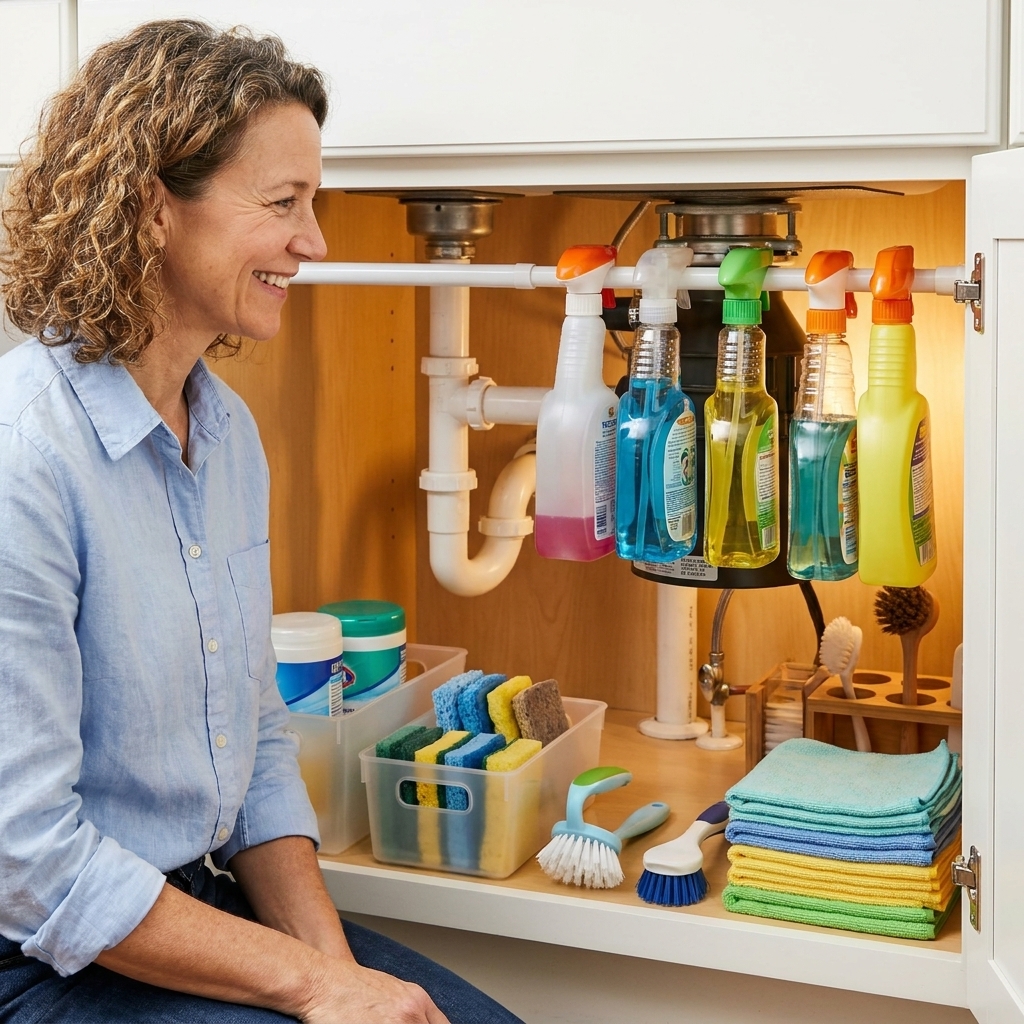
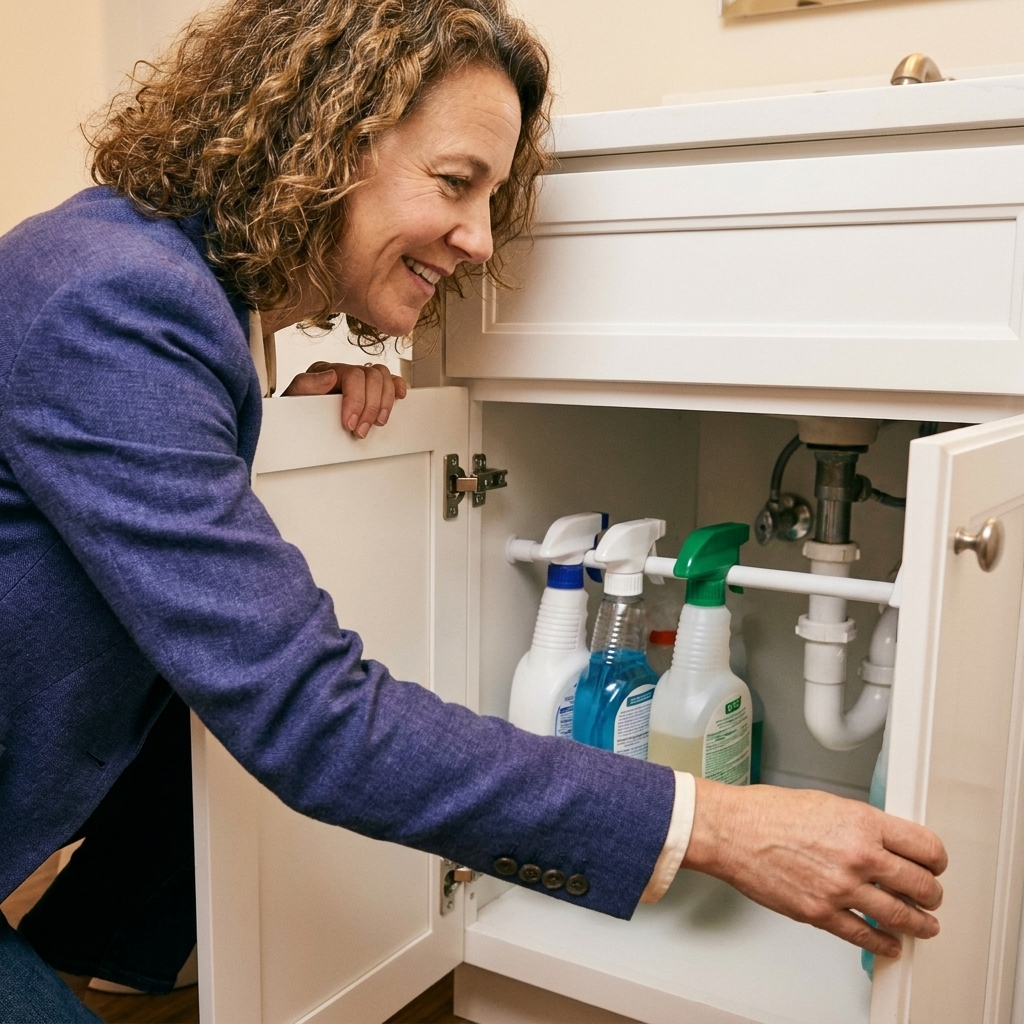
1) Hang spray bottles under the sink
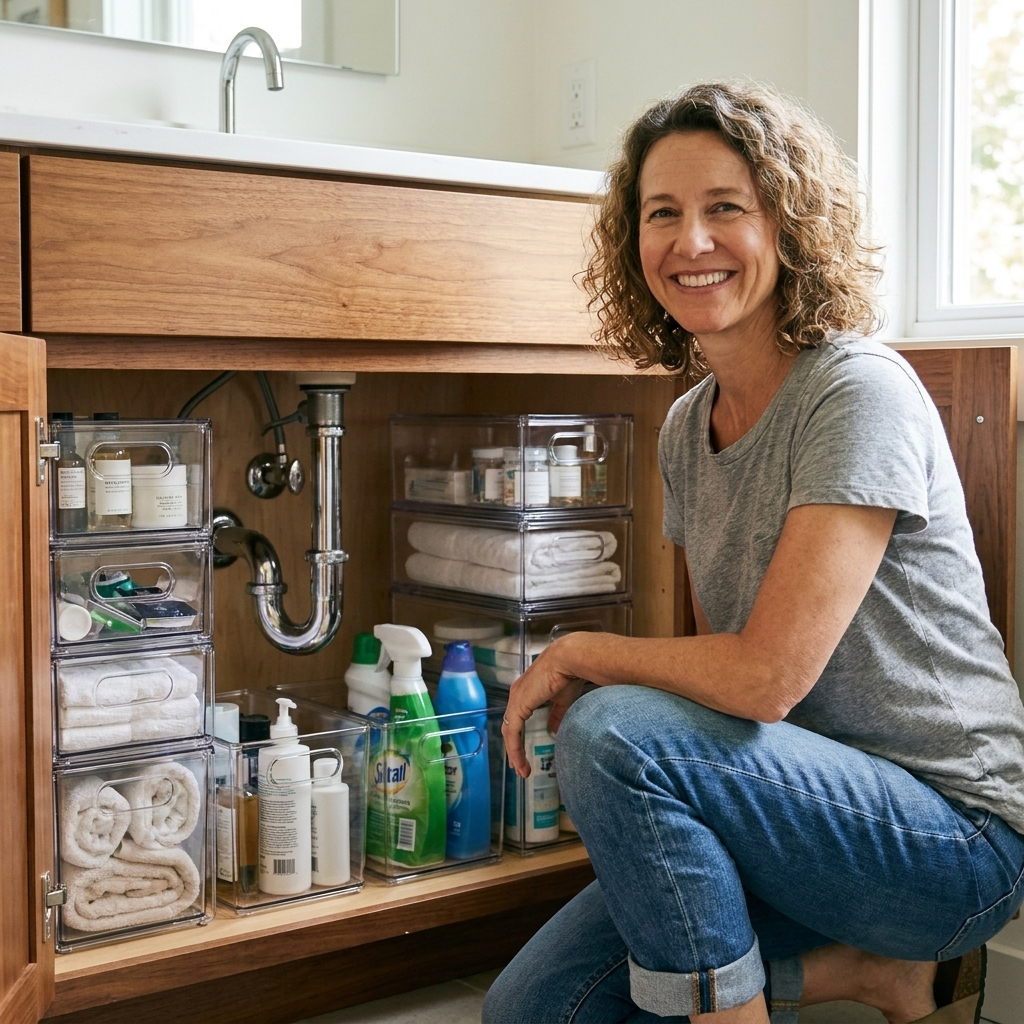
This one is my under-sink instant win. Install a tension rod across the cabinet and hang spray bottles by their trigger handles. It gets bulky bottles off the floor of the cabinet so you can actually see what you have.
How to make it work
- Place the rod high enough that the bottles do not bump into the cabinet bottom.
- Leave a little space on one side for tall items like dish soap refills.
- If your cabinet has plumbing in the way, set the rod slightly forward, closer to the cabinet doors.
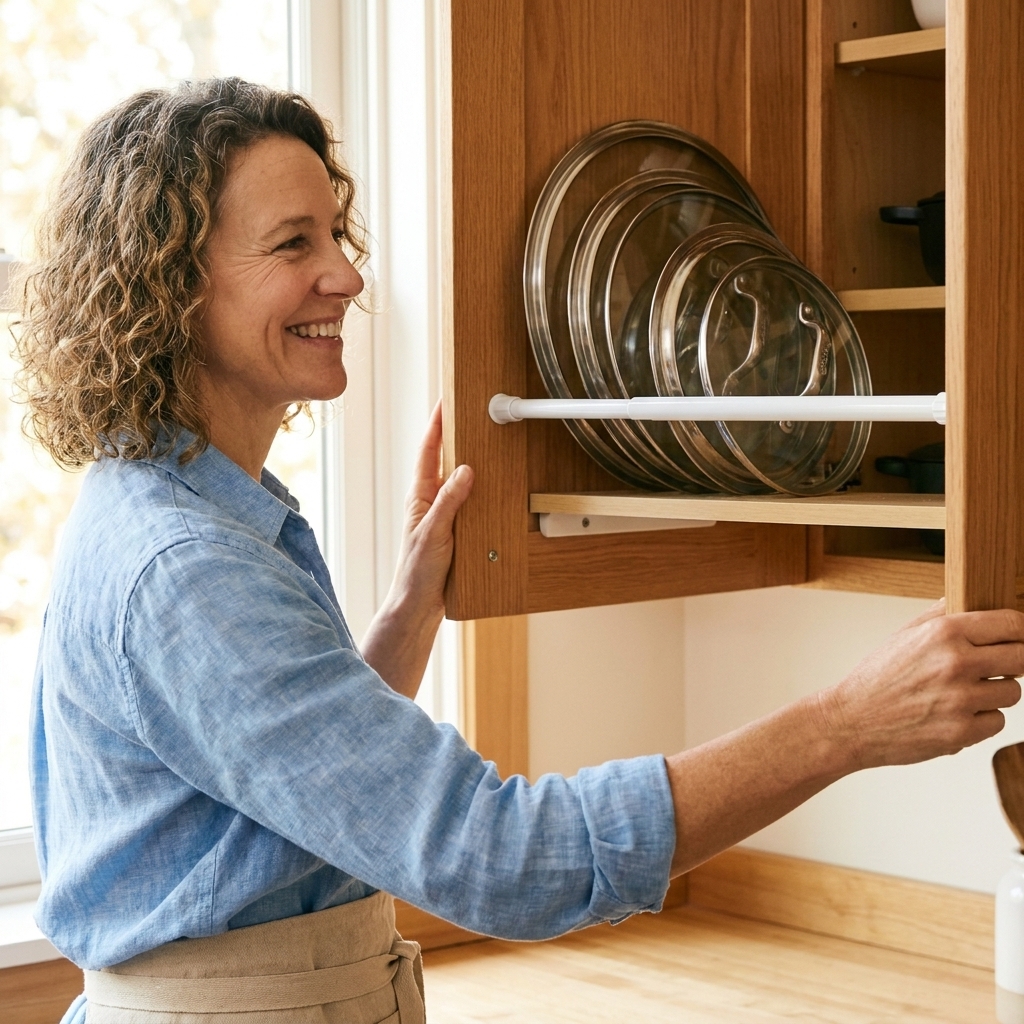
2) Add a lid corral
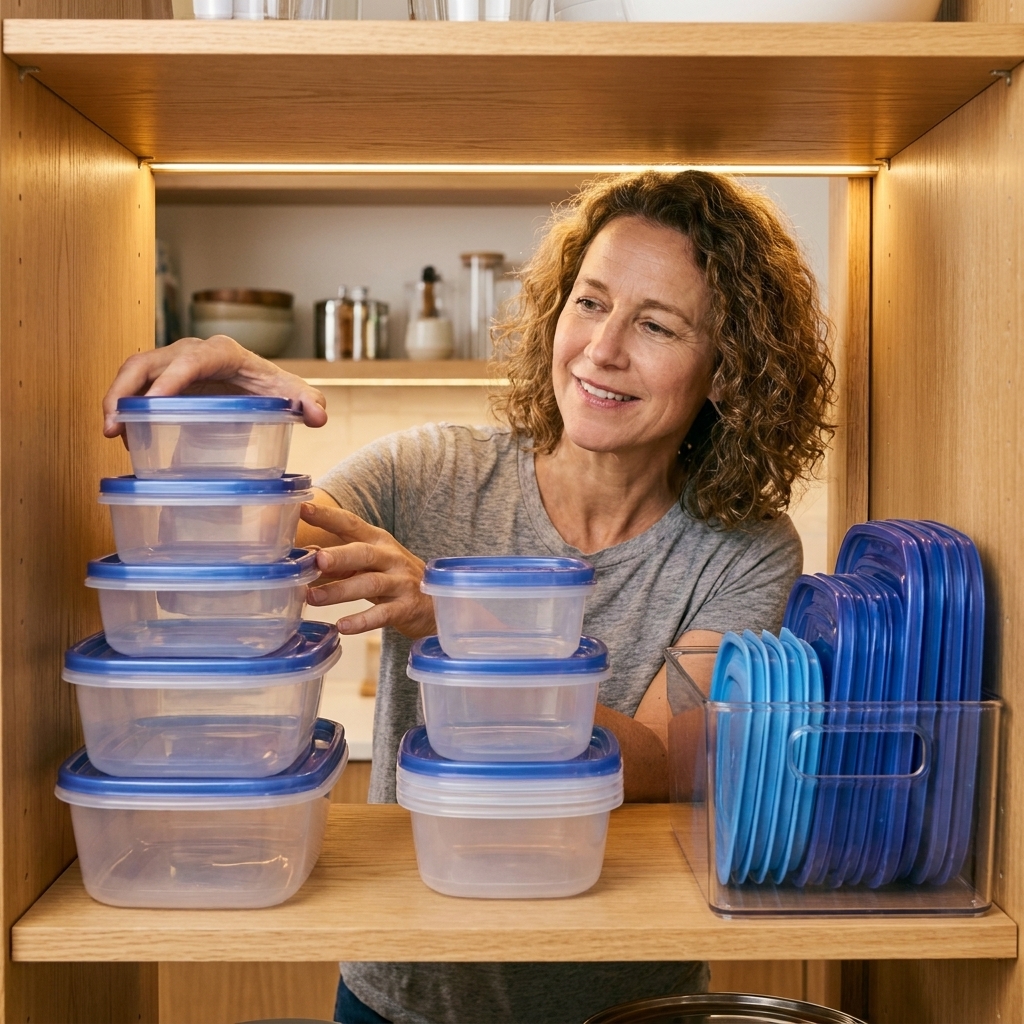
Pot lids and food container lids love to flop over like dominos. Add a tension rod a few inches above the shelf surface to create a simple barrier. Stand lids upright behind it and they stop sliding forward every time you open the door.
- Best for: pot lids, baking sheets, cutting boards, and big tray lids
- Bonus: Use two rods, one low and one higher, to keep tall cutting boards steady.
3) Make shelf dividers
If you have a cabinet where stacks constantly fall over (hello, plastic containers and casserole dishes), use tension rods to create lanes. The easiest setup is to install rods vertically between two solid surfaces, like the cabinet floor and the underside of a shelf, or between a shelf and the cabinet top, so the rod is braced top and bottom.
It is the cheapest way I know to stop the avalanche cabinet effect without buying custom dividers.
- Works well for: food storage containers, cutting boards, sheet pans, platters
- Tip: Make lanes wide enough for your biggest item, not your smallest.
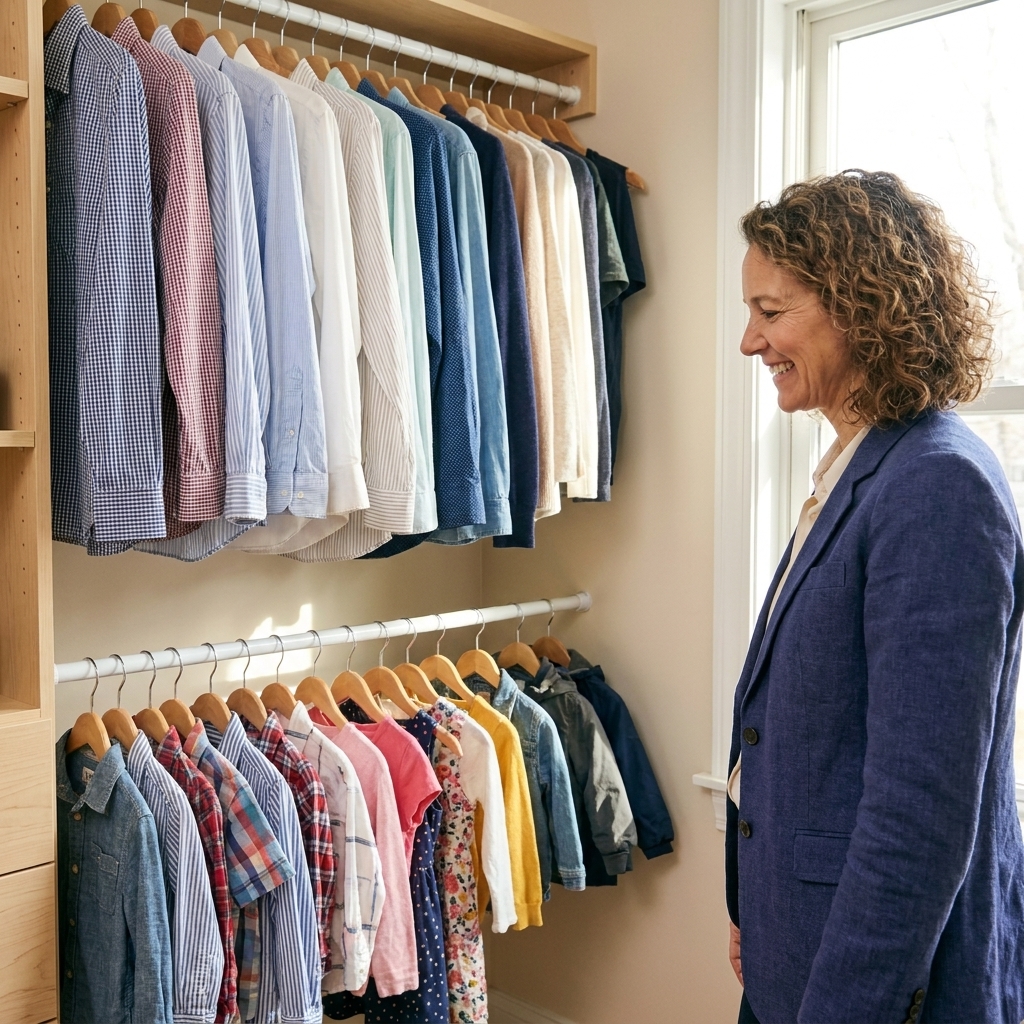
4) Add a second closet bar
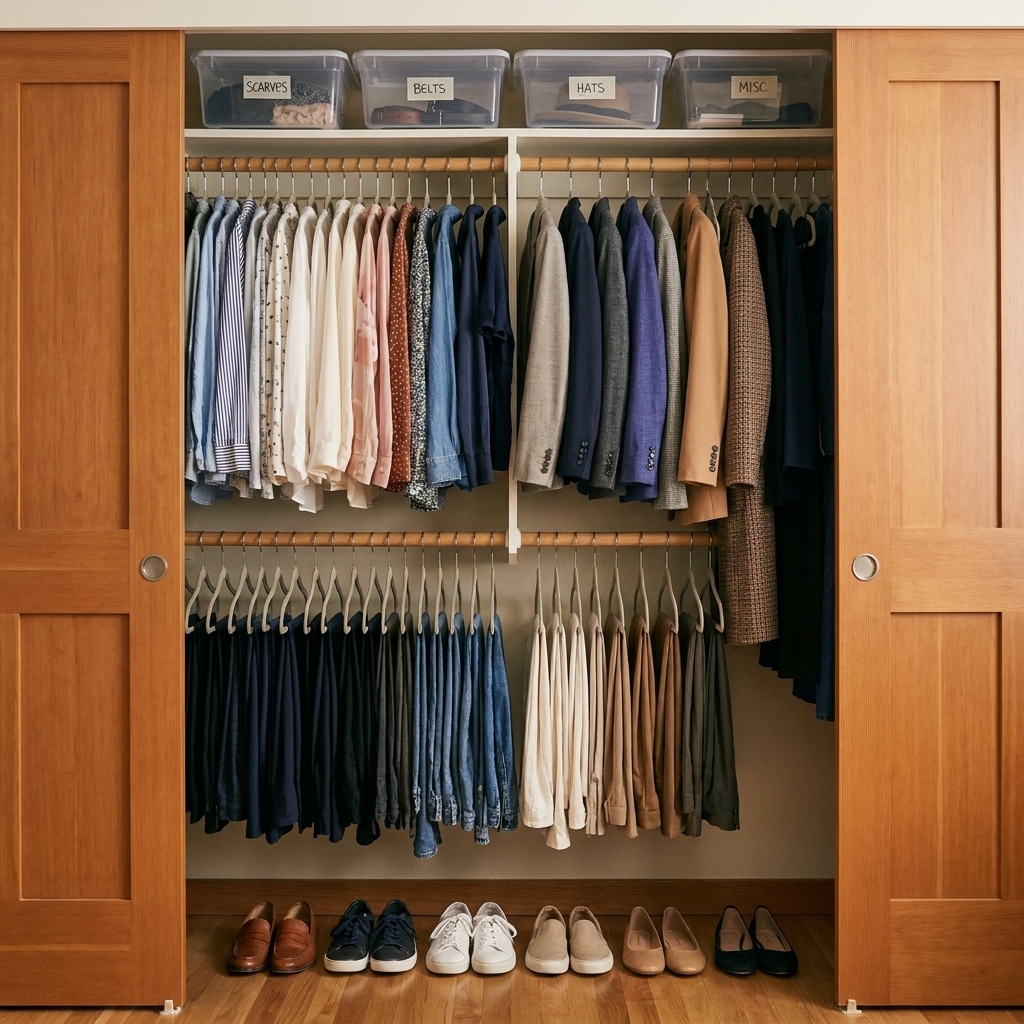
If your closet has wasted vertical space, a heavy-duty tension rod can act like a temporary second hanging bar. This is especially helpful for kids’ clothes, skirts, and folded-over pants.
Keep it realistic
- Check the rating: Not all rods can handle a full row of adult clothing. Use a rod made for closets and stay within its weight limit.
- Best for lighter loads: kids’ clothes, scarves, tanks, or a small capsule of everyday pieces
- Test first: Hang a few items and give it a gentle tug before you commit to a full section of hangers.
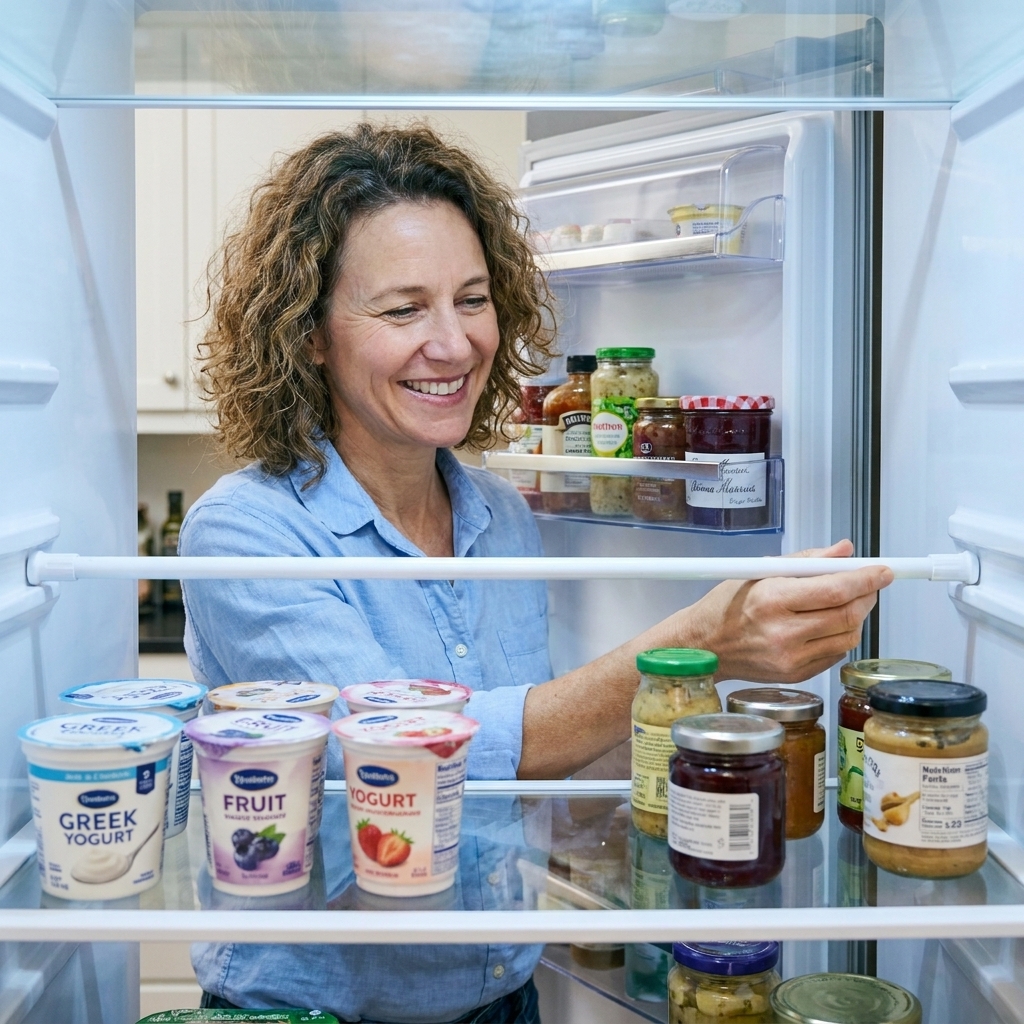
5) Add a fridge guard rail
Fridge shelves can get chaotic because everything scoots forward and blocks the door or falls out when you reach for something in the back. A small tension rod placed across the front of a shelf can act like a guard rail.
- Best for: yogurt cups, drink cans, small condiment jars
- Tip: Choose a slim rod so it does not steal usable shelf depth.
- Safety note: Make sure the rod is stable in the cold and does not block any vents or airflow paths. Give it a day and re-check that it has not shifted.
6) Make a wrap station
That narrow space above a cabinet shelf or beside the fridge can become a cling wrap and foil station. Install a rod and hang rolls using S-hooks or curtain rings, or thread the rod through the cardboard tube if the fit is right.
This is one of my favorite renter-friendly upgrades because it takes a messy drawer category and gives it a home that does not eat up prime storage space.
- Great for: foil, parchment paper, plastic wrap, reusable produce bags
- Tip: Keep scissors nearby with a hook or small caddy.
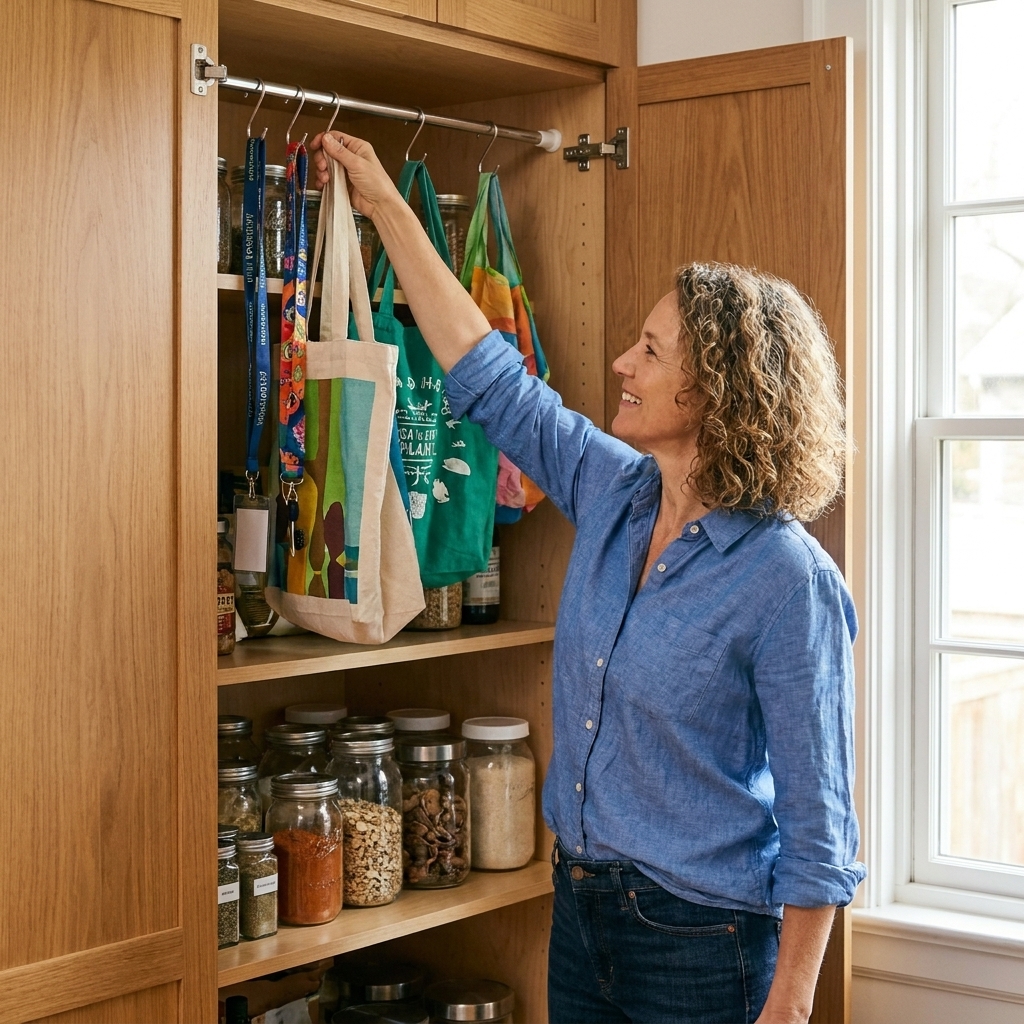
7) Make a hidden drop zone
If your entryway turns into a pile of keys, dog leashes, and sunglasses, look for a nearby cabinet or pantry and create a mini drop zone inside it. Install a tension rod and hang small items from hooks.
This is especially helpful if you are short on wall space or do not want to mount anything near the front door.
- Use for: keys, lanyards, reusable shopping bags, lint roller, small umbrellas
- Make it stick: Put it at eye level so you actually use it.
8) Corral linens on shelves
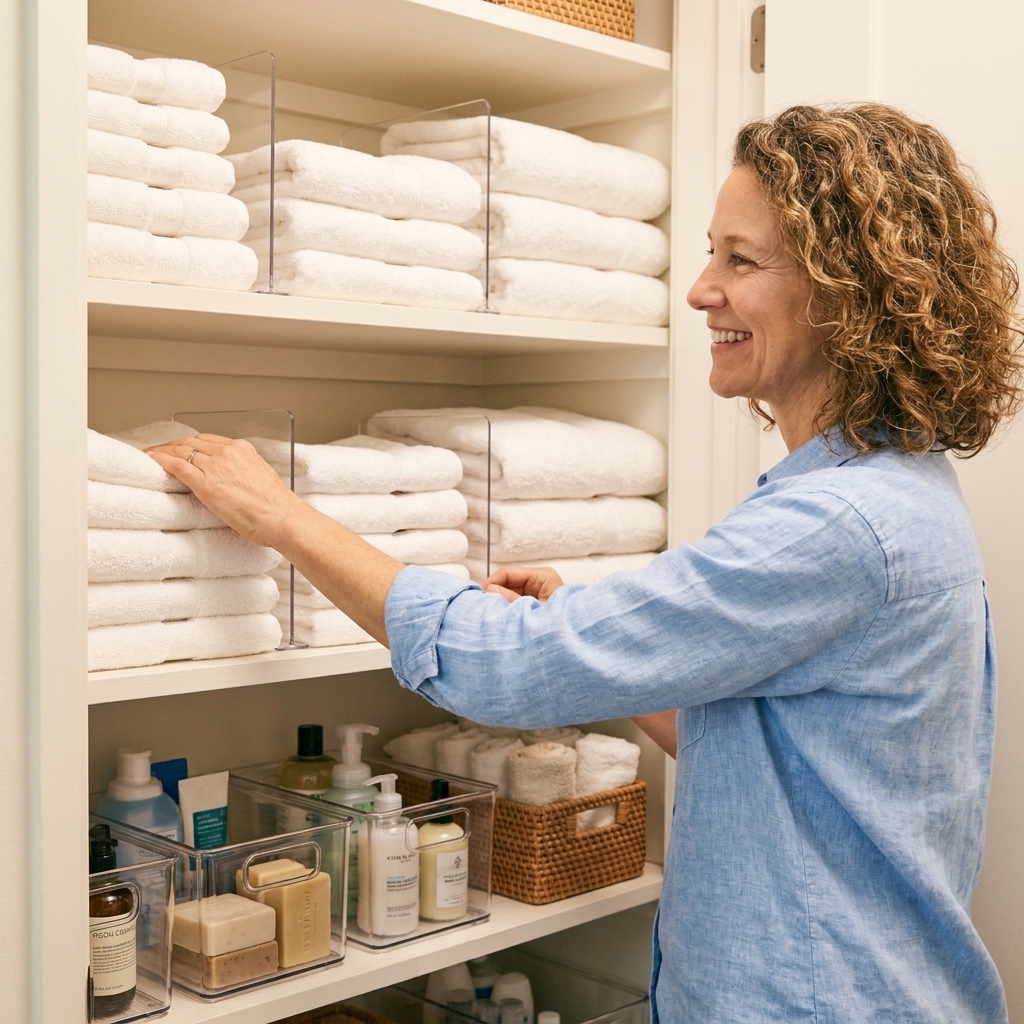
Open shelves look pretty until someone grabs a towel and the whole stack leans like it is about to faint. Add a tension rod across the front of an open shelf to keep folded towels and sheets from sliding forward.
- Perfect for: bathroom linen shelves, laundry room shelving, utility closets
- Tip: Install it about 1 to 2 inches from the shelf edge so towels stay contained but easy to pull.
9) Make a vertical file zone
Paper grocery bags, reusable tote bags, and even serving trays do better when stored upright. Use two tension rods installed parallel (one closer to the cabinet floor and one higher) to create a simple vertical slot system.
Think of it like a DIY file organizer, but adjustable and removable.
- Use for: reusable bags, gift bags, trays, cutting boards, placemats
- Tip: Put the tallest items at the back so shorter ones stay visible.
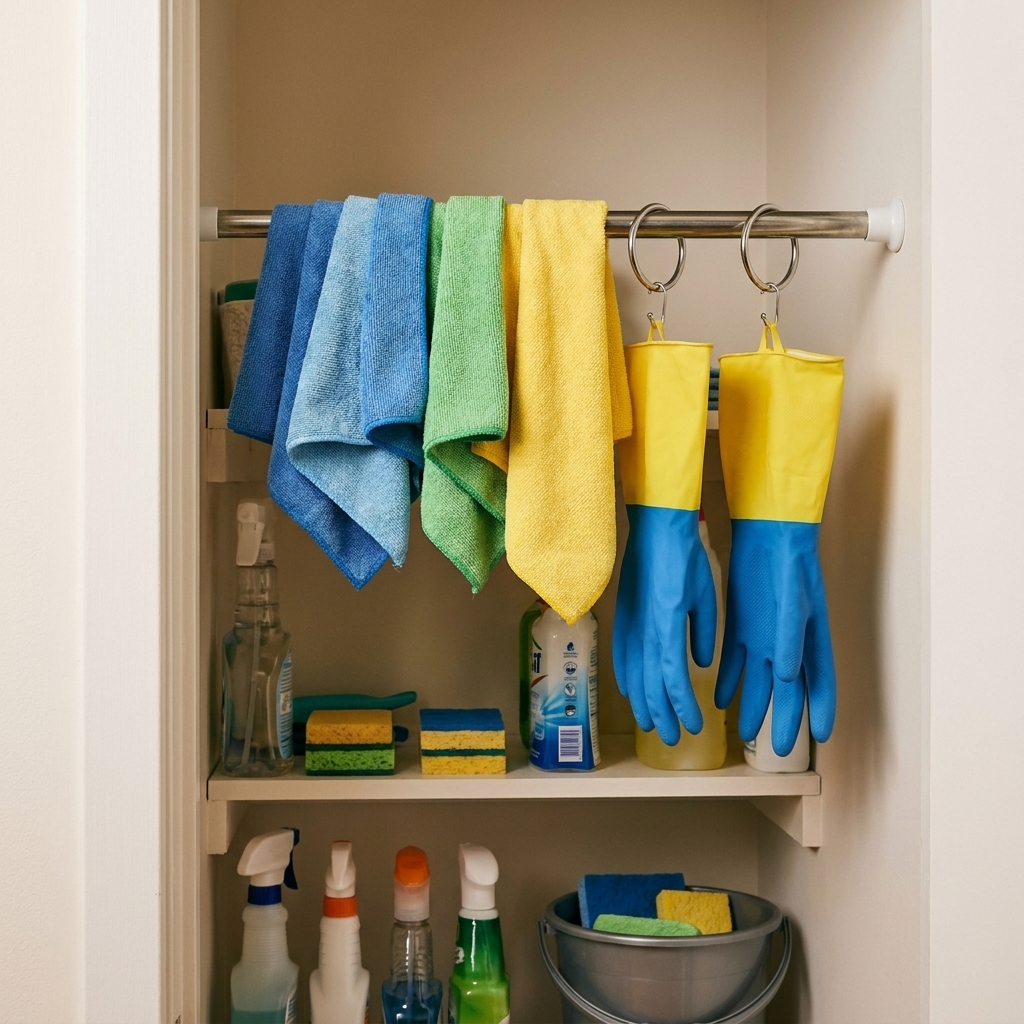
10) Add a drying bar
Wet microfiber cloths tossed into a basket get musty fast. Install a tension rod inside a laundry room cabinet, utility closet, or even under the sink and drape cloths over it to dry. Add a few curtain rings to hang rubber gloves by the cuffs.
Why this helps
- Cloths can last longer because they dry more fully between uses
- You cut down on that mystery smell in your cleaning bin
- Everything is ready for your next quick wipe-down
Quick troubleshooting
- Rod keeps slipping: Clean the contact points and tighten more than you think. If the surface is very slick, add a small square of grippy shelf liner under each end.
- Rod bows in the middle: It is overloaded or too long for the weight. Swap to a heavy-duty rod or shorten the span.
- Painted walls getting marked: Use rods with soft rubber ends and avoid overtightening. In closets, place ends on solid trim or inside sturdy frames when possible.
- Items snag when you grab them: Raise the rod slightly or move it forward so your hand has clearance.
- It just will not sit right: If the surfaces are uneven (warped cabinet walls, wavy tile, flimsy shelf liners), a tension rod might not be the right tool for that spot. Move it to a squarer, sturdier opening.
A simple weekend plan
If you want the biggest payoff with the least effort, start here:
- Do the under-sink spray bottle hanger.
- Add a lid corral in the cabinet that annoys you most.
- Pick one awkward nook and turn it into a wrap or bag station.
That is it. Three tension rods, three chaos zones improved. Not magazine-perfect, just calmer.